Acrylic vs Tile Shower: Cost, Durability, Maintenance & Design Compared
Compare acrylic vs tile showers on cost, durability, maintenance, and design to find the best option for your bathroom renovation in 2026.
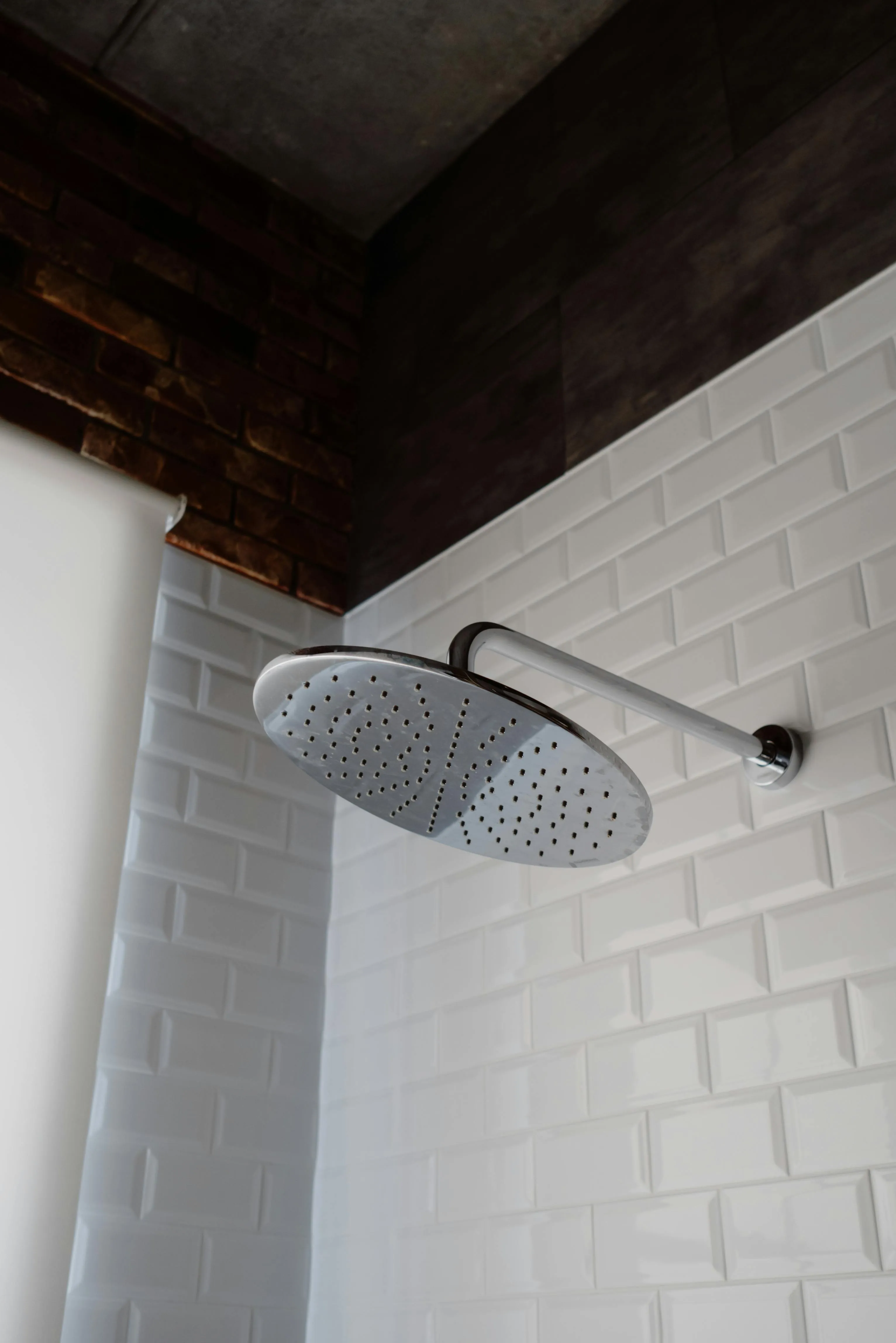
Acrylic vs Tile Shower: Cost, Durability, Maintenance, and Design Compared
When planning a bathroom renovation, one of the most common choices homeowners face is whether to install an acrylic shower or a tile shower. Both options are widely used in residential bathrooms and each has advantages and limitations.
The right choice often depends on priorities such as budget, maintenance expectations, installation time, and the level of customization desired. This guide compares the two options across the factors homeowners most often consider.
What Is an Acrylic Shower?
An acrylic shower typically uses prefabricated panels or a molded shower base made from acrylic or fiberglass-reinforced acrylic. These systems are manufactured in molds and installed as a unit or in several interlocking pieces.
Common features include:
- Smooth non-porous surface
- Pre-formed shower base or pan
- Wall panels designed to fit together
- Limited grout or seams
Because they are manufactured in controlled conditions, acrylic showers are usually designed to be waterproof and relatively simple to install.
What Is a Tile Shower?
A tile shower is built on site using several construction layers and finished with ceramic, porcelain, or natural stone tile.
A typical tile shower includes:
- Waterproofing membrane
- Cement board or backer board
- Mortar or thinset
- Tile installation
- Grout and sealing
Tile showers are often considered fully customizable because tile comes in a wide variety of sizes, textures, and patterns.
Cost Comparison
Cost differences between acrylic and tile showers are often one of the first factors homeowners consider.
Acrylic Showers
- Typically lower initial cost
- Prefabricated materials reduce labour time
- Installation is often faster
Because acrylic showers are molded and standardized, they tend to be more affordable than custom tile showers.
Tile Showers
- Usually higher material and labour costs
- Custom design increases installation time
- Waterproofing and tile setting require skilled labour
Tile showers generally cost more because they are built on site and require several specialized steps during construction.
Actual pricing varies depending on materials, tile selection, shower size, and labour.
Installation Time
Installation timelines can differ significantly.
Acrylic Shower Installation
- Often installed in 1-2 days
- Prefabricated pieces reduce construction time
- Less drying or curing time required
Because the components are pre-made, acrylic showers can be installed much faster than tile systems.
Tile Shower Installation
- Often requires several days to over a week
- Multiple stages including waterproofing, testing, tiling, and grouting
- Drying time between stages
The additional steps required for waterproofing and tile installation extend the timeline.
Maintenance Requirements
Maintenance can be an important long-term consideration.
Acrylic Showers
- Smooth surface with few seams
- No grout lines to clean
- Typically cleaned with standard bathroom cleaners
Because acrylic surfaces are non-porous and seamless, they generally require less ongoing maintenance.
Tile Showers
- Grout lines require periodic cleaning
- Some grout types require sealing
- Mold or mildew can develop in grout if not maintained
Tile showers may require more attention to keep grout clean and sealed.
Durability and Lifespan
Durability depends on material quality and installation.
Acrylic Showers
Acrylic showers are generally durable for everyday use but may:
- Scratch over time
- Crack if subjected to heavy impact
- Warp under extreme heat
Acrylic systems are known to last roughly 10-20 years depending on quality and maintenance.
Tile Showers
Tile showers can last much longer if properly installed and maintained.
However, durability depends heavily on:
- Proper waterproofing
- Correct installation
- Grout maintenance
Failures in the waterproofing layer can lead to leaks that require significant repairs.
Waterproofing Considerations
Waterproofing is critical for any shower system.
Acrylic Systems
Because acrylic panels are typically seamless or interlocking, there are fewer joints where water could penetrate.
Tile Systems
The tile itself is not waterproof. Water resistance relies on:
- Waterproof membranes behind the tile
- Properly sealed grout joints
- Correct drainage slope
A poorly constructed tile shower can lead to water damage behind the walls or floor.
Design and Customization
Design flexibility is another major difference.
Acrylic Showers
Acrylic showers usually come in:
- Standard shapes and sizes
- Limited textures or patterns
- Predefined panel designs
Although many modern acrylic systems replicate tile patterns, customization options are still limited compared to tile.
Tile Showers
Tile offers almost unlimited design possibilities:
- Various tile sizes
- Patterns such as herringbone or stacked layouts
- Accent strips or niches
- Custom colors and textures
Tile showers allow homeowners to create unique designs tailored to the bathroom layout.
Cleaning and Daily Use
Ease of cleaning is often cited as a practical advantage of acrylic.
Acrylic
- Wipes clean easily
- No grout lines
- Less potential for staining
Tile
- Grout lines require more attention
- Mineral buildup may accumulate in grout
- Cleaning may require specialized products
Structural Feel
Some homeowners notice differences underfoot.
Acrylic Shower Bases
Lower-quality acrylic bases can sometimes flex slightly if they are not reinforced properly.
Tile Shower Floors
Tile floors are typically installed over rigid bases and tend to feel more solid.
Situations Where Acrylic Showers Are Common
Acrylic showers are often chosen when:
- A faster installation is needed
- Lower upfront cost is important
- Maintenance simplicity is a priority
- Standard shower sizes work for the layout
Situations Where Tile Showers Are Common
Tile showers are often chosen when:
- Custom layouts are desired
- Unique design features are important
- Long-term durability is a priority
- The bathroom design requires non-standard dimensions
Summary
Both acrylic showers and tile showers serve the same purpose but differ in how they are constructed and maintained.
Acrylic showers are typically faster to install, lower maintenance, and often more affordable upfront.
Tile showers provide greater design flexibility and can last longer when built and maintained properly.
Choosing between them usually depends on factors such as budget, maintenance preferences, installation timeline, and desired aesthetic.
Understanding these trade-offs can help homeowners evaluate which option aligns best with their renovation goals.


