Bathroom Standard Measurements in Surrey & White Rock (What Homeowners Should Know)
Learn standard bathroom measurements for Surrey and White Rock renovations, including toilet, shower, vanity, and door clearances under the BC Building Code.

Bathroom Standard Measurements in Surrey & White Rock (What Homeowners Should Know)
If you’re planning a bathroom renovation, you’ve probably wondered: “How much space do I actually need for everything to fit properly?” It’s a great question, because spacing and measurements can make or break how a bathroom feels and functions.
⏱ Estimated Reading Time: 6–7 minutes
Why Bathroom Measurements Matter
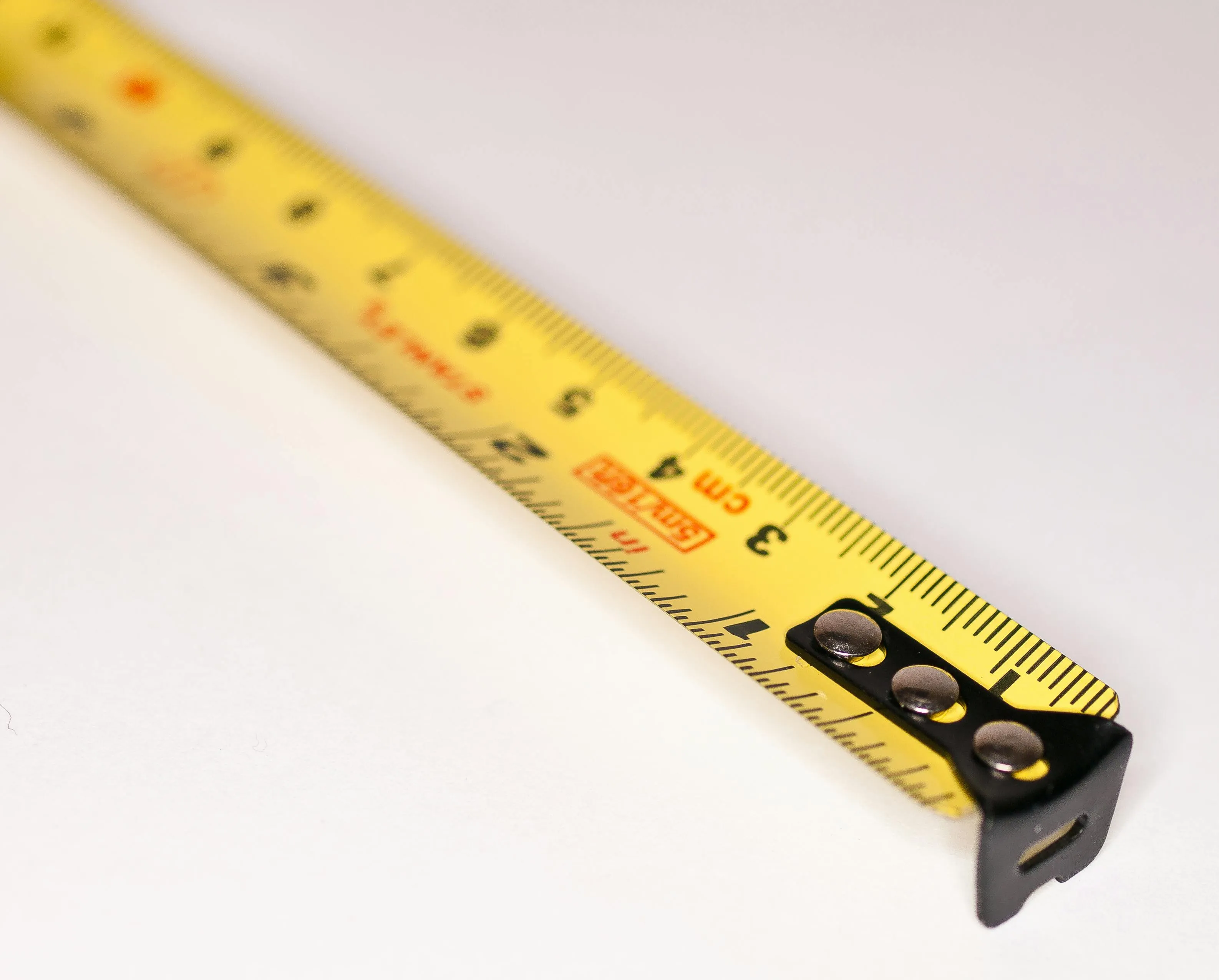
Bathroom measurements are not random. They are based on:
- Safety standards
- Building codes
- Ergonomics (how people move and use the space)
In areas like Surrey and White Rock, bathroom renovations must generally follow the British Columbia Building Code (BCBC), which sets minimum requirements for clearances, fixture spacing, and safety.
1. Toilet (Water Closet) Clearances
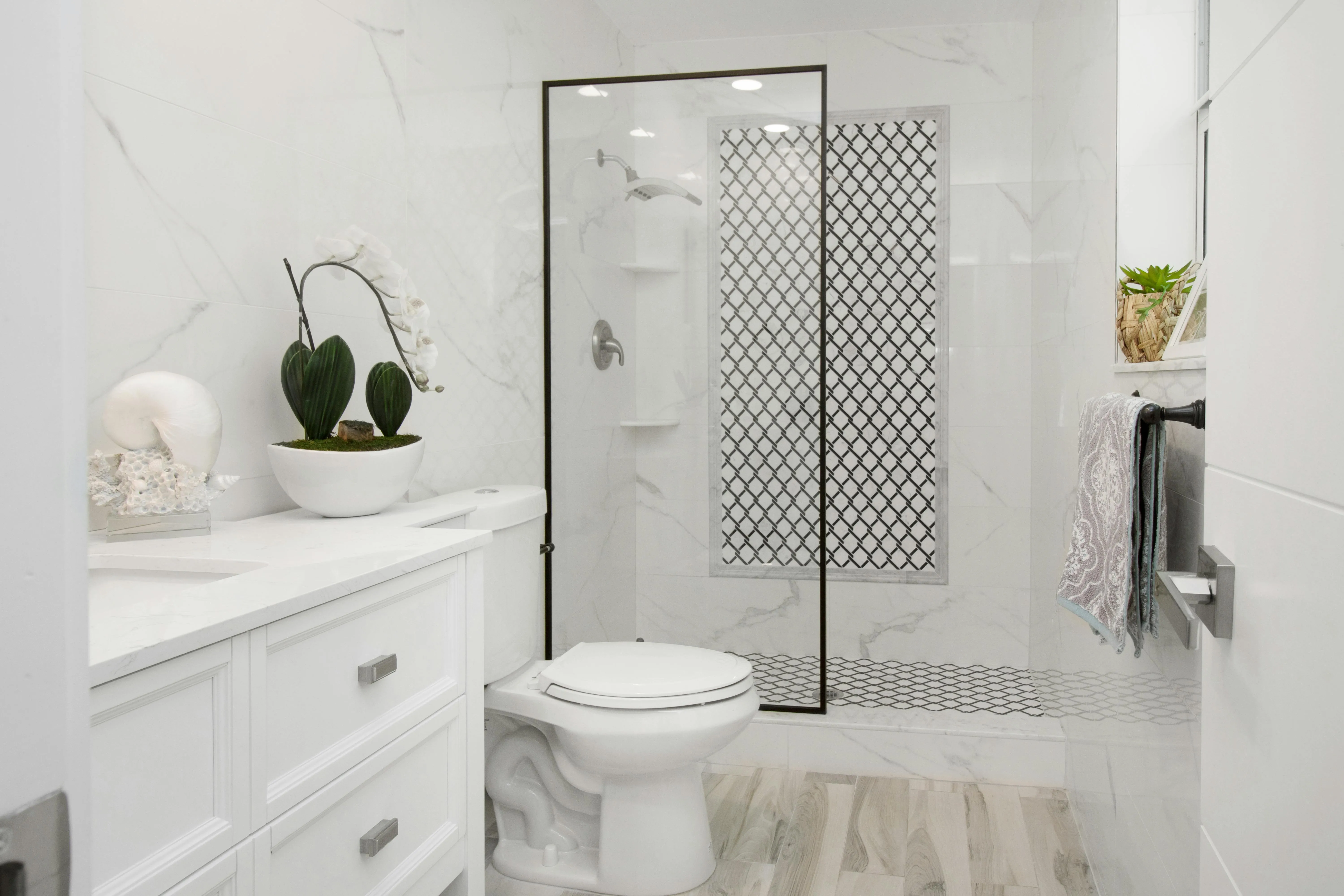
Toilets require specific spacing for comfort and usability.
Standard Measurements:
- Minimum width: 30 inches (760 mm) total space
- Minimum clearance in front: 24 inches (610 mm)
- Recommended clearance in front: 30 inches (760 mm)
Side Clearance:
- At least 15 inches (380 mm) from the center of the toilet to each side wall or fixture
Why it matters:
Tight spacing can make the bathroom feel cramped and may not meet code requirements.
2. Shower Size and Clearances
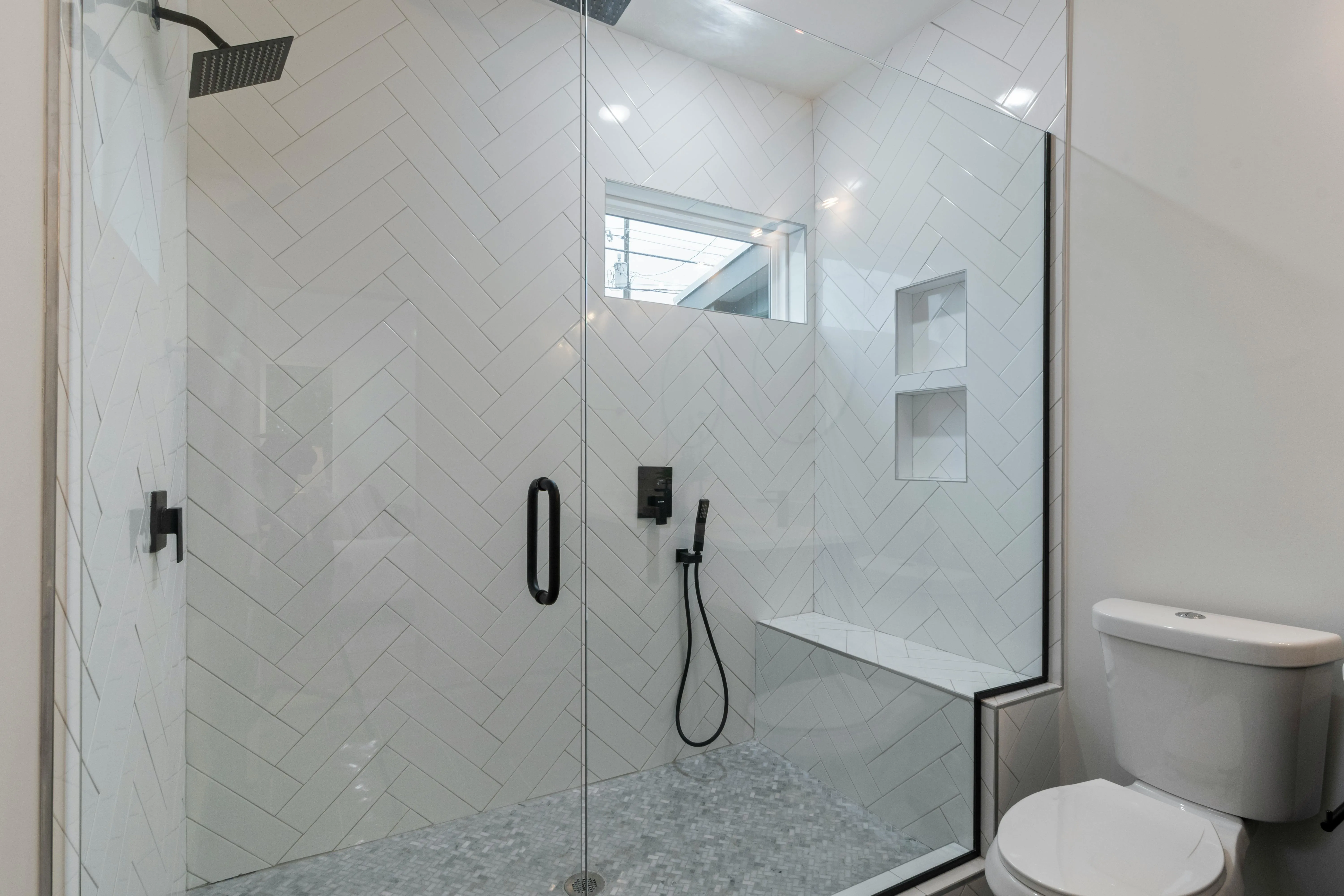
Shower size depends on the layout, but there are minimum requirements.
Standard Shower Sizes:
- Minimum: 30” x 30” (760 x 760 mm)
- Common comfortable size: 36” x 36” or larger
Entry Clearance:
- At least 24 inches (610 mm) of clear space in front of the shower
Why it matters:
Smaller showers may meet minimum code but can feel restrictive in daily use.
3. Bathtub Dimensions
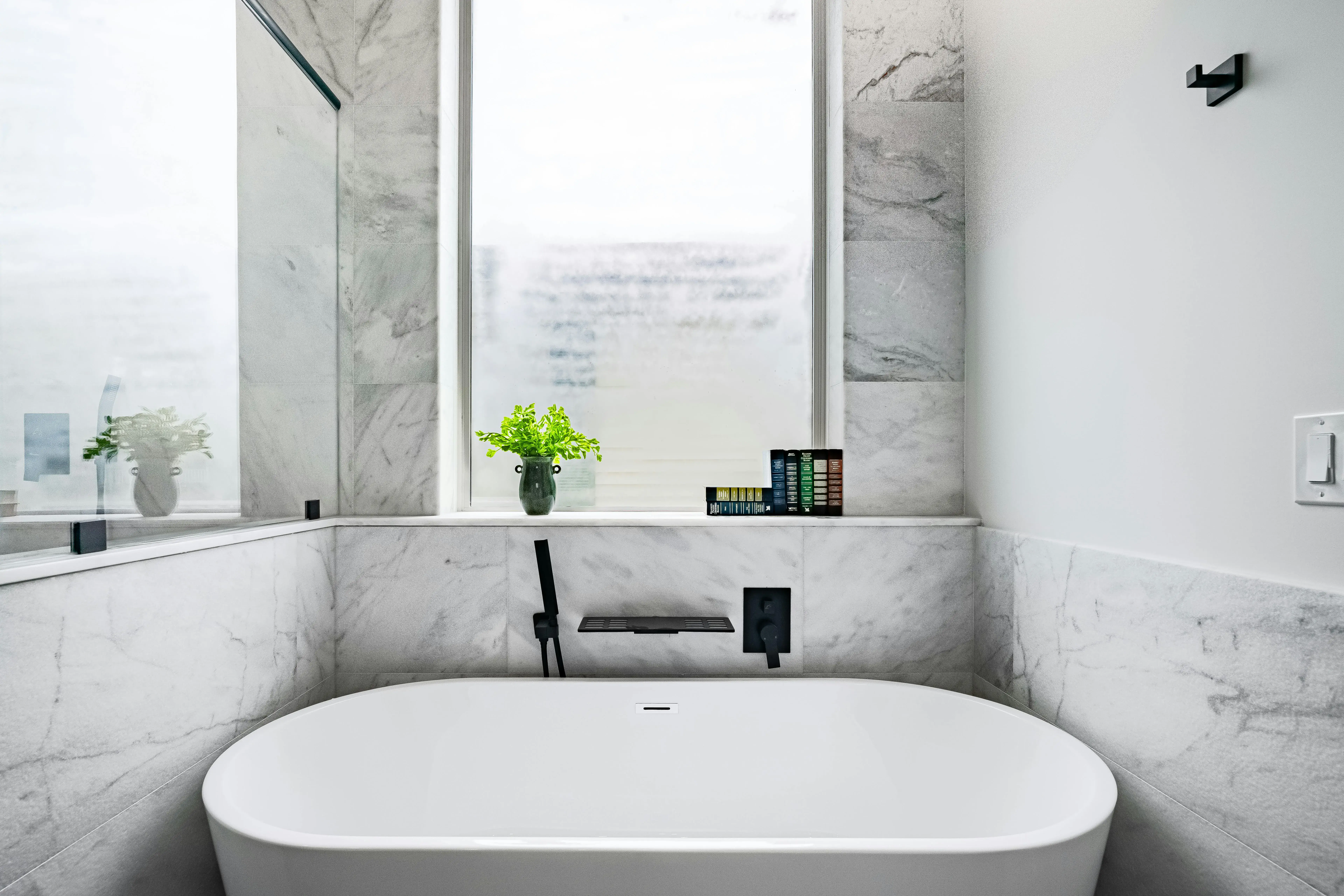
Bathtubs vary depending on type and space.
Common Sizes:
- Standard tub: 60” long x 30 - 32” wide
- Soaker tubs: Larger and deeper
Clearance:
- Minimum 21–24 inches in front of the tub
Why it matters:
Proper spacing allows safe entry and exit.
4. Vanity and Sink Spacing
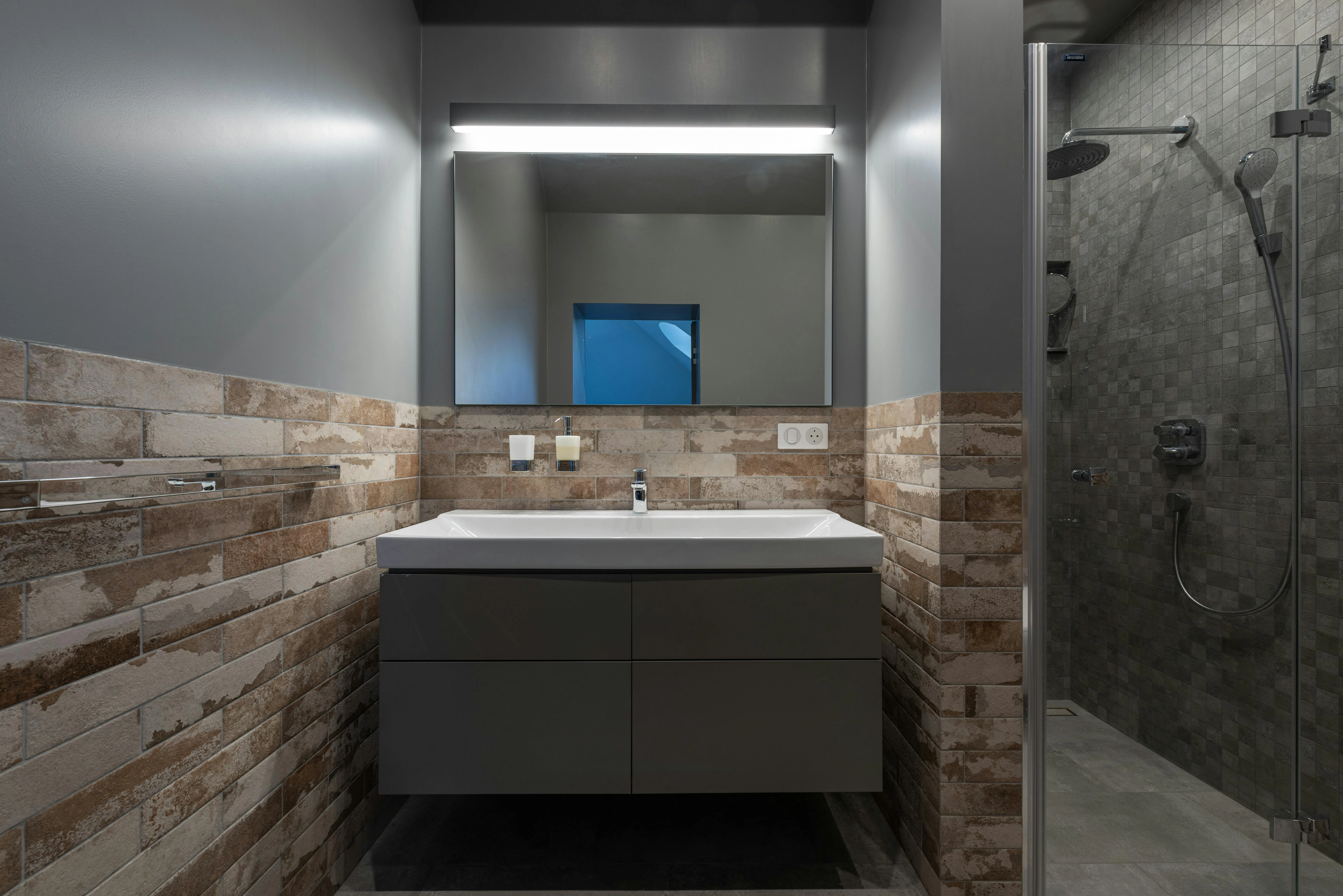
Vanities are a key part of bathroom functionality.
Standard Vanity Sizes:
- Width: 24” to 60”+
- Depth: 20” to 22”
- Height: 32” to 36”
Clearance in Front:
- Minimum 21 inches (530 mm)
- Recommended 30 inches (760 mm)
Why it matters:
More space improves comfort, especially in shared bathrooms.
5. Door and Walkway Clearance

Doors and walkways must allow safe movement.
Standard Measurements:
- Minimum walkway: 24 inches (610 mm)
- Recommended walkway: 30–36 inches (760–915 mm)
Door Considerations:
- Doors should not block fixtures
- Sliding or pocket doors are sometimes used in tight spaces
Why it matters:
Poor planning can make the bathroom difficult to use.
6. Ceiling Height Requirements
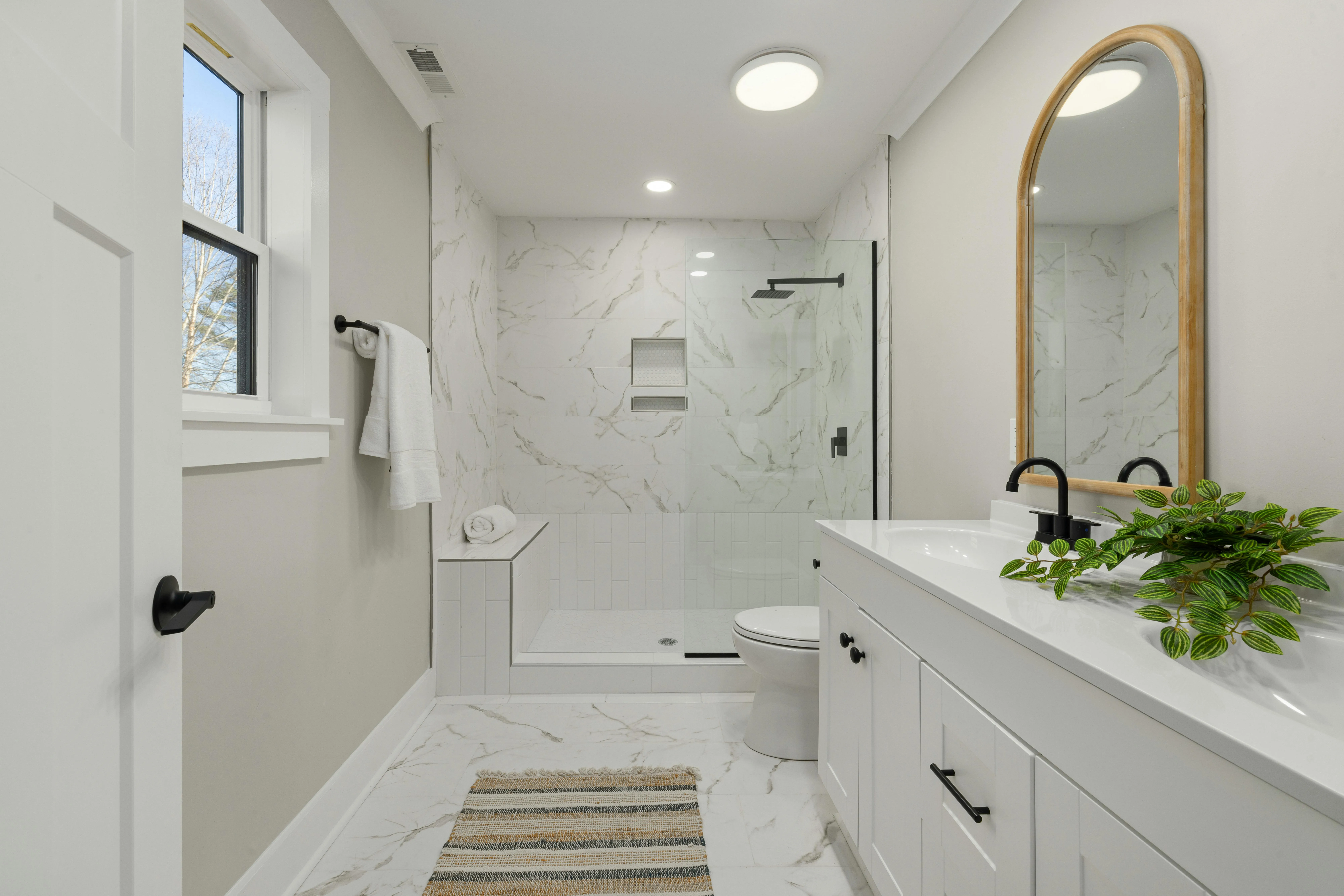
Ceiling height is regulated for comfort and safety.
Typical Requirements:
- Minimum 6 feet 8 inches (2030 mm) in most bathroom areas
Why it matters:
Low ceilings can create issues with compliance and usability.
7. Electrical Safety Clearances
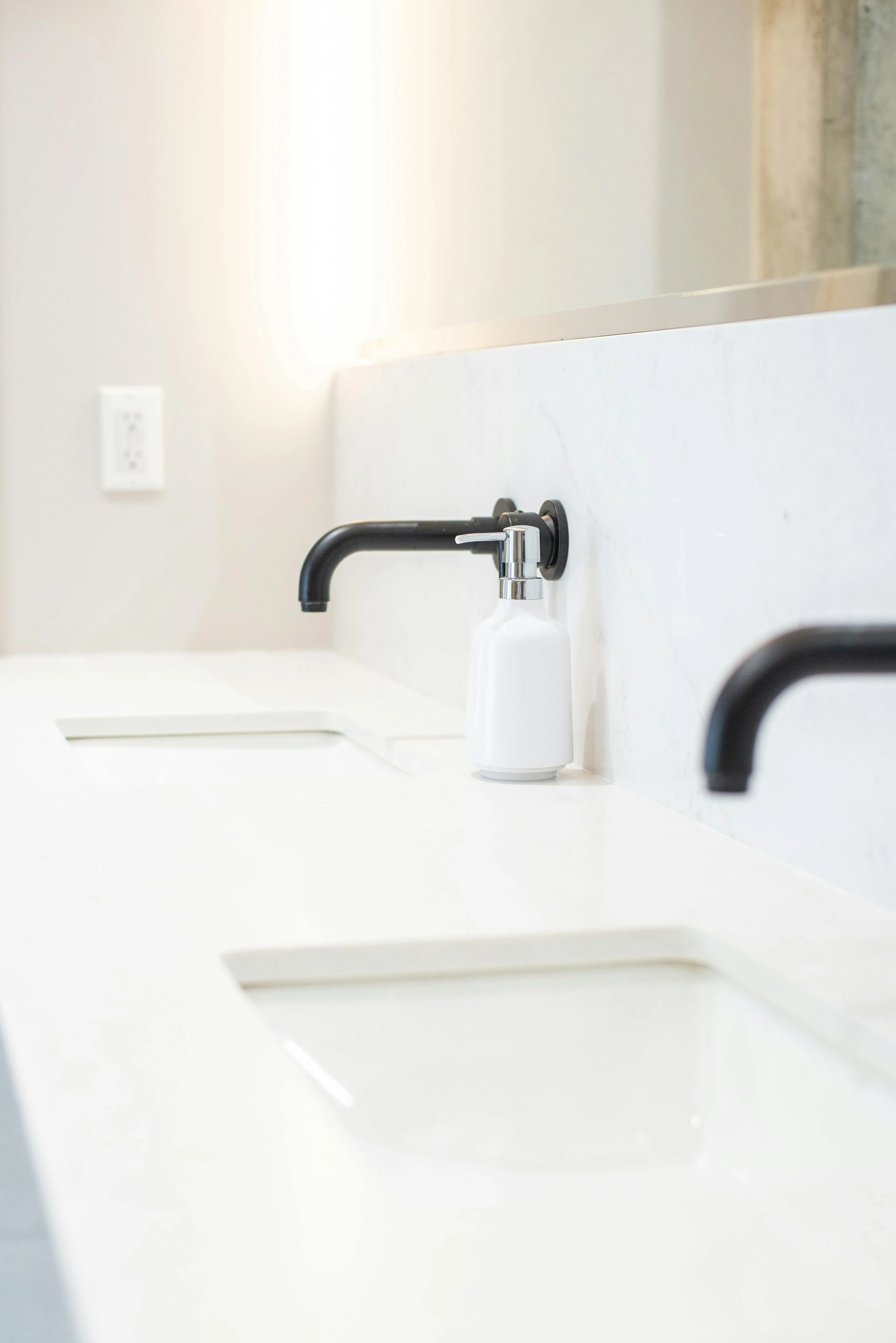
Bathrooms have strict electrical requirements due to water exposure.
Common Requirements:
- GFCI-protected outlets near sinks
- Proper spacing from water sources
- Lighting rated for damp or wet locations
Why it matters:
These requirements help reduce the risk of electrical hazards.
8. Ventilation Requirements
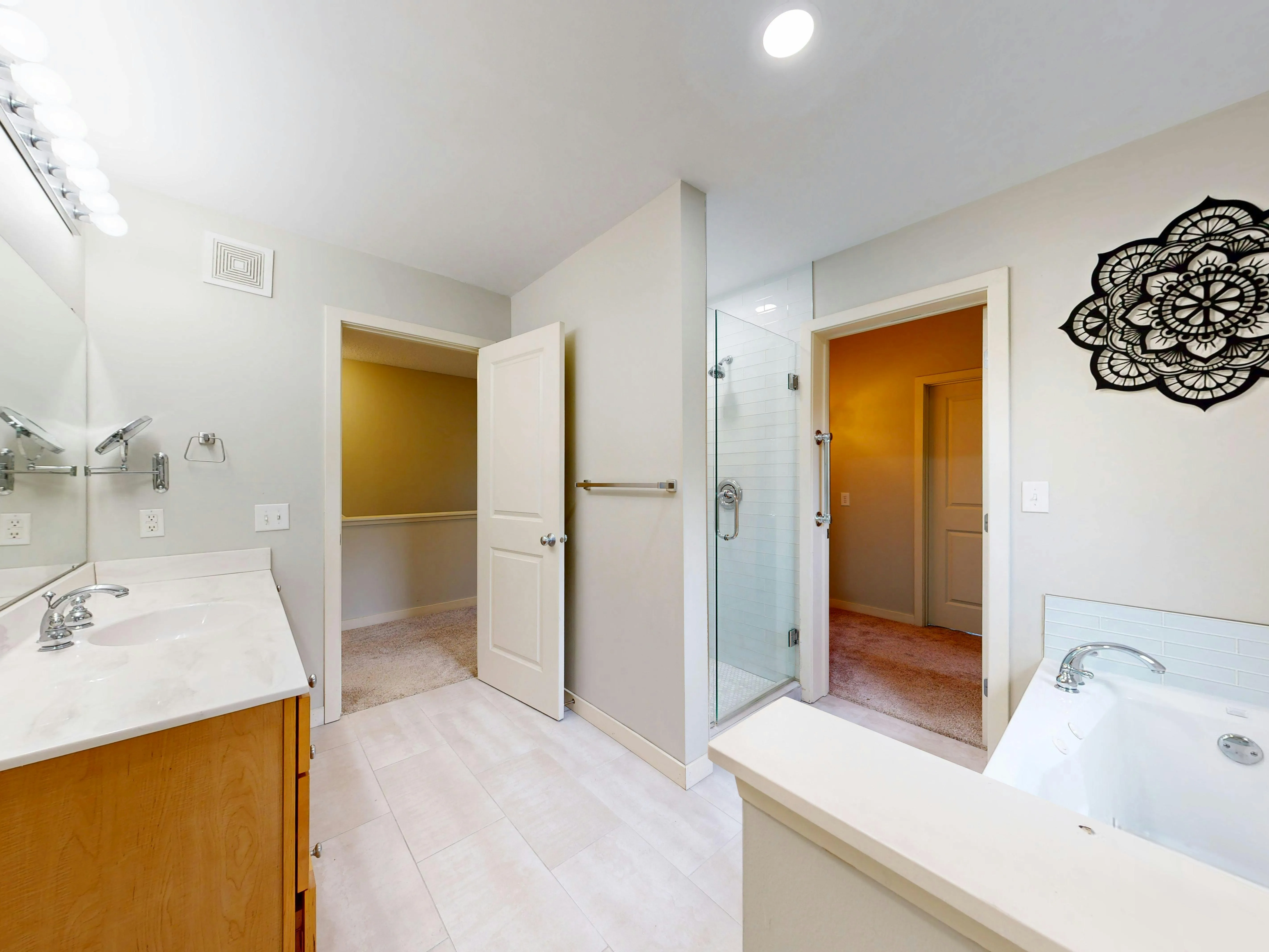
Bathrooms must have proper ventilation to control moisture.
Requirements:
- Exhaust fan vented to the outside
- Minimum airflow requirements depending on size
Why it matters:
Proper ventilation helps prevent mold and moisture damage.
Important Note About Local Requirements
While general standards are widely used, local municipalities like Surrey and White Rock may have additional requirements or interpretations of the BC Building Code.
It’s always important to confirm with:
- Local building departments
- Permit requirements
- Inspection guidelines
Minimum vs Recommended Measurements
There is an important difference between:
Minimum (Code-Compliant)
- Meets basic legal requirements
- May feel tight or less comfortable
Recommended (Best Practice)
- Improves comfort and usability
- Often preferred in modern renovations
Final Thoughts
Bathroom measurements play a major role in how a space functions and whether it meets building requirements in Surrey and White Rock.
Key takeaways:
- Toilets, showers, and vanities all require minimum clearances
- Proper spacing improves comfort and usability
- Building codes set minimum standards, but larger spacing is often recommended
- Electrical and ventilation requirements are critical for safety
Understanding these standard measurements can help homeowners plan more functional, comfortable, and compliant bathroom renovations.


