Bathtub vs Walk-In Shower: Which Is Better for Your Bathroom Renovation?
Bathtub or walk-in shower? Compare costs, space, accessibility, and resale value to make the best choice for your bathroom renovation in 2026.
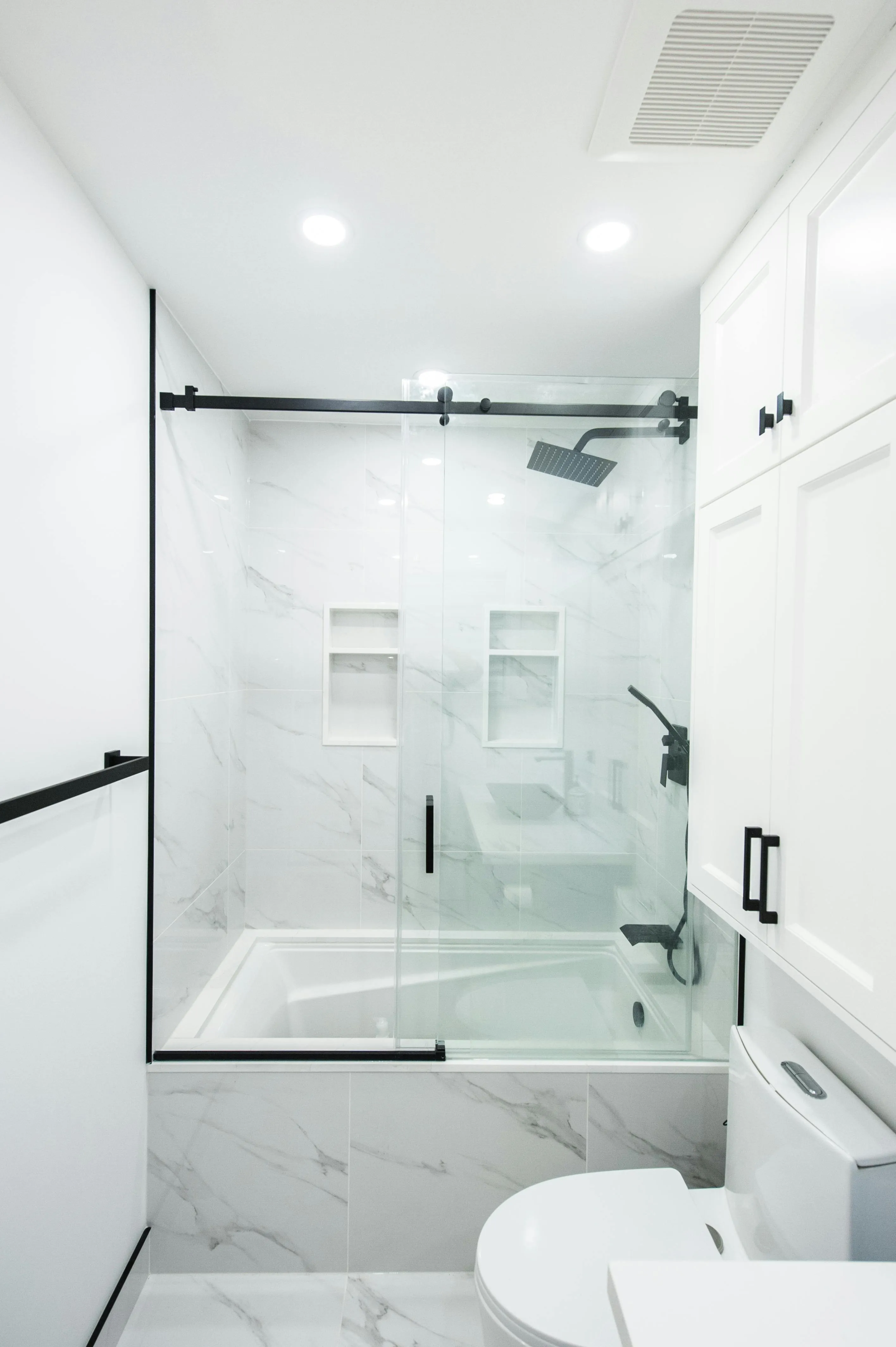
Bathtub vs Walk-In Shower: Which Is the Better Choice for a Bathroom Renovation?
When planning a bathroom renovation, one of the most common design decisions homeowners face is whether to install a bathtub or a walk-in shower. Both options have advantages and drawbacks, and the best choice often depends on how the bathroom is used, the available space, and the long-term goals for the home.
Understanding the differences between these two options can help homeowners make a more informed decision before starting a renovation.
What Is a Bathtub?
A bathtub is a fixture designed for bathing by filling the tub with water and soaking. Bathtubs are commonly installed either as a built-in tub (often surrounded by tile or an acrylic enclosure) or as a freestanding tub.
Common types of bathtubs include:
- Alcove bathtubs
- Drop-in bathtubs
- Freestanding tubs
- Soaker tubs
- Tub and shower combinations
Bathtubs have been a standard fixture in residential bathrooms for decades and remain common in family homes.
What Is a Walk-In Shower?
A walk-in shower is a shower space that typically does not include a bathtub. Instead, it features a shower base or tiled floor with walls designed to contain water.
Walk-in showers can include:
- Acrylic or fiberglass shower bases
- Fully tiled shower systems
- Frameless glass enclosures
- Curbless or barrier-free entries
Many modern bathroom renovations incorporate walk-in showers because they can create a more open and contemporary layout.
Space Considerations
One of the first factors homeowners consider is how much space is available.
Bathtubs
Bathtubs typically require a minimum length of around 60 inches (5 feet) for a standard alcove installation. Freestanding tubs often require even more surrounding space for visual balance and access.
In smaller bathrooms, the bathtub may take up a significant portion of the room.
Walk-In Showers
Walk-in showers can often be more flexible in layout. They can be designed to fit smaller footprints while still providing comfortable standing room.
For example:
- Standard shower sizes often start around 32” x 32”
- Larger showers may range from 36” x 48” or more
Because showers do not require the same length as tubs, they can sometimes free up floor space.
Cost Comparison
Costs for bathtubs and walk-in showers vary widely depending on materials, installation complexity, and customization.
Bathtub Installation
A basic bathtub installation often includes:
- Tub fixture
- Surround or tile walls
- Plumbing connections
Built-in tubs can sometimes be less expensive than custom showers, especially when using prefabricated tub/shower systems.
However, freestanding tubs and custom tile surrounds can significantly increase costs.
Walk-In Shower Installation
Walk-in shower costs depend largely on construction methods.
Examples include:
- Prefabricated shower units (generally more affordable)
- Tiled showers with waterproofing systems (typically more expensive)
- Curbless showers with waterproofing systems (on the higher-end)
Custom tiled showers may include additional features such as benches, niches, and glass enclosures, which can increase overall cost.
Accessibility and Ease of Use
Accessibility is another important consideration.
Bathtubs
Bathtubs require stepping over the tub wall to enter. For some people, particularly older adults or individuals with mobility concerns, this step can be more difficult.
Walk-In Showers
Walk-in showers are often easier to enter and exit. Some designs include:
- Low curbs
- Curbless entries
- Wider door openings
Because of this, walk-in showers are often considered more accessible and adaptable for aging-in-place bathroom designs.
Cleaning and Maintenance
Maintenance requirements differ between bathtubs and showers.
Bathtubs
Cleaning a bathtub generally involves maintaining the tub surface and the surrounding walls or enclosure.
Tub surfaces such as acrylic or porcelain are usually straightforward to clean, although grout lines in tiled surrounds may require periodic maintenance.
Walk-In Showers
Maintenance depends on the materials used.
For example:
- Prefabricated shower units typically have fewer grout lines and can be easier to clean.
- Tiled showers require grout maintenance and periodic sealing, depending on the materials used.
Glass shower enclosures may also require regular cleaning to prevent water spotting.
Bathroom Function and Household Needs
The decision between a bathtub and a walk-in shower is often influenced by how the bathroom will be used.
Households with Young Children
Bathtubs are often considered more practical for families with small children, as bathing children is generally easier in a tub.
Adult-Focused Bathrooms
In many households where bathing is less common, walk-in showers may be used more frequently than tubs.
Guest Bathrooms
Guest bathrooms may include either option depending on the home’s overall layout and available space.
Impact on Home Resale
Homebuyers often have varying preferences when it comes to tubs and showers.
In many markets:
- Having at least one bathtub in the home is considered desirable, particularly for families with young children.
- Walk-in showers are frequently seen as modern upgrades in primary bathrooms.
Because preferences vary among buyers, some homeowners choose to include both features if space allows.
Design Flexibility
Walk-in showers tend to offer more customization options in terms of layout, tile design, and glass enclosures.
Common design features include:
- Frameless glass walls
- Built-in benches
- Shower niches
- Large-format tiles
- Linear drains
Bathtubs also offer design flexibility, particularly with freestanding models that can become a focal point in larger bathrooms.
Situations Where a Bathtub May Make Sense
A bathtub may be a practical option when:
- The home currently does not have any tubs
- The bathroom is used by families with children
- A tub/shower combination fits the available space
- Soaking baths are a regular preference
Situations Where a Walk-In Shower May Make Sense
A walk-in shower may be a practical option when:
- Accessibility is a priority
- Space is limited
- The bathroom is primarily used by adults
- A modern, open layout is desired
Summary
Both bathtubs and walk-in showers serve different purposes in a bathroom renovation.
Bathtubs have long been a traditional fixture and can be useful for families and soaking baths, while walk-in showers often offer easier access, flexible layouts, and contemporary design options.
The right choice often depends on:
- The size of the bathroom
- Household needs
- Accessibility considerations
- Design preferences
- Long-term plans for the home
By understanding the differences between these options, homeowners can better evaluate which fixture aligns with how their bathroom will be used.


