Built-In Appliances vs Freestanding Appliances: Cost, Flexibility, and Design Compared
Compare built-in vs freestanding appliances on cost, design, flexibility, and maintenance to make the best choice for your kitchen renovation in 2026.
Built-In Appliances vs Freestanding Appliances: Cost, Flexibility, and Design Compared
When planning a kitchen renovation, one important decision is whether to choose built-in appliances or freestanding appliances. Both options are commonly used in homes, but they differ in how they look, how they are installed, and how they function over time.
Understanding these differences can help homeowners decide which option may work best for their kitchen and lifestyle.
What Are Built-In Appliances?
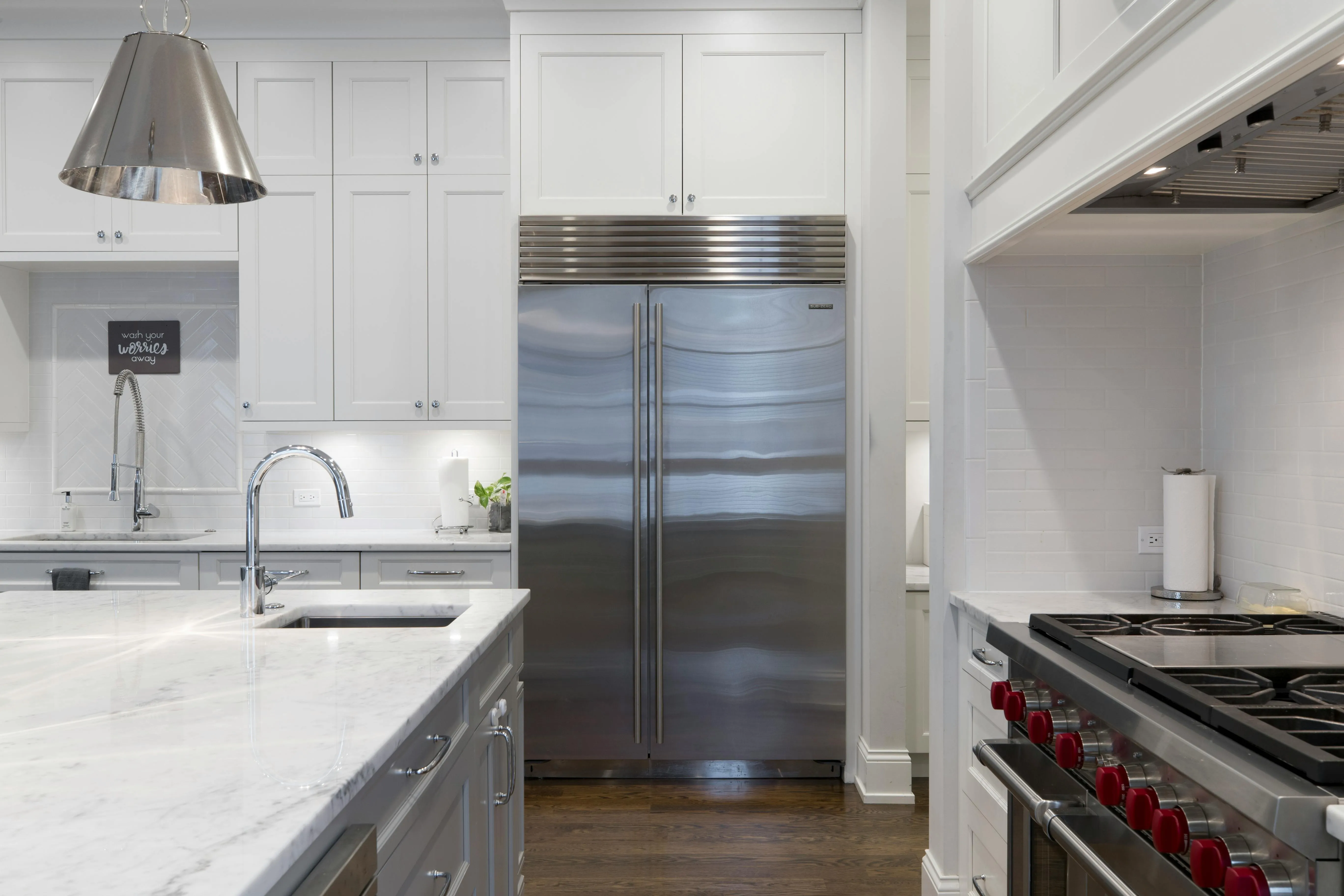
Built-in (also called integrated) appliances are designed to fit inside kitchen cabinets or walls. They sit flush with surrounding cabinetry and are often part of the overall kitchen design.
Examples include:
- Wall ovens
- Built-in refrigerators
- Panel-ready dishwashers
- Cooktops installed into countertops
These appliances are planned as part of the kitchen layout from the beginning.
Built-in appliances are designed to create a clean, seamless look because they blend in with the cabinets.
What Are Freestanding Appliances?
Freestanding appliances are stand-alone units that are finished on all sides and can be placed anywhere in the kitchen.
Examples include:
- Standard refrigerators
- Freestanding stoves or ranges
- Portable dishwashers
- Microwaves
These appliances do not need to be built into cabinets and can be moved or replaced more easily.
Cost Comparison
Cost is often one of the biggest differences between these two options.
Built-In Appliances
- Typically more expensive upfront
- Additional costs for cabinetry and installation
- Often considered a premium option
Built-in appliances usually cost more because they require custom fitting and professional installation.
Freestanding Appliances
- Usually more budget-friendly
- No custom cabinetry required
- Easier and cheaper to install
Freestanding appliances are generally more affordable because they are mass-produced and easier to install.
Design and Appearance
One of the biggest differences is how the kitchen looks.
Built-In Appliances
- Sit flush with cabinets
- Create a smooth, continuous look
- Often used in modern or high-end kitchens
Built-in appliances are often chosen for a clean, streamlined appearance.
Freestanding Appliances
- Visible in the kitchen
- Can stand out as a design feature
- Available in many styles and colors
Freestanding appliances can act as focal points but may not blend into the cabinetry as smoothly.
Flexibility and Layout
Flexibility is another key difference.
Built-In Appliances
- Installed in a fixed location
- Difficult to move once installed
- Must fit exact dimensions
Built-in appliances are less flexible because they are built into the kitchen structure.
Freestanding Appliances
- Can be moved or replaced easily
- Work in many different layouts
- Easier to upgrade over time
Freestanding appliances offer more flexibility for future changes or repairs.
Installation and Planning
Built-In Appliances
- Require detailed planning before installation
- Must match cabinet sizes and layout
- Often installed during a full renovation
Built-in appliances need to be planned early because they are part of the overall kitchen design.
Freestanding Appliances
- Simple installation
- Can be added to existing kitchens
- Do not require major planning
Freestanding appliances are easier to install because they do not depend on cabinetry.
Maintenance and Repairs
Built-In Appliances
- May be harder to access
- Repairs can require removing cabinetry
- Replacement must match exact size
Servicing built-in appliances can take more effort because they are enclosed within cabinets.
Freestanding Appliances
- Easier to access and repair
- Simple to replace with a new unit
- No cabinet removal needed
Freestanding appliances are generally easier to maintain and repair.
Storage and Capacity
There can also be differences in storage space.
Built-In Appliances
- Often designed to fit specific dimensions
- May require more width for similar capacity
Freestanding Appliances
- Often deeper and offer more storage space
- Available in a wide range of sizes
For example, freestanding refrigerators are often deeper and can hold more food in the same width.
Features and Technology
Both types of appliances can offer modern features, but there are some differences.
Built-In Appliances
- Often include advanced or premium features
- Designed for high-end kitchens
Freestanding Appliances
- Focus on core functionality
- Still available with modern features
Many built-in appliances include advanced options like smart controls or specialty cooking modes, especially in higher-end models.
Situations Where Built-In Appliances May Make Sense
Built-in appliances are often chosen when:
- A seamless, modern design is important
- The kitchen is being fully renovated
- Custom layout and placement are desired
- Long-term design is the priority
They are commonly used in kitchens where appearance and layout are carefully planned.
Situations Where Freestanding Appliances May Make Sense
Freestanding appliances are often chosen when:
- Budget is a major factor
- Flexibility is important
- The kitchen may change in the future
- Easy installation and replacement are preferred
They are commonly used in both new and existing kitchens.
Summary
Built-in and freestanding appliances both serve the same purpose but are designed differently.
- Built-in appliances focus on design, integration, and a seamless look
- Freestanding appliances focus on flexibility, affordability, and ease of use
The best choice often depends on:
- Budget
- Kitchen layout
- Design goals
- Long-term plans for the home
Understanding these differences can help homeowners decide which option may fit their needs and kitchen design.


