Curbless vs Walk-In Shower | Surrey & White Rock Guide
Curbless or walk-in shower? Learn the real differences in accessibility, cost, waterproofing, and aesthetics to choose the right option for your BC bathroom.
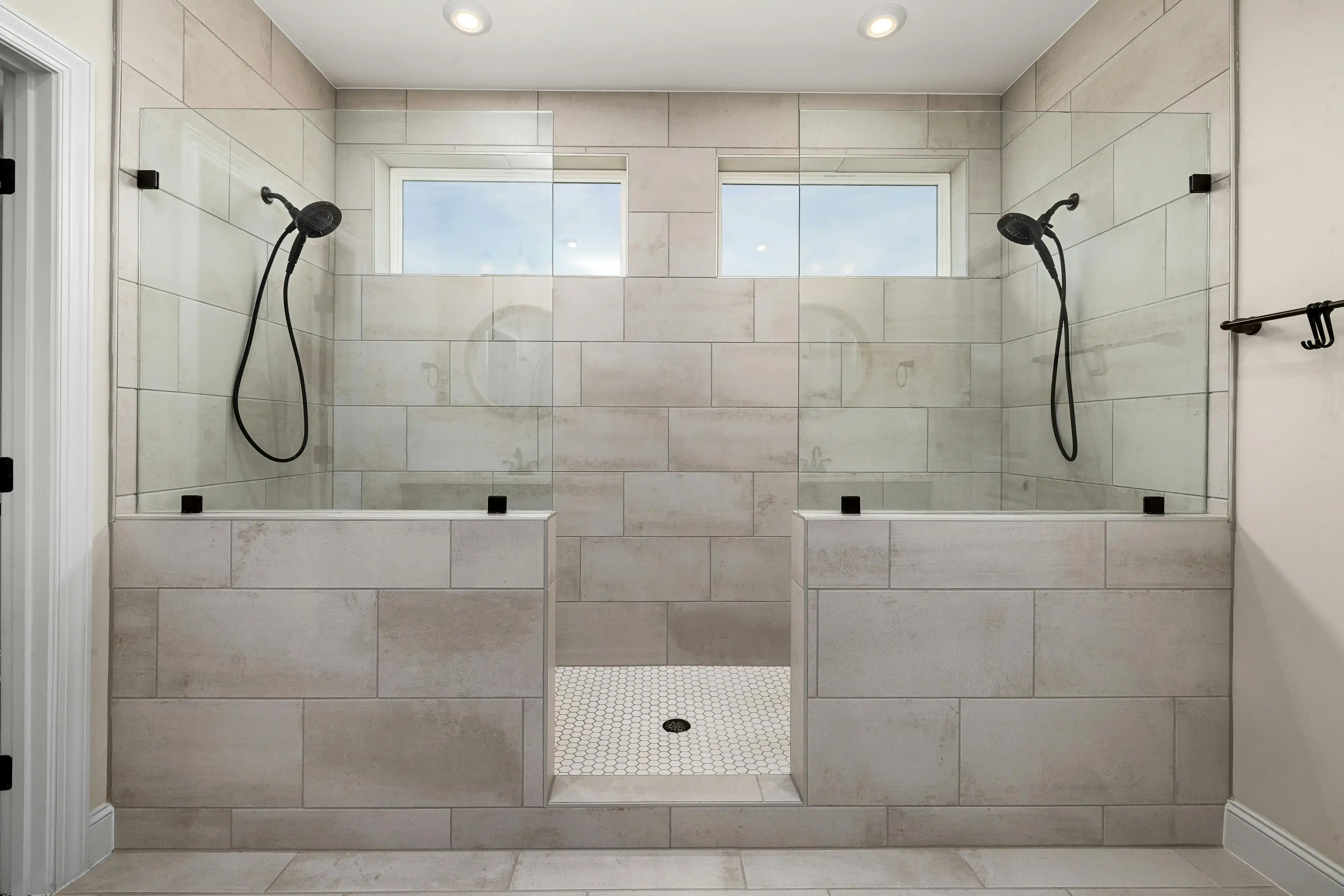
Curbless Shower vs. Walk-In Shower - Which Is Better for Your Surrey or White Rock Home?
Curbless or walk-in shower; What's the real difference and which is right for your Surrey or White Rock bathroom renovation? Here's the honest comparison.
If you've started planning a bathroom renovation in Surrey or White Rock, you've probably used the terms "curbless shower" and "walk-in shower" interchangeably - most people do. But they actually describe two different things, and understanding the distinction can save you from some frustrating surprises during the planning process.
This post clears up the confusion, walks through the real differences between the two options, and helps you think through which one makes the most sense for your home, your budget, and your household.
⏱ Estimated Reading Time: 9–10 minutes
First, Let's Clear Up the Terminology
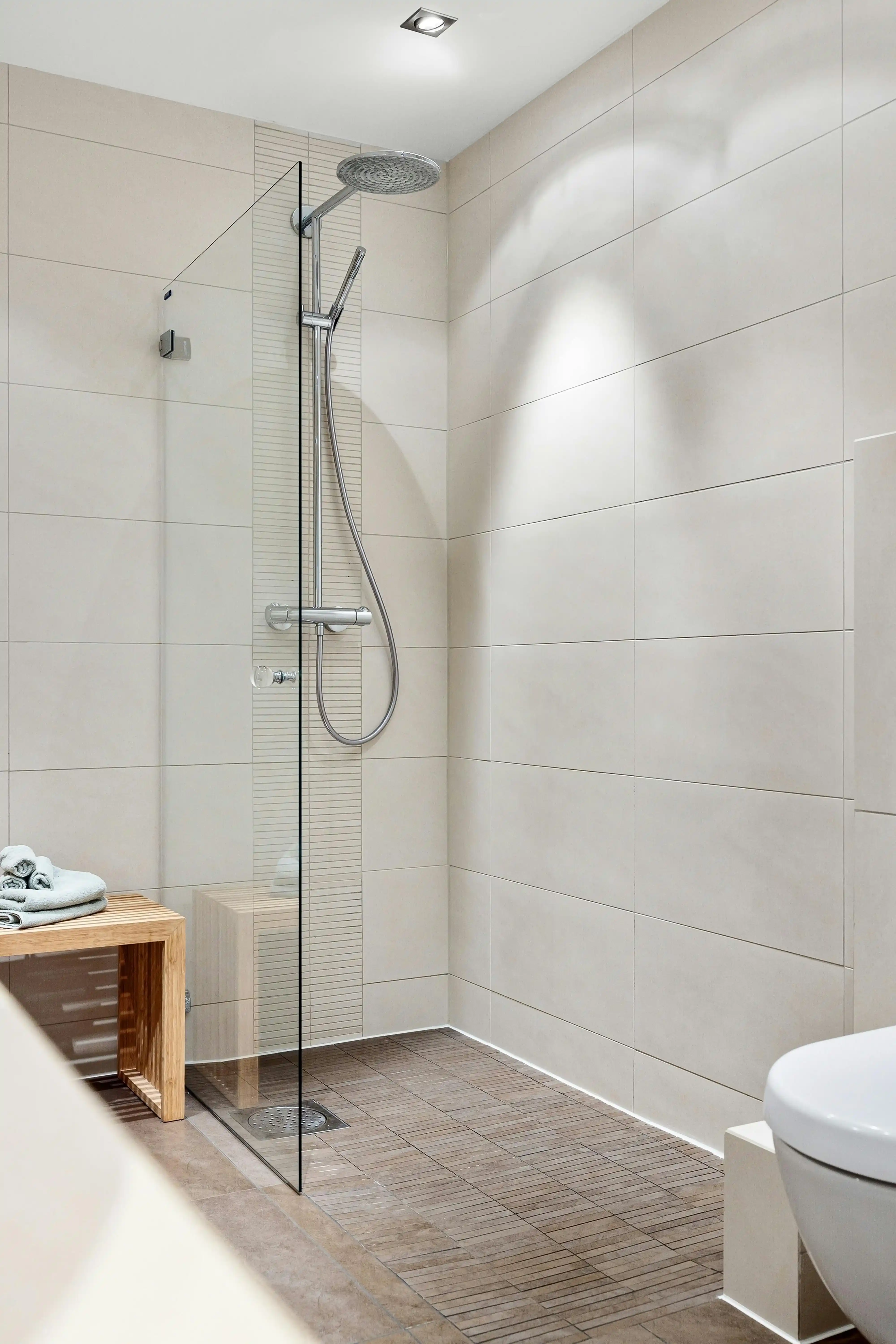
A walk-in shower is a broad term for any shower you step into without opening a swinging bath door - so named because you simply walk in. Walk-in showers can have a curb or be curbless. The term describes the entry style and the openness of the design, not the specific threshold height.
A curbless shower is a specific type of walk-in shower where the floor is completely level with the rest of the bathroom - no step, no lip, no raised threshold of any kind. It's also called a barrier-free shower or zero-entry shower.
So while all curbless showers are walk-in showers, not all walk-in showers are curbless. The difference is whether there's a raised curb at the entry (typically between two to three inches) or whether the floor flows completely uninterrupted from the bathroom into the shower zone.
In practice, when Surrey and White Rock homeowners say they want a "walk-in shower," they often mean they want an open, modern shower without a traditional hinged door and enclosed tub surround. What they may or may not mean is a fully curbless design - and that distinction matters for planning, cost, and installation.
The Walk-In Shower With a Low Curb - The Middle Ground
Before diving into a direct comparison, it's worth acknowledging the option that sits between a traditional high-curb shower and a fully curbless design: the low-threshold walk-in shower.
A low threshold (typically just two to three inches above the bathroom floor) offers most of the accessibility benefit of a curbless design with significantly less subfloor modification. It's enough of a barrier to provide water containment reassurance, especially in smaller shower footprints, while being easy enough to step over that it doesn't present a meaningful accessibility challenge for most people.
For bathrooms where a full curbless installation is structurally complicated (older homes, upper-floor bathrooms, or renovations where the subfloor can't easily be modified) a low-threshold walk-in shower is often the most practical compromise.
How They Compare: A Practical Breakdown
Accessibility
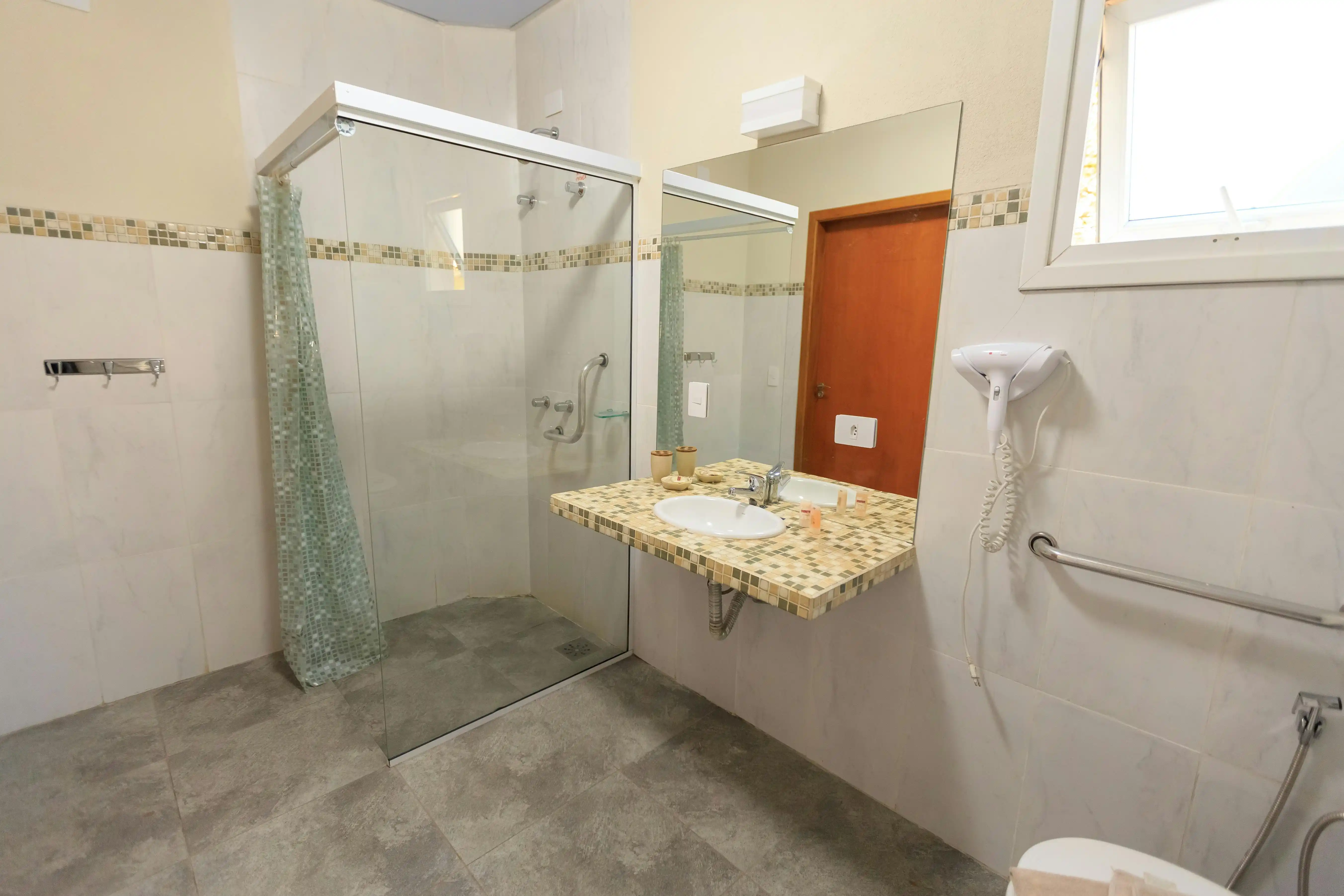
Curbless showers win outright on accessibility. A zero-entry shower is fully accessible to anyone using a wheelchair or walker, and removes the step-over risk entirely for elderly users or anyone recovering from surgery or a mobility challenge. This is particularly relevant for Surrey and White Rock's significant population of multi-generational households and homeowners planning for aging in place.
A walk-in shower with a curb is more accessible than a traditional shower or tub-shower combo - but the curb, even at four to five centimetres, remains a daily step-over. For households where someone has a significant mobility challenge, this is a meaningful difference.
Installation Complexity and Cost
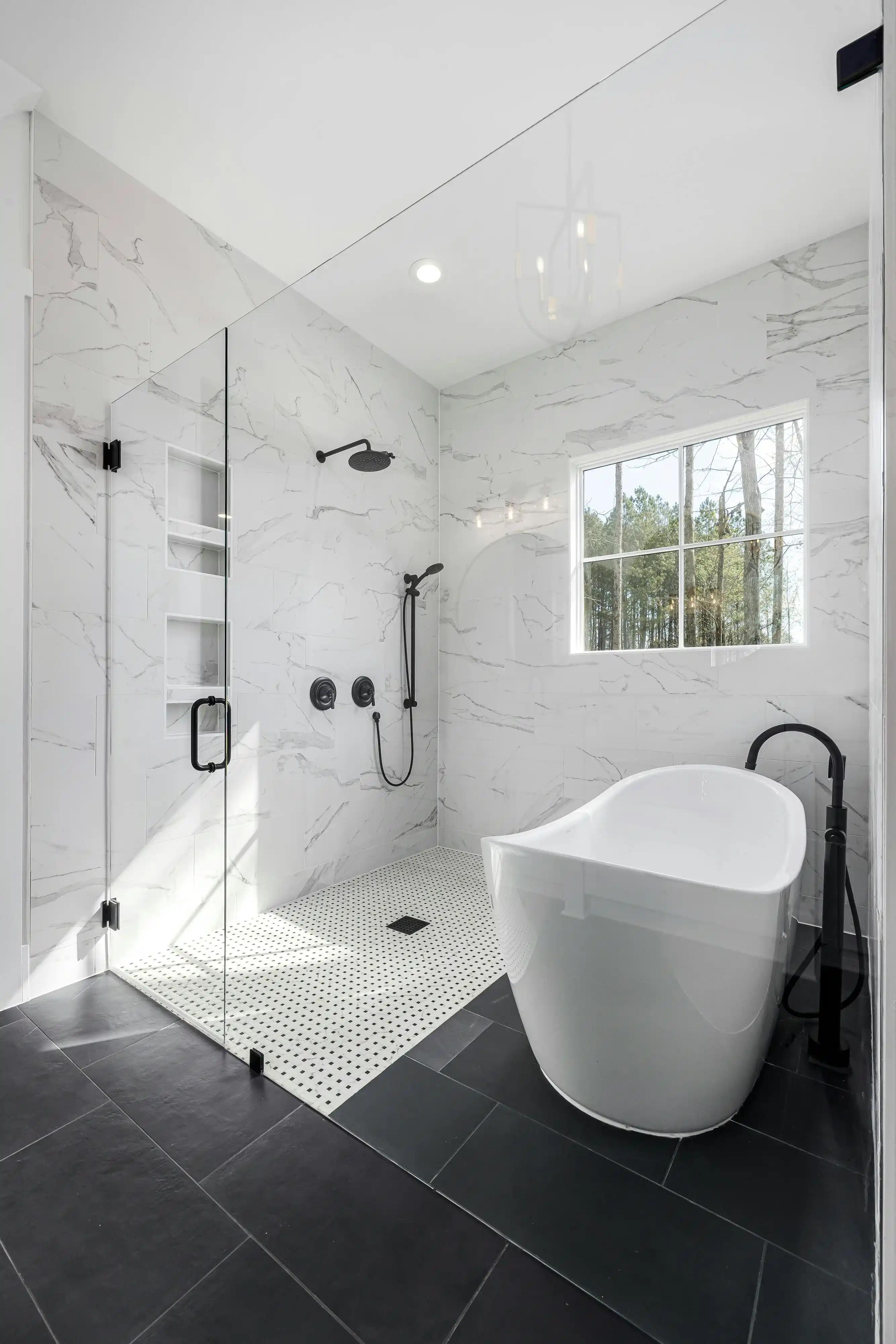
A curbed walk-in shower is more straightforward to install than a curbless design. The curb itself acts as a water containment barrier, which means the waterproofing system has more redundancy built in and the floor slope requirements are less precise. A prefabricated shower pan can be used in many curbed designs, which reduces both cost and installation time.
A curbless shower requires more careful engineering below the surface. The subfloor in the shower zone often needs to be lowered to accommodate the proper slope (typically achieved by recessing the framing within the shower footprint) and the waterproofing must be more extensive and more precise because there is no curb acting as a backup barrier. In Metro Vancouver and the Lower Mainland, a quality curbless shower installation runs roughly $4,000–$7,000 more than a comparable curbed walk-in shower, driven primarily by the additional subfloor work and waterproofing detail required.
Waterproofing Requirements
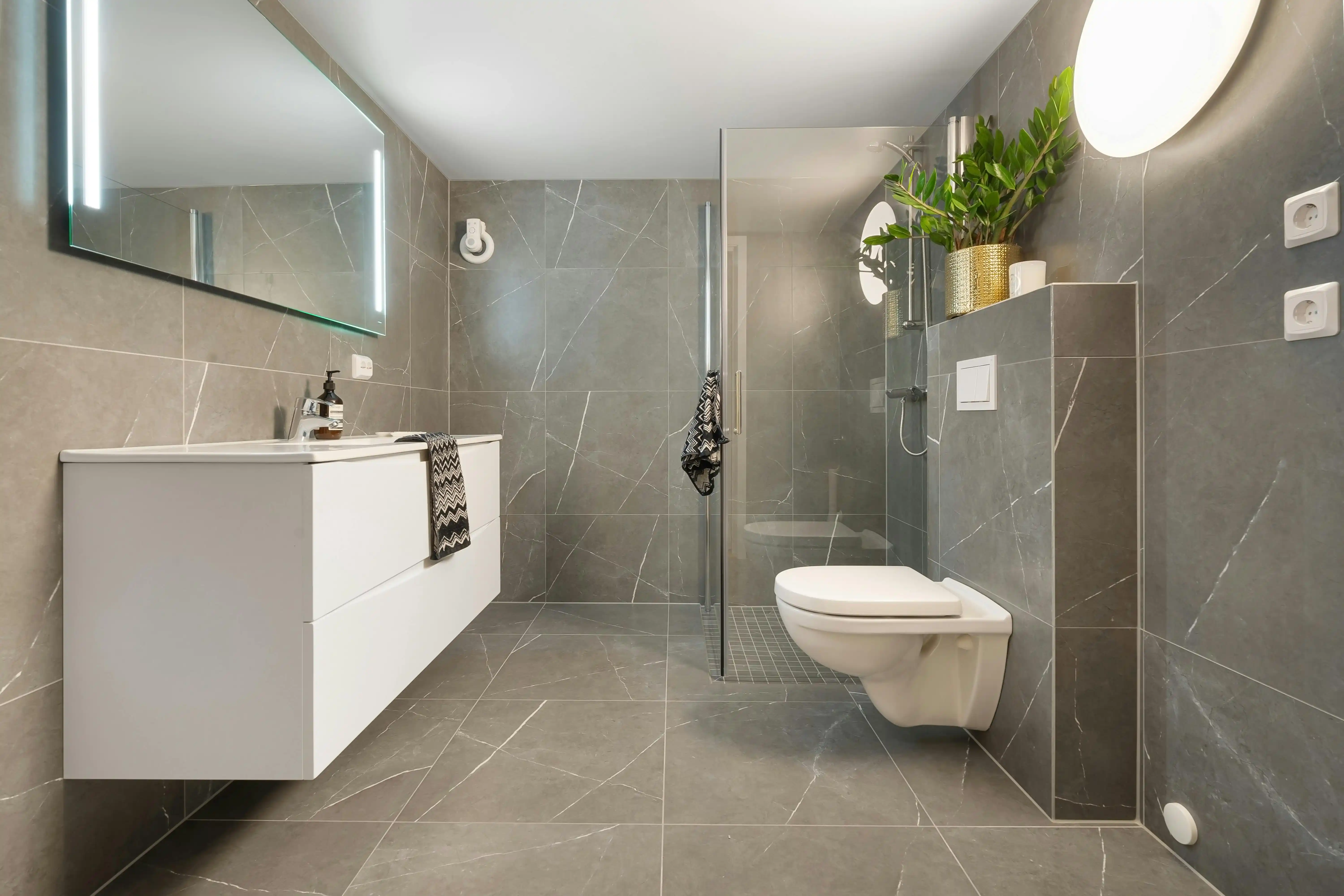
Both options require proper waterproofing - this is non-negotiable in BC's climate. But the margin for error is smaller in a curbless design. Without a curb, any waterproofing failure or insufficient floor slope means water migrates into the bathroom floor, the subfloor, and potentially the framing below. The consequences of poor waterproofing in a curbless shower are worse and harder to detect early than in a curbed design.
This is one reason why experienced Lower Mainland contractors typically specify premium waterproofing systems (Schluter Kerdi, Wedi, or equivalent) for curbless installations, and why choosing a contractor with specific curbless shower experience matters more than it does for a standard shower replacement.
Aesthetics
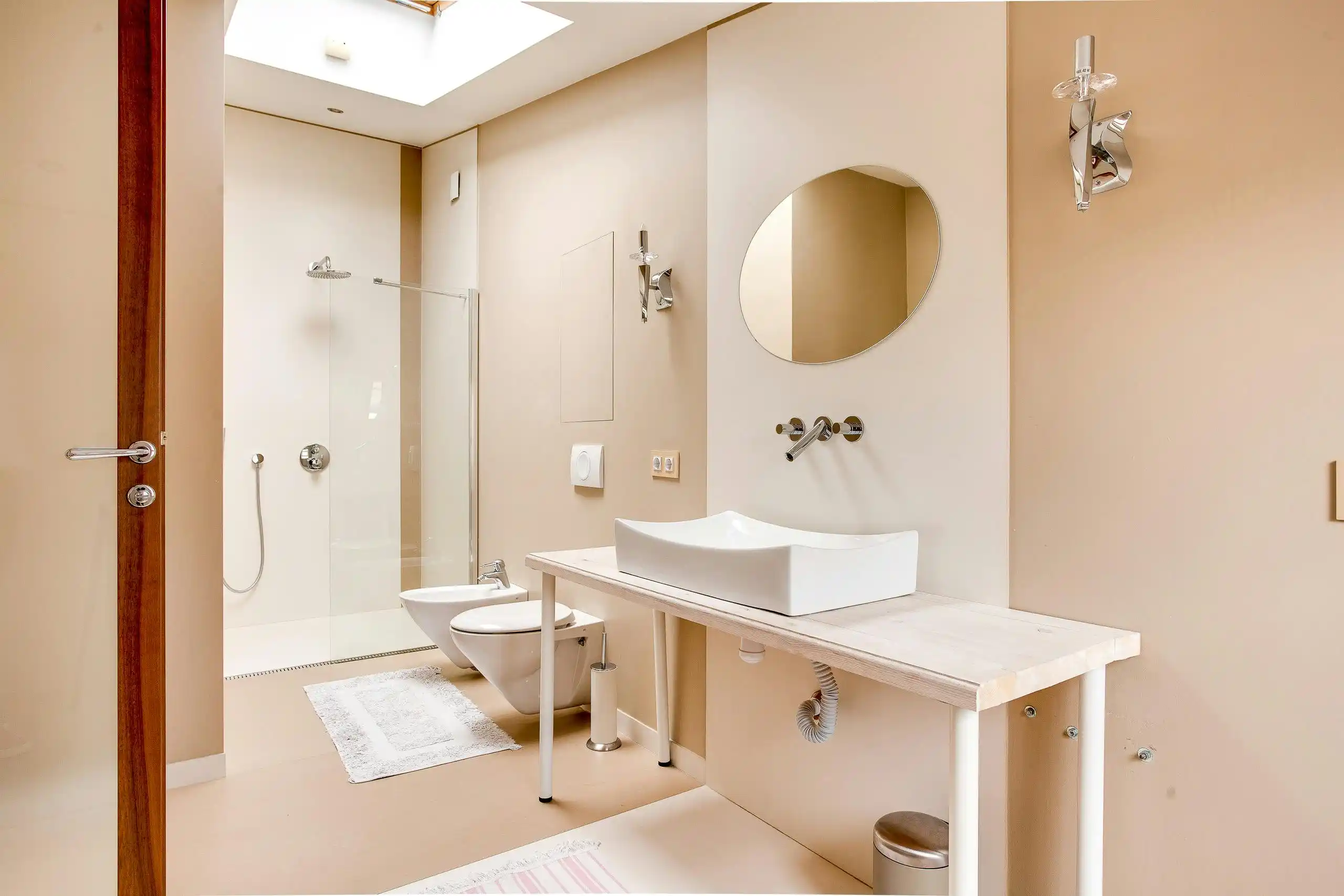
For a clean, seamless, spa-like look, a curbless shower is hard to match. The continuous floor surface (especially when the same large-format tile runs from the bathroom floor into the shower) creates a sense of space and elegance that consistently reads as premium in the Surrey and White Rock market.
A curbed walk-in shower can still look beautiful and contemporary, particularly with frameless glass, quality tile work, and thoughtful fixture selection. The curb itself, when tiled to match the shower floor, is subtle and often barely noticeable in the finished design. For homeowners who want the open, modern walk-in look without the added installation complexity, a well-executed curbed shower is a strong choice.
Water Containment
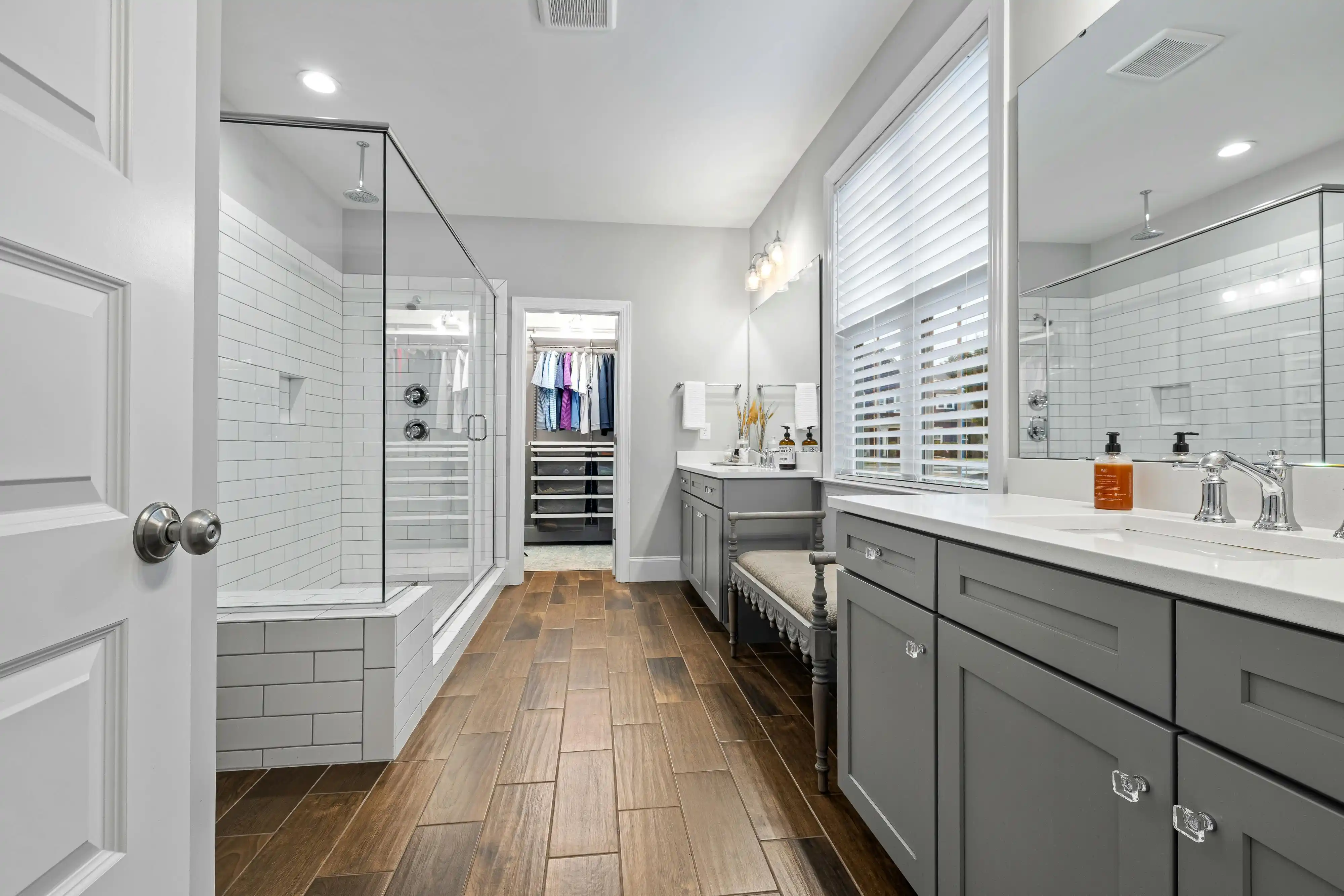
This is where curbed showers have a genuine advantage, particularly for smaller shower footprints or for families with children who tend to move around in the shower. The curb provides a physical barrier that keeps water where it belongs without depending entirely on floor slope and drain placement.
In a curbless shower, water containment depends on proper slope, the right drain, and thoughtful showerhead selection. A rainfall overhead fixture keeps water much more contained than a wall-mounted head angled toward the entry. When all of these elements are correct, a curbless shower contains water just as effectively as a curbed one - but the margin is tighter.
Resale Value in Surrey and White Rock
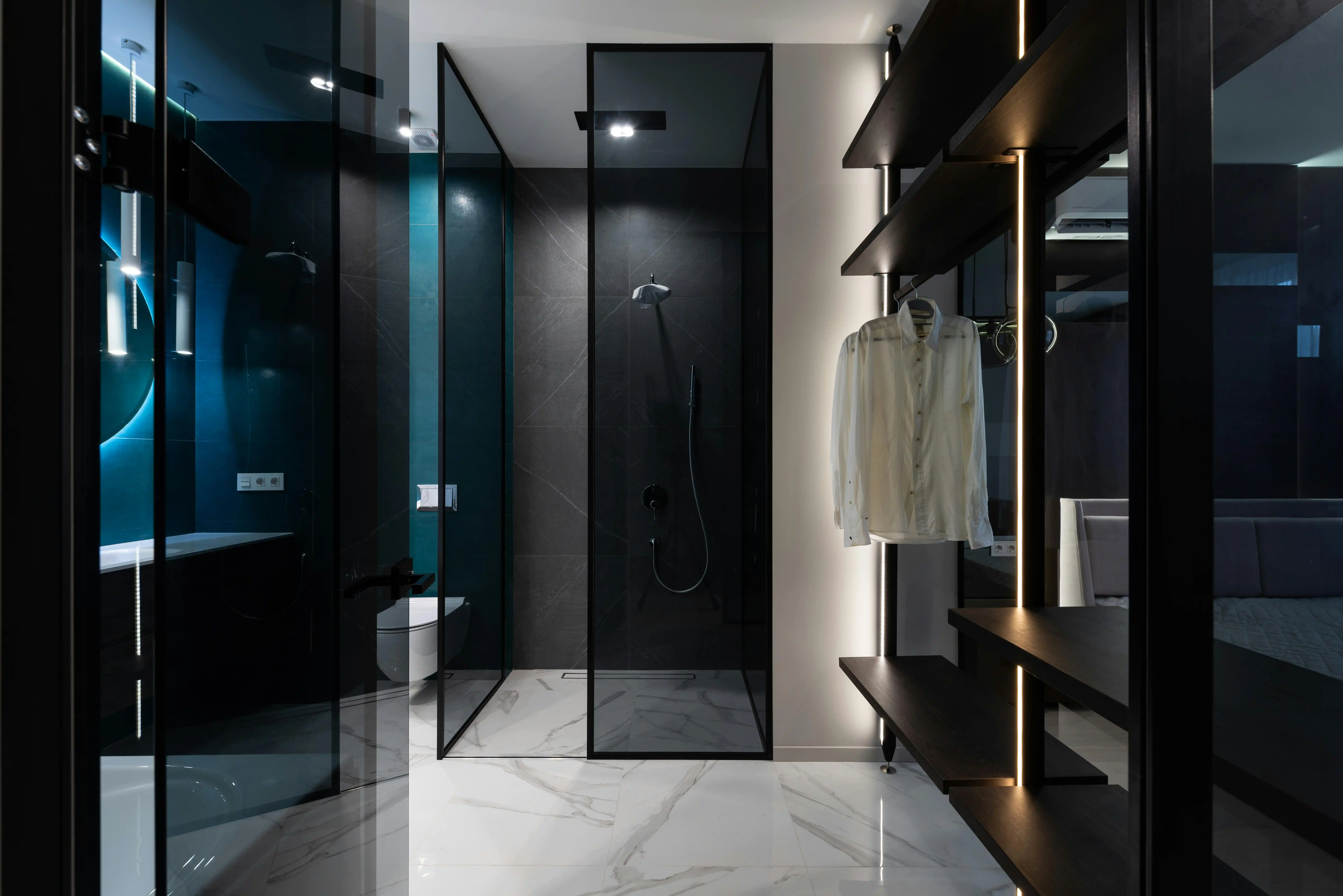
Both options add value in the current market. Curbless showers, particularly in master ensuites, are increasingly expected in the mid-range and premium tier of Surrey and White Rock renovations and tend to generate strong buyer response. They signal a modern, thoughtfully designed bathroom and - with BC's aging population - carry accessibility appeal that broadens the buyer pool.
A high-quality curbed walk-in shower with frameless glass and good tile work performs very well at resale too. The difference in buyer perception between the two options is smaller than many homeowners expect, and in most cases the choice should be driven by the specific bathroom, the household's needs, and what the installation realistically allows - not resale value alone.
Which One Is Right for Your Surrey or White Rock Bathroom?
Here's a practical way to think about it:
A curbless shower is likely the better choice if: you're doing a full bathroom renovation including subfloor work, the shower is in a ground-floor bathroom or a space where subfloor modification is feasible, accessibility is a priority now or in the foreseeable future, and you want the cleanest, most seamless aesthetic.
A curbed walk-in shower is likely the better choice if: the renovation is more limited in scope and subfloor modification isn't practical, the shower footprint is smaller and water containment is a concern, or budget is a significant factor and you want a high-quality result without the added cost of curbless installation.
A low-threshold walk-in shower is worth considering as a middle ground when full curbless installation isn't practical but improved accessibility is still a goal.
Final Thoughts
The choice between a curbless shower and a walk-in shower with a curb comes down to your specific bathroom, your household, and what the renovation can realistically achieve. Both can look beautiful, both can perform reliably when built correctly, and both add value in Surrey and White Rock. The biggest mistake homeowners make is choosing one purely on aesthetics without understanding the installation requirements - and then being surprised by the cost or complexity involved.
A good contractor will assess your bathroom, explain what each option realistically requires in your specific home, and help you make a decision that works for your budget and your long-term needs.


