Custom Cabinets vs Semi-Custom Cabinets: Cost, Flexibility, and Key Differences
Compare custom vs semi-custom cabinets on cost, flexibility, quality, and timelines to find the best fit for your kitchen renovation in 2026.
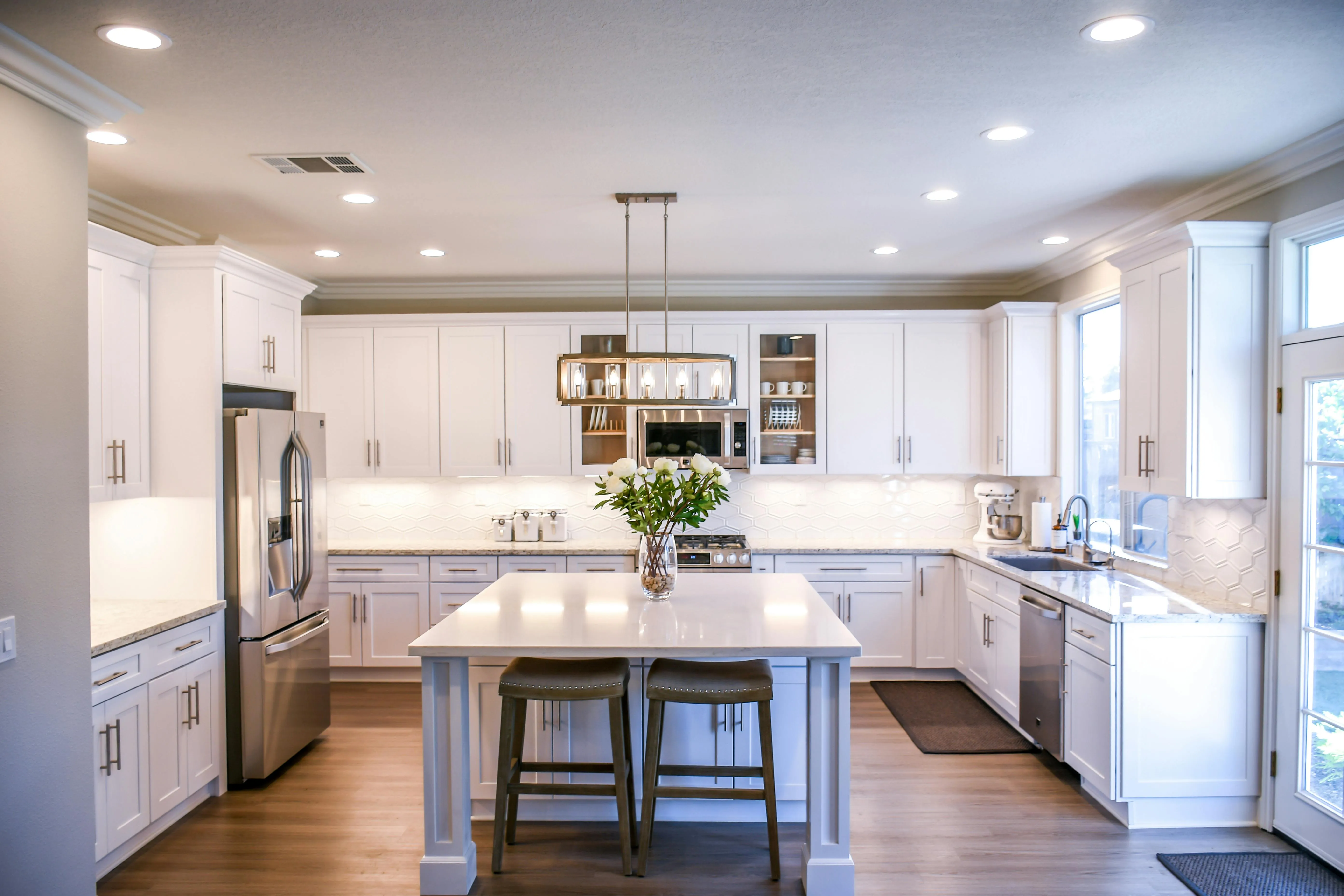
Custom Cabinets vs Semi-Custom Cabinets: Cost, Flexibility, and Key Differences
When planning a kitchen renovation, cabinets are often one of the biggest decisions. Cabinets usually represent a large portion of the kitchen budget and play a major role in how the space functions and looks.
Two common options homeowners compare are custom cabinets and semi-custom cabinets. Both types can create attractive kitchens, but they differ in how they are built, how much you can customize them, how long they take to install, and how much they typically cost.
Understanding these differences can help homeowners decide which option may work best for their renovation goals.
What Are Custom Cabinets?
Custom cabinets are built from scratch for a specific kitchen. Each cabinet is designed and manufactured based on the exact size and layout of the room.
This means almost every detail can be chosen by the homeowner or designer.
Examples of custom options include:
- Cabinet size and dimensions
- Door style and material
- Wood type
- Paint or stain color
- Storage features
- Interior organization
Because custom cabinets are designed specifically for one space, they can fit unusual layouts or unique design ideas.
What Are Semi-Custom Cabinets?
Semi-custom cabinets start with pre-manufactured cabinet boxes, but homeowners can modify certain features such as finishes, sizes, and hardware.
They are often considered a middle option between stock cabinets and fully custom cabinets.
With semi-custom cabinets, homeowners can usually choose things like:
- Door style
- Paint or stain color
- Cabinet depth or height (within certain limits)
- Interior accessories
- Hardware and trim
However, because the cabinets are made using standardized components, the design choices are more limited than with fully custom cabinetry.
Cost Comparison
Cost is often one of the biggest differences between the two options.
Semi-Custom Cabinets
Semi-custom cabinets are generally less expensive because they are partially factory-built.
Typical price ranges are often around $350 to $650 per linear foot, depending on materials and features.
Because they use pre-designed components, manufacturing costs are lower.
Custom Cabinets
Custom cabinets are usually the most expensive option. Each cabinet must be individually designed and built, which requires more labour and time.
The final price can vary widely depending on:
- Materials
- Craftsmanship
- Design complexity
- Size of the kitchen
Design Flexibility
One of the main differences between these two cabinet types is how much customization is available.
Custom Cabinets
Custom cabinetry offers nearly unlimited design flexibility.
Homeowners can choose:
- Any cabinet size
- Unique shapes
- Special storage features
- Rare wood types
- Detailed finishes
This flexibility allows cabinets to fit unusual layouts or design ideas that standard cabinets may not accommodate.
Semi-Custom Cabinets
Semi-custom cabinets allow many design choices but still follow certain rules.
For example:
- Cabinet widths may be available only in set increments
- Door styles come from a catalog
- Some features may not be available
These cabinets provide personalization while still using a structured system.
Installation Time
Another difference is how long it takes to receive and install the cabinets.
Semi-Custom Cabinets
Because they are partially pre-manufactured, semi-custom cabinets usually arrive faster after ordering.
Lead times are often shorter than fully custom cabinetry.
Custom Cabinets
Custom cabinets often take longer because they must be designed and built specifically for the project.
The process may include:
- Design development
- Material selection
- Fabrication
- Finishing
This additional work increases the timeline.
Quality and Materials
Quality can vary depending on the manufacturer and builder.
Semi-Custom Cabinets
Semi-custom cabinets often use higher-quality materials than stock cabinets and may include options like plywood construction and upgraded hardware.
They can provide good durability for many homes.
Custom Cabinets
Custom cabinets often use premium materials and handcrafted techniques, which can provide exceptional durability and craftsmanship.
Because they are built individually, builders can focus on details such as joinery, finishes, and specialized storage features.
Storage and Organization
Both cabinet types can include organizational features such as:
- Pull-out drawers
- Spice racks
- Built-in tray storage
- Lazy Susans
- Pantry pull-outs
Custom cabinets can sometimes offer more unique storage solutions because every cabinet can be designed specifically for the homeowner’s needs.
Semi-custom cabinets also provide many organization features, although the available options depend on the manufacturer.
Situations Where Semi-Custom Cabinets Are Common
Semi-custom cabinets are often chosen when:
- A balance between cost and customization is desired
- Standard cabinet sizes fit the kitchen layout
- The renovation timeline is shorter
- Homeowners want more options than stock cabinets offer
Semi-custom cabinets are often considered a middle ground between affordability and design flexibility.
Situations Where Custom Cabinets Are Common
Custom cabinets are often used when:
- The kitchen layout is unusual
- Unique design features are required
- Specific materials or finishes are desired
- Maximum storage efficiency is needed
Custom cabinetry can allow homeowners to tailor the kitchen exactly to their preferences.
Summary
Custom cabinets and semi-custom cabinets both provide strong options for kitchen renovations.
Semi-custom cabinets offer a balance of personalization, affordability, and faster production times. Custom cabinets provide the highest level of design flexibility and craftsmanship but usually involve higher costs and longer timelines.
Choosing between the two often depends on factors such as budget, design goals, timeline, and how unique the kitchen layout is.
Understanding these differences can help homeowners evaluate which cabinet type may align best with their renovation plans.


