Epoxy Grout: Is It Worth It? Surrey & White Rock Guide
What is epoxy grout? We cover the pros, cons, costs, and whether it's worth it for bathroom renovations in Surrey, White Rock and Langley BC.
What Is Epoxy Grout and Is It Worth It for Your Surrey, White Rock or Langley Bathroom?
⏱ Estimated Reading Time: 6–7 minutes
If you've been doing any research on bathroom tile, you've probably come across the term epoxy grout. Maybe your tile setter mentioned it. Maybe you saw it on a renovation forum alongside strong opinions in both directions. Either way, the questions are always the same: what actually is it, how is it different from regular grout, and is the extra cost worth it for your specific project?
Here's the honest answer.
What Is Epoxy Grout?

Standard grout - the kind that fills the joints between tiles in most bathrooms - is cement-based. It's made from cement, water, and sand or fine aggregate, and it works perfectly well in most applications. Its limitation is that it's porous. Like a sponge made of stone, it absorbs moisture, soap scum, cleaning products, and the biological residue that accumulates in a busy bathroom over time. This is why white or light-coloured grout in showers and on bathroom floors turns grey or yellow over the years. It's not just dirt on the surface - it's absorbed into the material itself.
Epoxy grout is chemically different at a fundamental level. It's made from epoxy resins and a hardener - two components that are mixed together just before application and cure into a material that is essentially non-porous. It doesn't absorb anything. Moisture, soap, oils, cleaning products, and the general biological activity of a busy bathroom can't penetrate the surface. Stains sit on top rather than soaking in, which means they wipe off.
The mechanical strength of cured epoxy grout exceeds that of cement grout significantly - it's harder, more resistant to cracking, and more resistant to the chemical exposure that bathroom grout faces daily.
The Practical Difference in a Surrey, White Rock or Langley Bathroom
BC's coastal climate keeps humidity elevated year-round, and bathrooms in Surrey, White Rock and Langley experience consistent daily moisture from showers, baths, and general use. This is precisely the environment where the difference between cement and epoxy grout becomes most apparent over time.
A cement-grouted shower in a busy BC household, without diligent sealing and maintenance, will typically show visible discolouration within one to three years. The grout lines darken, mould establishes in the porous surface, and no amount of scrubbing fully restores the original colour because the contamination has penetrated the material rather than sitting on the surface.
An epoxy-grouted shower in the same household will look substantially the same in year five as it did in year one. Routine cleaning with a standard bathroom cleaner and a soft brush is all it needs. There's no sealing schedule, no grout cleaning products, and no gradual darkening of light-coloured grout lines.
For Surrey, White Rock and Langley homeowners who are investing in a quality bathroom renovation, this long-term maintenance difference is genuinely meaningful. For the best guide to shower grout options and what they mean in BC's conditions, what is the best grout for a bathroom shower in Surrey and White Rock covers the full comparison.
The Honest Pros and Cons
Pros: Non-porous - doesn't absorb moisture, soap, or bacteria. No sealing required - ever. Colour stays consistent over time. Highly stain-resistant - spills wipe off rather than soak in. Extremely durable - won't crack or crumble under normal bathroom use. Resistant to cleaning chemicals - you can clean it with whatever works without worrying about damaging the grout.
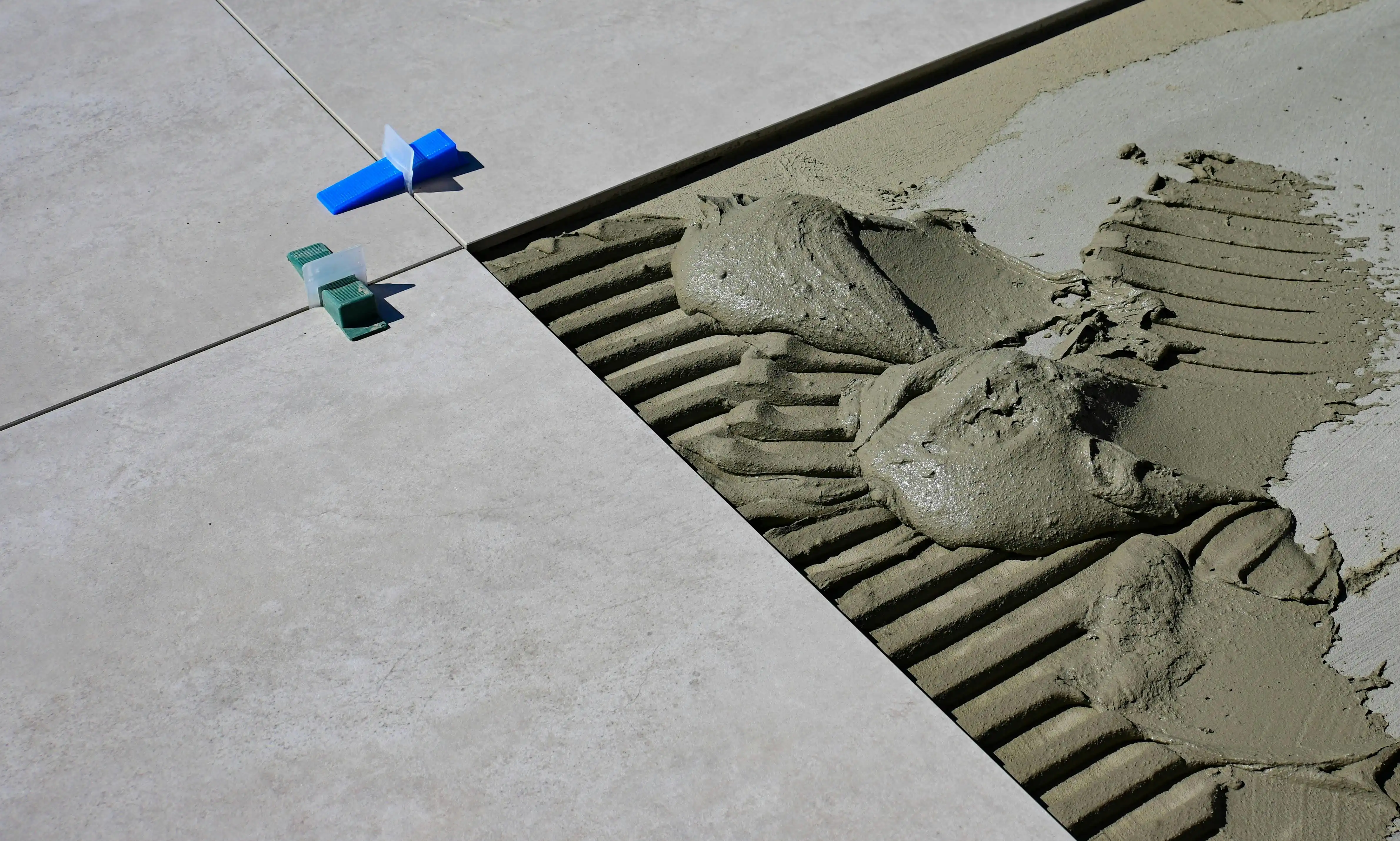
Cons: Significantly more expensive than cement grout - typically three to five times the material cost. More demanding to install - epoxy grout has a shorter working time than cement grout, sets faster, and requires more careful technique and faster cleanup. Experienced tile setters handle this without issue, but it's not forgiving of a hesitant or inexperienced installer. Can yellow slightly with prolonged UV exposure - this matters outdoors or in very sunny rooms, but is rarely relevant for enclosed showers and bathroom floors. White epoxy grout in particular can be tricky - some homeowners find it looks brighter or more plastic than cement grout. Warm neutral and medium tones tend to look more natural.
What Does Epoxy Grout Cost in Surrey, White Rock and Langley?
The material cost of epoxy grout runs approximately three to five times that of standard cement grout. For a standard tile shower in a Surrey, White Rock or Langley bathroom, the difference in material cost alone is typically $160 to $400 CAD depending on the size of the shower and the grout joint width.
Labour cost is higher as well - experienced tile setters typically add $240 to $480 CAD to their installation quote when epoxy grout is specified, reflecting the additional care and speed required during application and cleanup. The total premium over cement grout for a standard shower is typically $400 to $800 CAD.
Over a 10-year period, the savings in sealing products, grout cleaning products, and the time and effort of grout maintenance can offset a meaningful portion of this upfront premium. For homeowners planning to stay in their Surrey, White Rock or Langley home for five or more years, the case for epoxy grout in shower applications is financially reasonable as well as practically sensible.
Where Epoxy Grout Makes the Most Sense
Epoxy grout is not necessary everywhere in a bathroom renovation. Here's the practical guide to where it adds the most value:
High priority - use epoxy: Shower walls and floors - the highest-moisture, highest-contamination zone in the bathroom. Floor tile in the main bathroom area - foot traffic, moisture from showers, and daily cleaning create the conditions where epoxy grout's durability pays back most clearly. Kitchen backsplash - grease, cooking splatter, and frequent wiping are exactly the conditions epoxy handles best.
Lower priority - cement grout is adequate: Feature walls in dry areas. Tile on walls away from direct water exposure. Areas where the tile will only be cleaned occasionally with mild products.
For a full bathroom renovation in Surrey, White Rock or Langley, many experienced contractors recommend specifying epoxy grout in the shower and on the bathroom floor, and using a high-quality polymer-modified cement grout on dry-area walls. This approach captures most of the long-term maintenance benefit at a lower total premium than using epoxy throughout.
What to Ask Your Tile Setter
Before your renovation begins, ask your tile setter two questions: Do you have experience applying epoxy grout? And can you show me examples of completed epoxy-grouted showers?
Epoxy grout in the hands of an experienced tile setter looks excellent - the colour is consistent, the joints are clean, and the finished surface has a slightly more refined appearance than cement grout. In the hands of a less experienced installer, epoxy grout applied too slowly or cleaned up too late leaves a hazy residue on the tile surface that is extremely difficult to remove. The technical demands of epoxy grout installation are not a reason to avoid it - they're a reason to confirm your tile setter has done it before.
Final Thoughts
Epoxy grout is genuinely worth it in the right application - and the shower is always the right application in a Surrey, White Rock or Langley bathroom. The upfront premium is real but modest relative to the overall renovation cost. The long-term maintenance difference is significant in BC's humid climate. And the consistency of colour over years of daily use is something you notice every time you step into the shower. If your tile setter recommends cement grout for a shower and doesn't mention epoxy as an option, it's worth asking why.


