Floating vs Glue-Down Flooring: Surrey BC Guide
Floating or glue-down flooring for your Surrey, White Rock or Langley renovation? We explain the real difference and which method suits BC homes best.
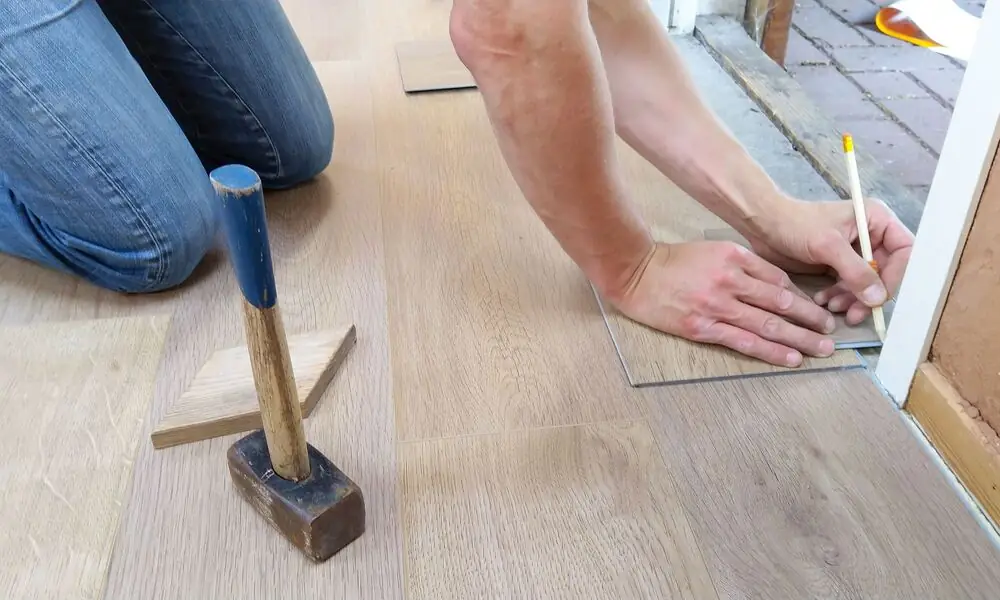
Floating vs Glue-Down Flooring - What Surrey, White Rock and Langley Homeowners Need to Know
⏱ Estimated Reading Time: 7–8 minutes
If you're renovating a kitchen, living room, or basement in Surrey, White Rock or Langley and you're looking at luxury vinyl plank or engineered hardwood, your flooring supplier or contractor will ask you a question that sounds technical but matters a lot: floating or glue-down?
Most homeowners haven't thought about it. And most answers they get from quick online research lean heavily one way or the other without enough nuance for BC's specific housing conditions. This guide gives you the honest, practical answer - what each method actually is, what each one delivers in daily use, where each one performs best, and how to decide which is right for your specific home and renovation scope.
What Is a Floating Floor?
A floating floor doesn't attach to the subfloor at all. Planks click together using an interlocking tongue-and-groove system and rest on an underlayment pad - the assembled floor literally floats above the subfloor. The weight of the floor itself, friction from the underlayment, and the connected click-lock system keep it in place.
An expansion gap - typically 1/4" to 3/8" around the perimeter of the room - allows the floor to expand and contract with changes in temperature and humidity without buckling. This gap is covered by baseboards and skirting, so it's invisible in the finished result.
Most luxury vinyl plank (LVP) sold in BC today is click-lock floating. The rigid core - SPC (stone plastic composite) or WPC (wood plastic composite) - is specifically engineered for floating installation and performs exceptionally well in this format. Most click-lock engineered hardwood is also designed for floating installation.
What Is a Glue-Down Floor?
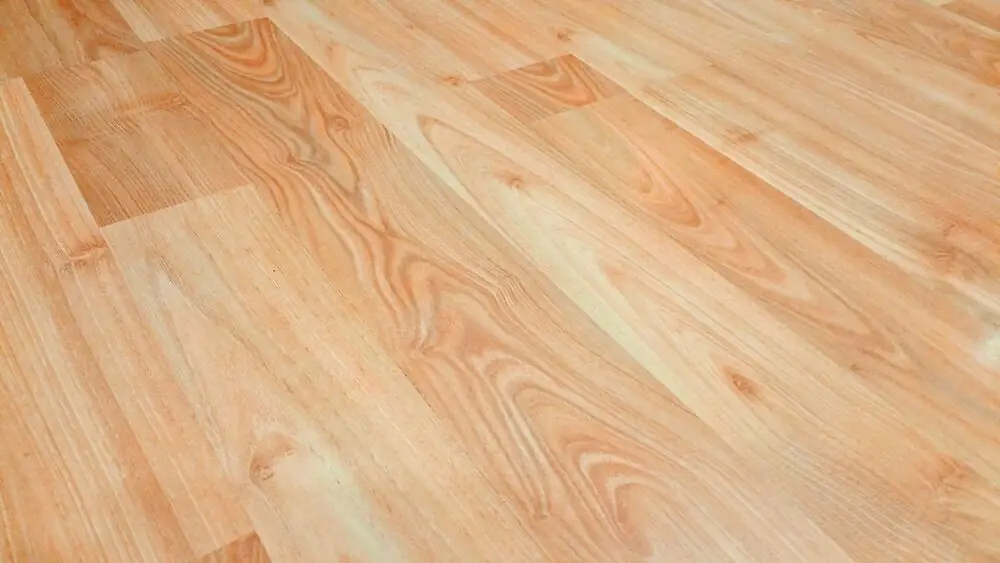
A glue-down floor is adhered directly to the subfloor using a bonding adhesive applied to the subfloor surface. Each plank is pressed into the adhesive and bonds permanently to the subfloor once the adhesive cures. There is no click-lock system, no underlayment, and no expansion gap (though perimeter gaps are still left to allow for minor movement).
The result is a floor that is physically bonded to the subfloor across its entire surface - no air gap, no floating movement. Glue-down is the traditional installation method for solid hardwood and thin vinyl plank products, and it remains the preferred method in certain specific applications.
How Do They Feel Underfoot?
This is where the difference is most immediately noticeable, and it's worth spending a moment on because it affects daily life.
A glue-down floor feels solid and dense underfoot - because it is. The plank is bonded to the subfloor with no air gap, so there's no give, no flex, and no hollow resonance. Footsteps produce a muted, natural sound similar to solid hardwood. In high-traffic areas and in larger rooms, this solid feel is consistently preferred by homeowners who are used to hardwood floors.
A floating floor has an air gap between the underlayment and the subfloor. This creates a very slight give underfoot and, on some products, a hollow or drum-like sound when walked on - particularly noticeable in larger open areas. Quality rigid-core LVP minimises this significantly compared to older floating products, but the difference from a fully glued floor is still detectable in a direct comparison. For strata condo owners in Surrey and White Rock where noise transmission to units below is a concern, this distinction matters - a glue-down floor with appropriate acoustic underlayment delivers better sound performance than a floating floor, and strata buildings often specify minimum acoustic ratings for hard surface flooring.
How BC's Climate Affects the Decision
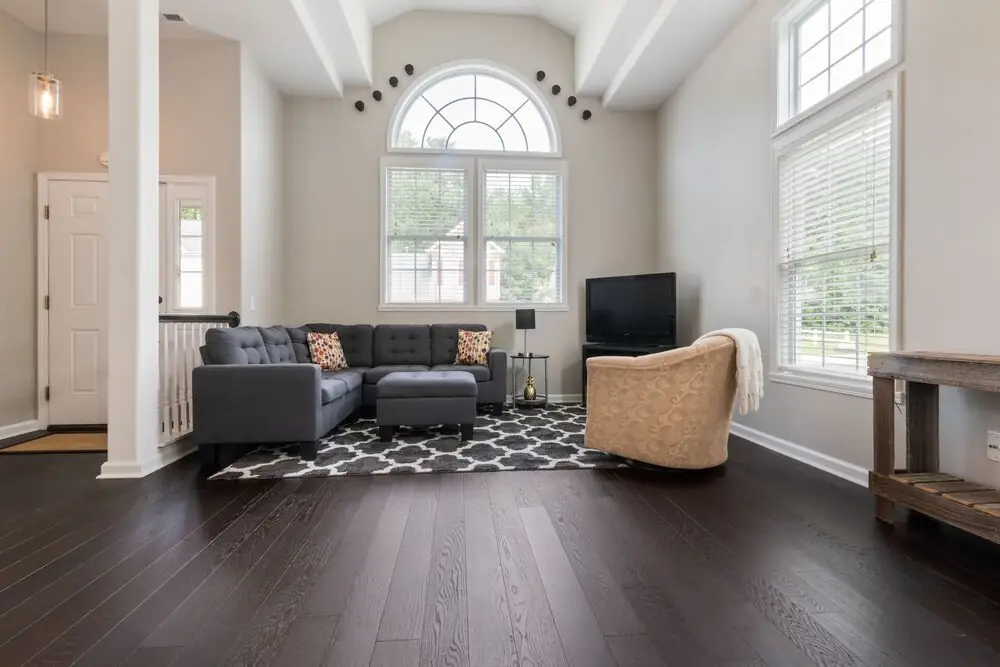
BC's Lower Mainland climate - persistent humidity for much of the year, damp winters, and a notable swing between wet and dry seasons - is the context that matters most for flooring decisions in Surrey, White Rock and Langley homes.
Floating floors expand and contract with humidity changes. Quality rigid-core LVP handles this well because the SPC or WPC core has very low expansion and contraction rates. Quality engineered hardwood handles it reasonably well because the cross-ply construction is more dimensionally stable than solid wood. However, in very large open-plan areas - rooms over 26 to 33 feet in any direction - floating floors can develop gapping or peaking at joints during significant seasonal humidity swings, particularly if the product is not well-matched to BC conditions.
Glue-down floors don't have this issue. Because the planks are bonded to the subfloor, they cannot move independently. In concrete subfloor installations - common in Surrey and Langley basements - glue-down eliminates the movement risk entirely, provided the subfloor moisture is properly assessed and managed before installation. Moisture testing before gluing to concrete is not optional - trapped moisture under adhesive causes bonding failure and floor lifting. Any reputable flooring contractor in the Lower Mainland will test subfloor moisture levels before committing to a glue-down installation on concrete.
Subfloor Conditions - The Most Practical Decision Driver
The condition of your subfloor is often the most practical factor in the floating vs glue-down decision, and it's one that many homeowners don't think about until the flooring contractor lifts the existing floor covering and takes a look.
Floating floors are more forgiving of subfloor imperfections. The underlayment and the thickness of a rigid-core LVP or engineered hardwood plank can bridge minor dips and humps that would telegraph through a glue-down installation. Most floating products tolerate subfloor variation of 1/8" to 5/32" over a 6 foot span.
Glue-down floors require a flatter subfloor. Because the plank is bonded directly to the surface below it, any variation in the subfloor telegraphs through to the finished floor surface. Glue-down installations typically require the subfloor to be within 1/8" over a 10-feet span - tighter than floating. In older Surrey, White Rock and Langley homes where subfloors have settled, developed humps, or have been patched over the years, achieving this level of flatness may require additional preparation work - self-levelling compound, grinding high spots, or filling low areas - that adds cost before the flooring even starts.
Existing hard flooring: floating floors can go over most existing hard surfaces including tile, vinyl, and hardwood, provided the surface is stable and the transition heights work. Glue-down typically requires removing existing flooring to reach a clean subfloor surface.
Which Is Easier to Repair?
This is a meaningful practical difference, particularly for homeowners who are installing flooring in a home they plan to live in for 10 to 20 years.
Floating floors can be repaired by disassembling planks back from the nearest wall to the damaged section, replacing the damaged plank, and clicking everything back together. The entire floor can theoretically be removed and reinstalled. This is time-consuming but achievable, and the floor itself is not damaged in the process.
Glue-down floors are essentially permanent. A single damaged plank requires cutting it out with a utility knife or oscillating multi-tool, scraping the old adhesive, and gluing in a replacement plank flush with the surrounding surface. This is skilled work and the result is only as good as the repair - a mismatched plank height is a tripping hazard and an aesthetic problem. Full glue-down floor removal is a labour-intensive job that often damages the subfloor and costs $4 to $8 per sq ft in removal labour alone. For a flooring replacement in a standard Surrey living room of 200 sq ft, that's $800 to $2,000 CAD just for removal before new flooring costs begin.
Cost Comparison in Surrey, White Rock and Langley
Floating LVP installed in a Surrey, White Rock or Langley home typically runs $8 to $19 per sq ft for materials and installation combined, depending on product quality and room complexity. The click-lock installation is faster, which keeps labour costs lower.
Glue-down LVP or thin vinyl plank typically runs $10 to $20 per sq ft installed - the material itself is often less expensive per sq ft than thick rigid-core LVP, but the adhesive, additional subfloor preparation, and longer installation time push the total cost to a comparable range.
Engineered hardwood installed floating runs $16 to $35 per sq ft installed. Glued-down engineered hardwood runs similarly but may require additional subfloor preparation costs depending on conditions.
Where Each Method Makes the Most Sense
Floating is the right choice when:
- The subfloor has minor imperfections that would require significant preparation for glue-down
- Installation is going over existing hard flooring
- Future removal or replacement is a realistic possibility
- The product is a quality rigid-core LVP designed for floating installation
- The installation area is a standard residential room under 8 to 10 metres in any direction
- The home is a strata condo where adhesive compatibility with the subfloor structure needs assessment
Glue-down is the right choice when:
- The installation is on concrete - particularly basement concrete slabs in Langley and Surrey where floating floors may develop movement issues over time
- The room is large and open, over 26 to 33 feet in any direction
- Acoustic performance is a priority - particularly in strata buildings where sound transmission to units below is governed by strata bylaws
- Heavy rolling loads are present - wheelchairs, heavy appliances being moved regularly
- A very solid, dense underfoot feel is the priority
For most residential renovations in Surrey, White Rock and Langley - particularly kitchen, living room, and bedroom flooring in detached homes and townhouses - a quality floating rigid-core LVP is the most practical choice. It's faster to install, more forgiving of subfloor conditions, easier to repair, and the quality of current products has closed the performance gap with glue-down to the point where the daily difference is minimal for most households.
For basement concrete slabs, large open-plan areas, and strata applications where acoustic performance matters, glue-down deserves serious consideration and is worth discussing with your flooring contractor before committing.
For a full guide to kitchen flooring options and how they compare in BC's climate, what is the best flooring for a kitchen renovation in Surrey and White Rock covers the material comparison in detail alongside the installation context.
Final Thoughts
Floating vs glue-down is not a question with a single right answer - it's a question with a right answer for your specific home, your subfloor, your room size, and how you plan to use the space. For most Surrey, White Rock and Langley residential renovations, floating rigid-core LVP is the practical default that delivers excellent results. For basements, large areas, and strata applications, glue-down deserves more careful consideration. Either way, the decision is worth having explicitly with your flooring contractor before materials are ordered - not after installation has started.


