Heat Pumps for BC's Coast: Surrey to Langley Guide
Considering a heat pump for your Surrey, White Rock or Langley home? Learn how they work, why they suit BC's mild wet coast, and what to consider.
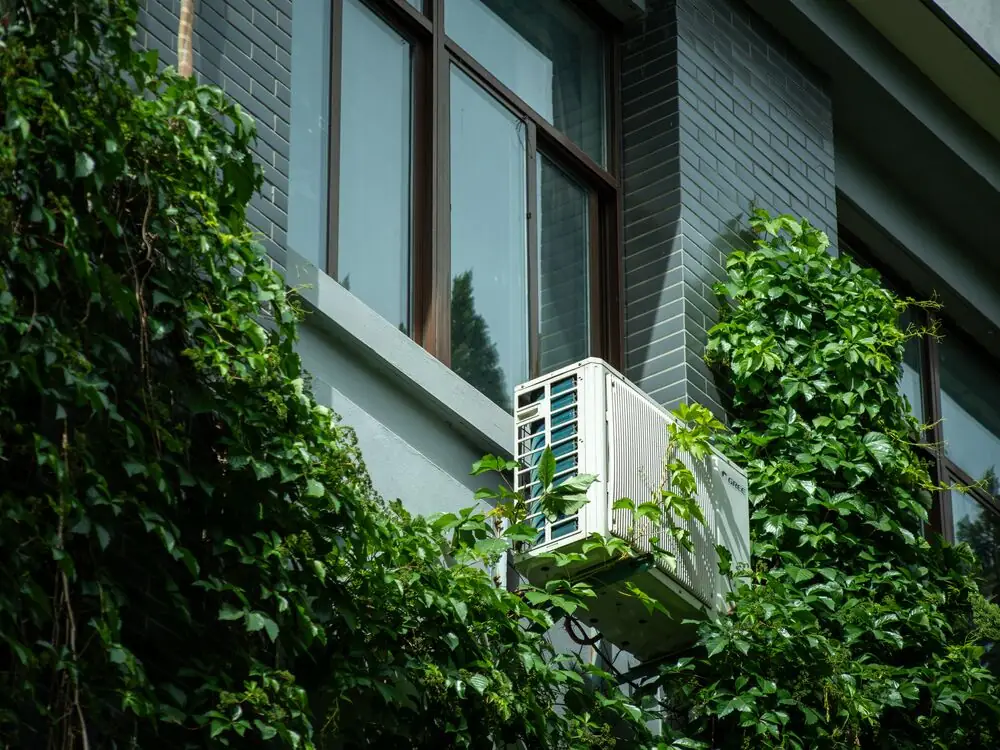
Heat Pumps for BC's Coastal Climate: What Surrey, White Rock and Langley Homeowners Should Know
⏱ Estimated Reading Time: 8–9 minutes
If you've been anywhere near a home renovation conversation in the Lower Mainland recently, you've heard about heat pumps. They're the single most discussed home energy upgrade in Surrey, White Rock and Langley right now, and for a genuine reason: our climate is close to ideal for them. But there's a lot of noise around the topic, and homeowners are often left unsure what a heat pump actually is, whether it will work through a BC winter, and what to consider before installing one.
Here's the clear version, focused on what actually matters for homes in our specific coastal climate.
What Is a Heat Pump, and How Does It Actually Work?
A heat pump is an electric system that both heats and cools your home. The name is slightly misleading, because it doesn't create heat the way a furnace or electric baseboard does. It moves heat from one place to another.
In winter, it extracts heat from the outside air, even cold air, and moves it inside. This sounds counterintuitive, but there's usable heat energy in air well below freezing, and a heat pump's refrigerant and compressor are designed to pull it out and concentrate it indoors. In summer, the process reverses: the system pulls heat out of your home and pushes it outside, working exactly like an air conditioner. One system, both functions, all year.
Because it moves heat rather than generating it, a heat pump delivers far more heating energy than the electricity it consumes. This is why it's dramatically more efficient than baseboard heaters or an electric furnace, and why it's become the centrepiece of home energy upgrades across Surrey, White Rock and Langley.
Why BC's Coastal Climate Is Close to Ideal
Here's the part that matters most for our area, and it runs opposite to the common worry that heat pumps "don't work in cold weather."
The Lower Mainland has one of the mildest winter climates in Canada. Most winter days sit above freezing. Even during a cold snap, temperatures in Surrey, White Rock and Langley typically stay in the mild-below-zero range for short stretches rather than plunging into the sustained deep freeze that challenges heating systems in the BC Interior or on the Prairies.
This climate profile is almost perfectly suited to heat pump performance. A heat pump loses some efficiency as the outdoor temperature drops, which is a real limitation in regions that spend weeks at -25 C or colder. But our coast rarely demands that kind of extreme sustained output. For the vast majority of the heating season here, a properly sized heat pump runs efficiently and comfortably, and for most Lower Mainland homes it can serve as the sole heating source year-round.
The added benefit that used to be an afterthought is now a real draw: air conditioning. As Lower Mainland summers get warmer, the cooling function of a heat pump has shifted from a nice-to-have to something many Surrey and Langley households genuinely want. A heat pump delivers it as part of the same system, with no separate air conditioner required.
The One Coastal Quirk Worth Understanding: Defrost Cycles
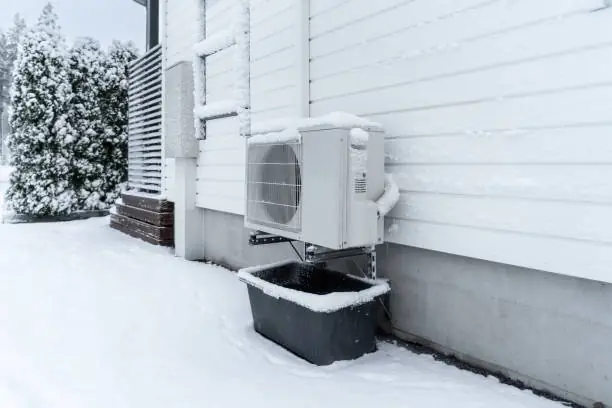
There's a climate-specific detail worth knowing before you install, because it catches people off guard. Our winters aren't just mild, they're wet, and that dampness interacts with a heat pump in a particular way.
On cold, damp days near freezing, frost can build up on the outdoor unit's coil. To clear it, the system runs a brief defrost cycle, temporarily reversing to melt the frost off the coil. During those few minutes, the air coming from your vents may feel cooler, and the outdoor unit may steam or make different sounds.
This is completely normal operation, not a malfunction. But because coastal BC's wet, near-freezing air produces more frequent defrost cycles than a dry cold climate would, homeowners here sometimes mistake this routine behaviour for the system failing. It isn't. Knowing to expect it means you won't be calling for service over a heat pump that's working exactly as designed.
Ducted vs Ductless: Which Suits Your Home?
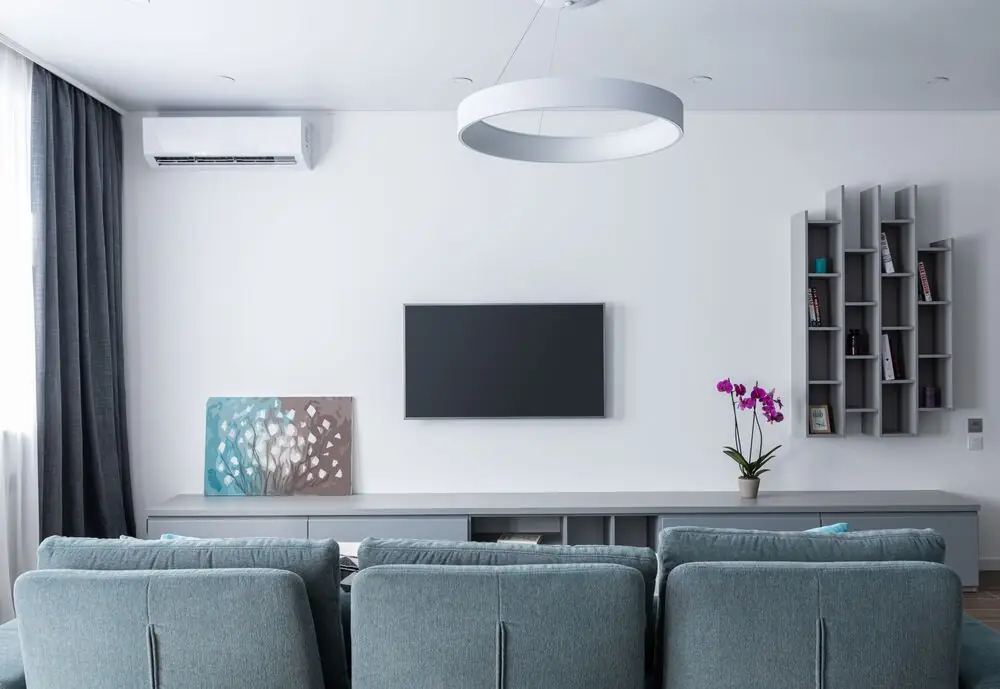
There are two main ways a heat pump distributes conditioned air, and which one fits depends on your home.
A ducted (central) heat pump connects to ductwork and distributes heated or cooled air through the vents in each room, the same way a central furnace does. For Surrey and Langley homes that already have ductwork from an existing forced-air furnace, a ducted heat pump is often the natural fit, since it uses the distribution system already in place. It provides even, whole-home conditioning through the vents you already have.
A ductless (mini-split) heat pump skips the ductwork entirely. An outdoor unit connects to one or more indoor wall-mounted or ceiling units, each conditioning the space it's mounted in. Ductless systems are the practical choice for homes without existing ductwork, for older White Rock and Surrey homes heated by baseboards, for additions and laneway homes, and for zoning specific areas of the house independently. Each indoor unit can be controlled separately, which suits households that want different temperatures in different rooms.
Many homes end up with a hybrid: a ducted system for the main living areas plus a mini-split head for a space the ductwork doesn't reach well, like a basement suite or a bonus room. The right configuration is genuinely home-specific, which is why an in-home assessment matters more here than picking a system off a spec sheet.
What to Consider Before Installing
A few practical factors determine whether a heat pump is a straightforward addition or a more involved project in your specific home.
Electrical capacity is the first. A heat pump runs on electricity and typically requires a dedicated circuit, and in some older Surrey, White Rock and Langley homes, the existing electrical panel may need assessment to confirm it can support the additional load. Homes still on an older, smaller panel sometimes need a panel upgrade before a heat pump can be added, which affects both cost and scope.
Sizing is the second, and it's the one most worth getting right. A heat pump that's too small won't keep up on the coldest days; one that's oversized cycles inefficiently and costs more than it should. Proper sizing depends on your home's square footage, insulation, windows, and layout, which is why a professional load calculation is worth far more than a rule-of-thumb estimate.
Your existing heating system is the third consideration. If you're replacing an aging gas furnace or oil system, switching to a heat pump changes your home's energy profile substantially. Some households choose a dual-fuel setup, pairing the heat pump with an existing gas furnace that takes over automatically on the rare coldest days, as a hedge for older, less-insulated homes. For most well-insulated Lower Mainland homes, a properly sized heat pump on its own is enough.
Permits, Electrical, and Installation
A heat pump installation that involves new electrical circuits or a panel upgrade requires an electrical permit, and the work must be done by a licensed electrician and HVAC installer. In Surrey, permits go through the MySurrey portal; in White Rock, through the City of White Rock Building Department; and in the Township or City of Langley, through their respective building departments. A licensed installer handles the permit and the equipment sizing as part of the scope.
If you're already planning other electrical work in a renovation, a kitchen with new circuits, a panel upgrade, or an EV charger, coordinating the heat pump electrical at the same time is more efficient than doing it as a standalone job later. For homeowners thinking about electrical additions, our guide to adding an EV charger during your renovation covers the panel-capacity considerations that apply to heat pumps as well.
A Note on Rebates
Heat pumps are one of the most heavily incentivized home upgrades in BC, and there are meaningful rebate programs available, particularly for households switching away from gas or replacing electric baseboard heating. Because rebate amounts, eligibility rules, and program deadlines change regularly, the most reliable thing you can do is confirm what's currently available before you commit.
The two sources to check are BC's CleanBC Better Homes program at betterhomesbc.ca and your BC Hydro account for current heat pump incentives. Both maintain up-to-date rebate information, and installers registered with the relevant contractor networks can often help you navigate what applies to your specific situation. Confirming current rebate details directly with these sources, rather than relying on a figure quoted in an article that may be out of date, is the safest approach.
Final Thoughts
A heat pump is one of the best-suited home upgrades for Surrey, White Rock and Langley's specific climate. Our mild, wet winters are close to ideal for heat pump performance, the summer cooling function is an increasingly valued bonus, and the efficiency gains over baseboard or electric-furnace heating are substantial. The keys are proper sizing for your specific home, confirming your electrical panel can support it, choosing the ducted or ductless configuration that fits your layout, and understanding that the occasional winter defrost cycle is normal coastal operation rather than a fault. Start with an in-home assessment from a licensed installer, and confirm current rebate eligibility at betterhomesbc.ca before you commit.


