How to Choose Finishes That Won't Look Dated in 5 to 10 Years
Learn how to choose renovation finishes that won't look dated in 5 to 10 years, from neutral colours and simple cabinets to durable materials and timeless layouts.
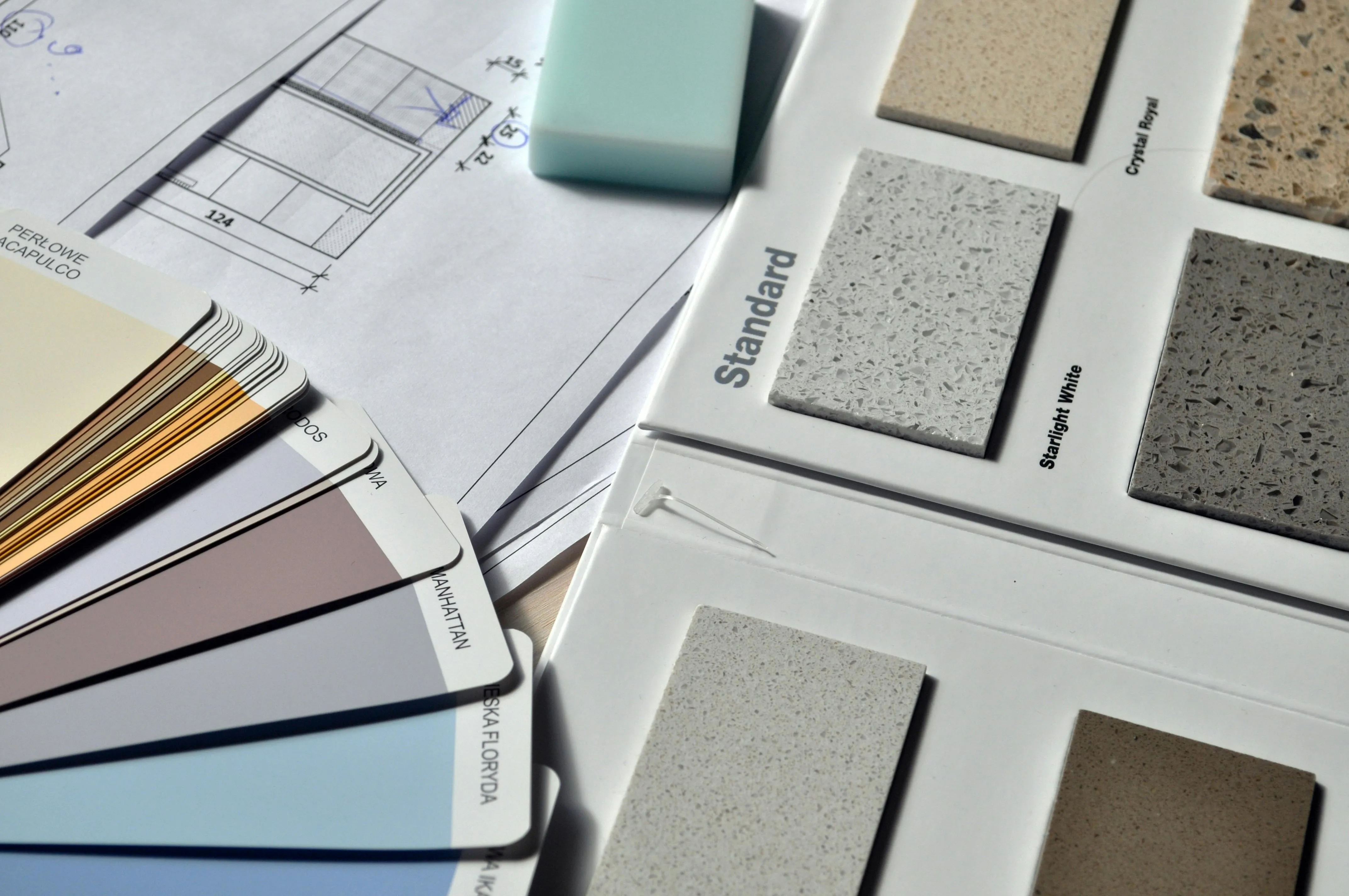
How to choose a finish that won't look dated in 5 to 10 Years?
This is a question many homeowners ask when planning a renovation. It’s not just about what looks good today, it’s about choosing finishes and design elements that will still feel right years from now. Thinking about this early can help avoid choices that feel outdated too quickly.
Why Some Designs Age Better Than Others
Design trends change over time. What is popular today may not be as popular in a few years.
Designs tend to age better when they are:
- Simple
- Functional
- Neutral
- Easy to maintain
Highly specific or bold choices can feel exciting at first, but they may not have the same long-term appeal.
1. Neutral Color Palettes
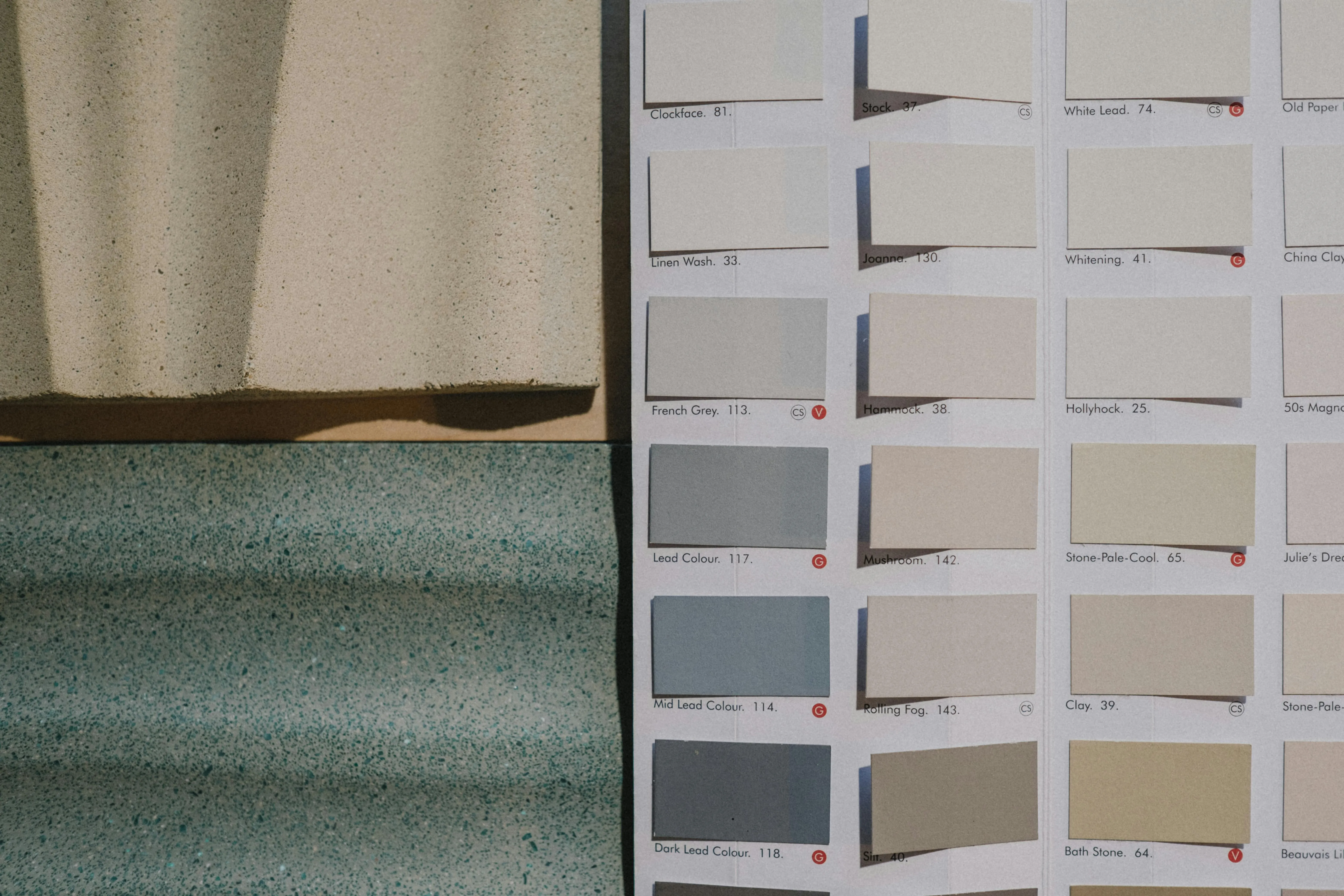
Neutral colors are often used because they are flexible and easy to live with.
Examples include:
- Whites
- Soft greys
- Warm beiges
- Natural wood tones
Neutral colors allow homeowners to change décor over time without needing to renovate again.
2. Simple Cabinet Styles
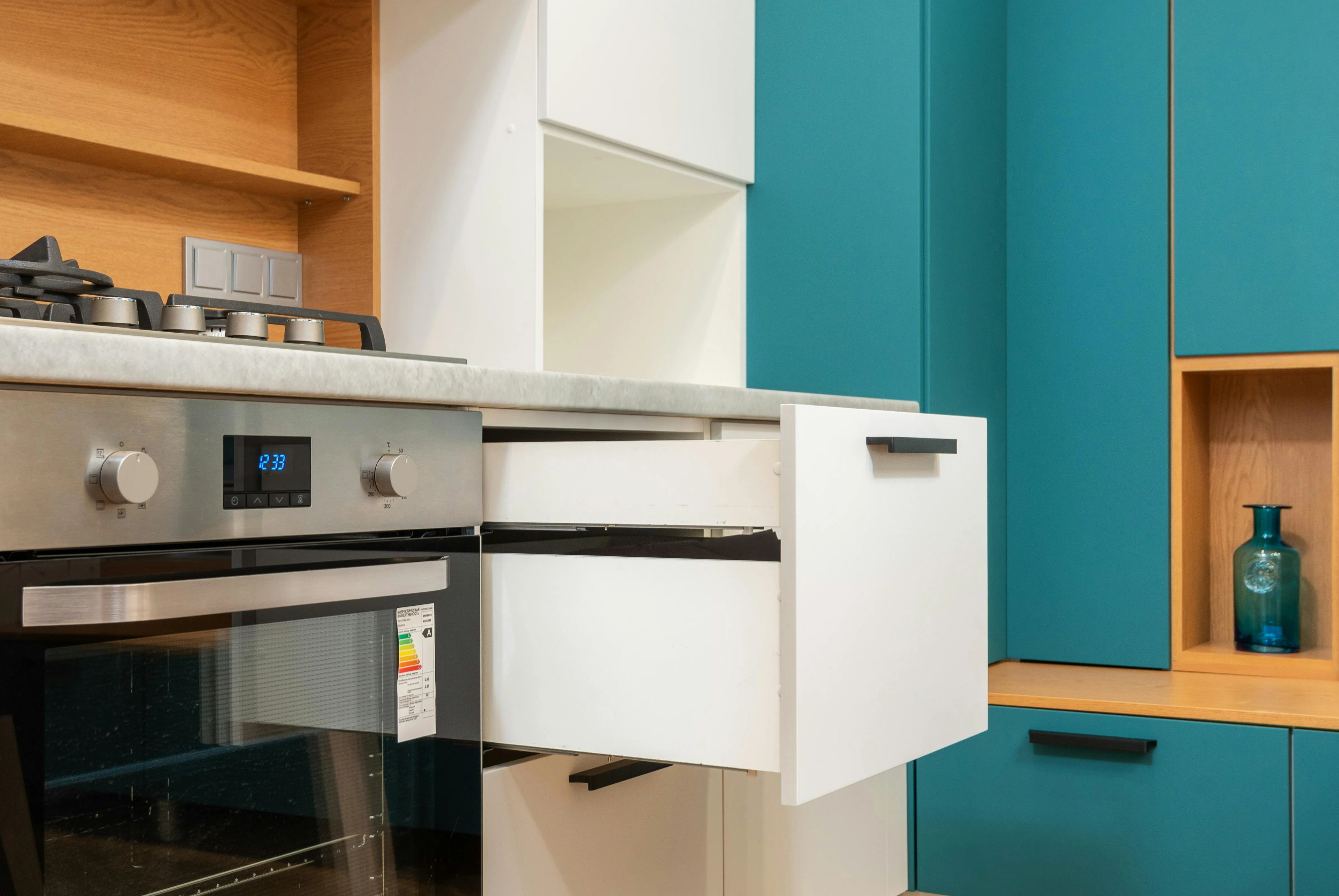
Cabinet style plays a big role in how a kitchen or bathroom looks over time.
Common long-lasting styles include:
- Shaker cabinets
- Flat-panel cabinets
These styles are simple and clean, which helps them stay relevant even as trends change.
3. Quality Materials Over Trendy Finishes
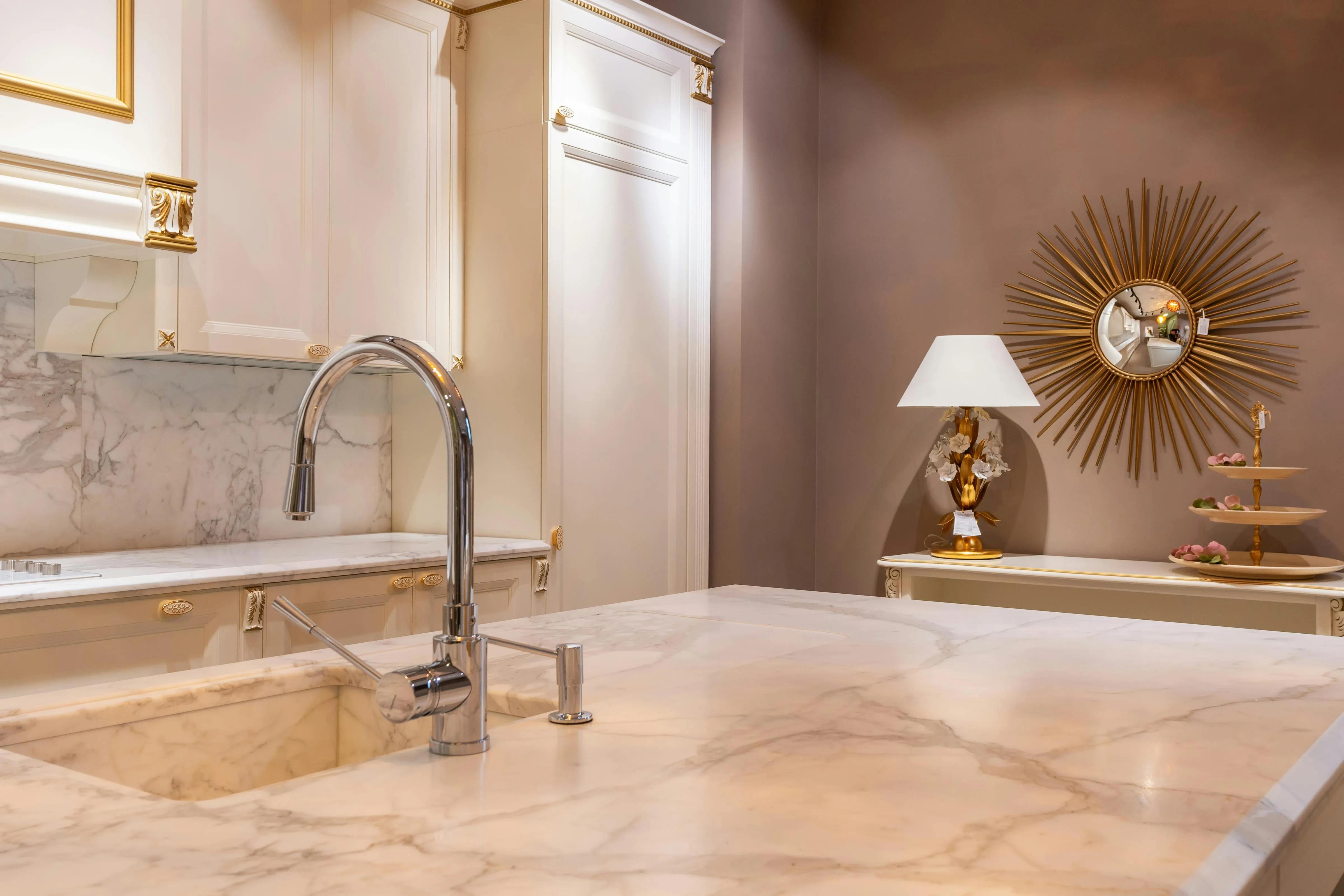
Materials that are known for durability often hold up better over time.
Examples include:
- Quartz countertops
- Porcelain tile
- Solid wood or plywood cabinetry
These materials are chosen not just for appearance, but for how they perform over time.
4. Classic Tile Choices
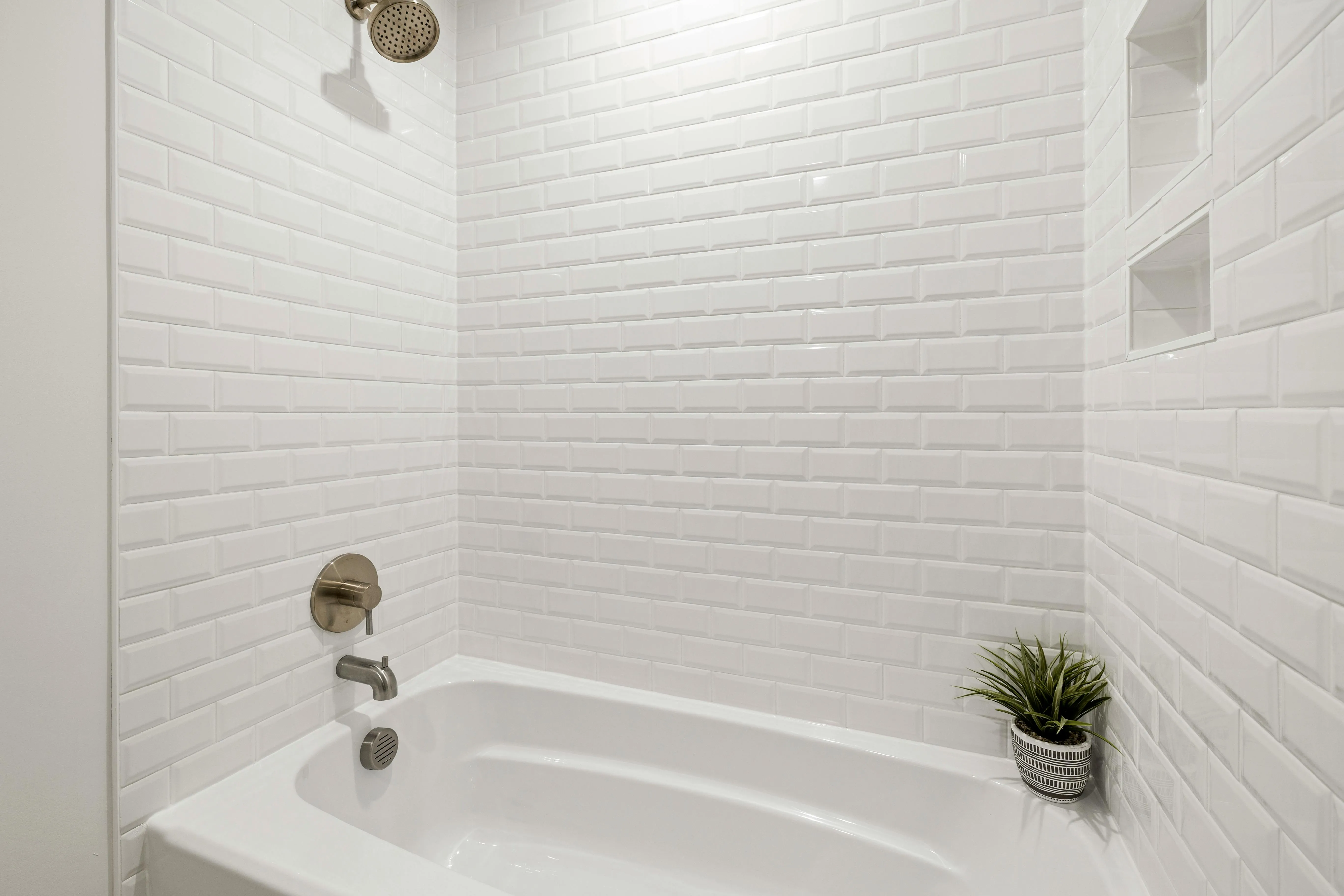
Tile is a major design element, especially in bathrooms and kitchens.
Classic options that tend to age well include:
- Subway tile
- Large-format neutral tiles
- Simple patterns
Highly detailed or bold patterns may feel more tied to a specific trend.
5. Balanced Use of Trends
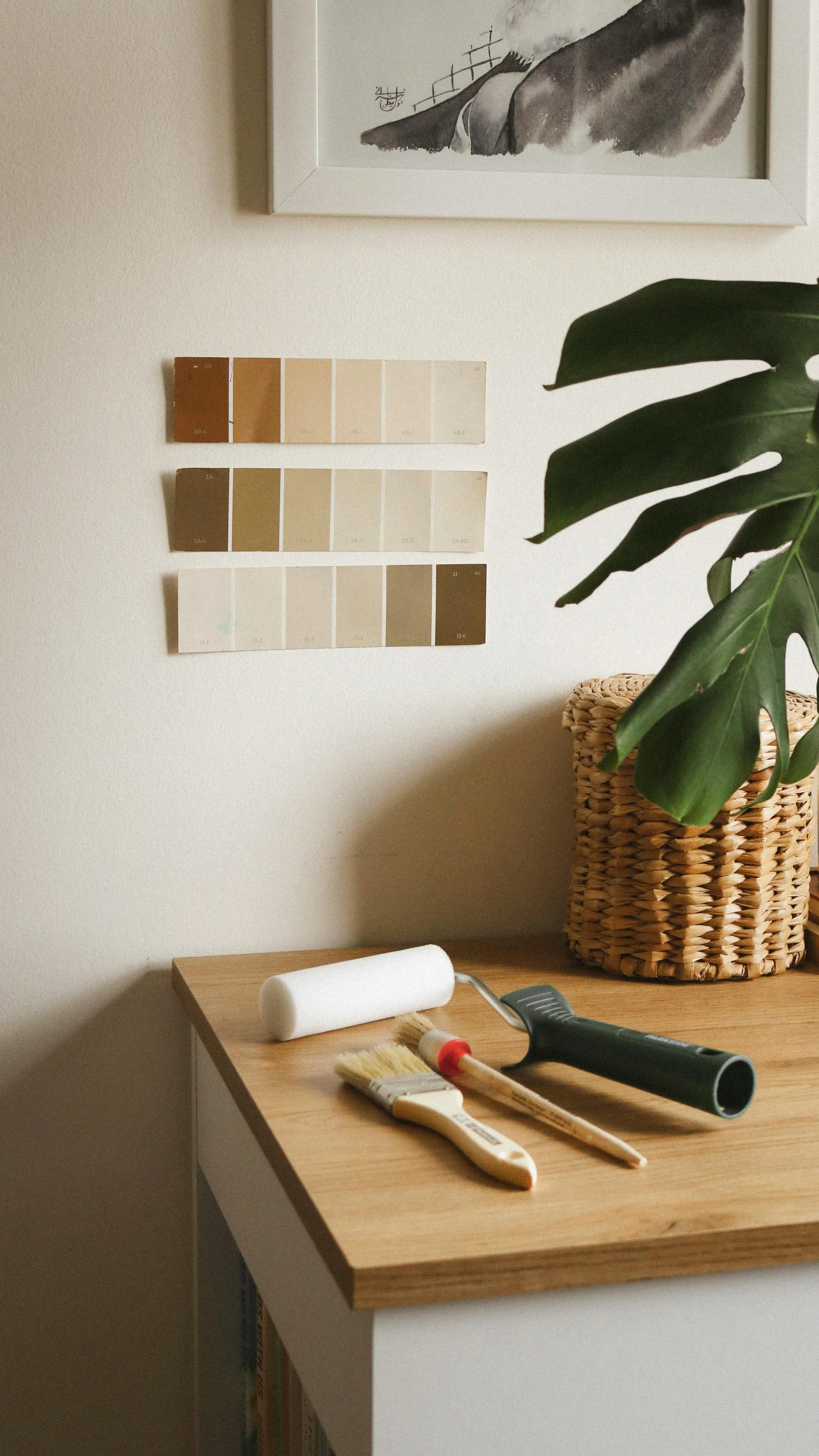
Trends are not always bad, but how they are used matters.
Instead of using trends in permanent features, they are often used in:
- Paint colors
- Light fixtures
- Hardware
These elements are easier to update later without a full renovation.
6. Functional Layouts
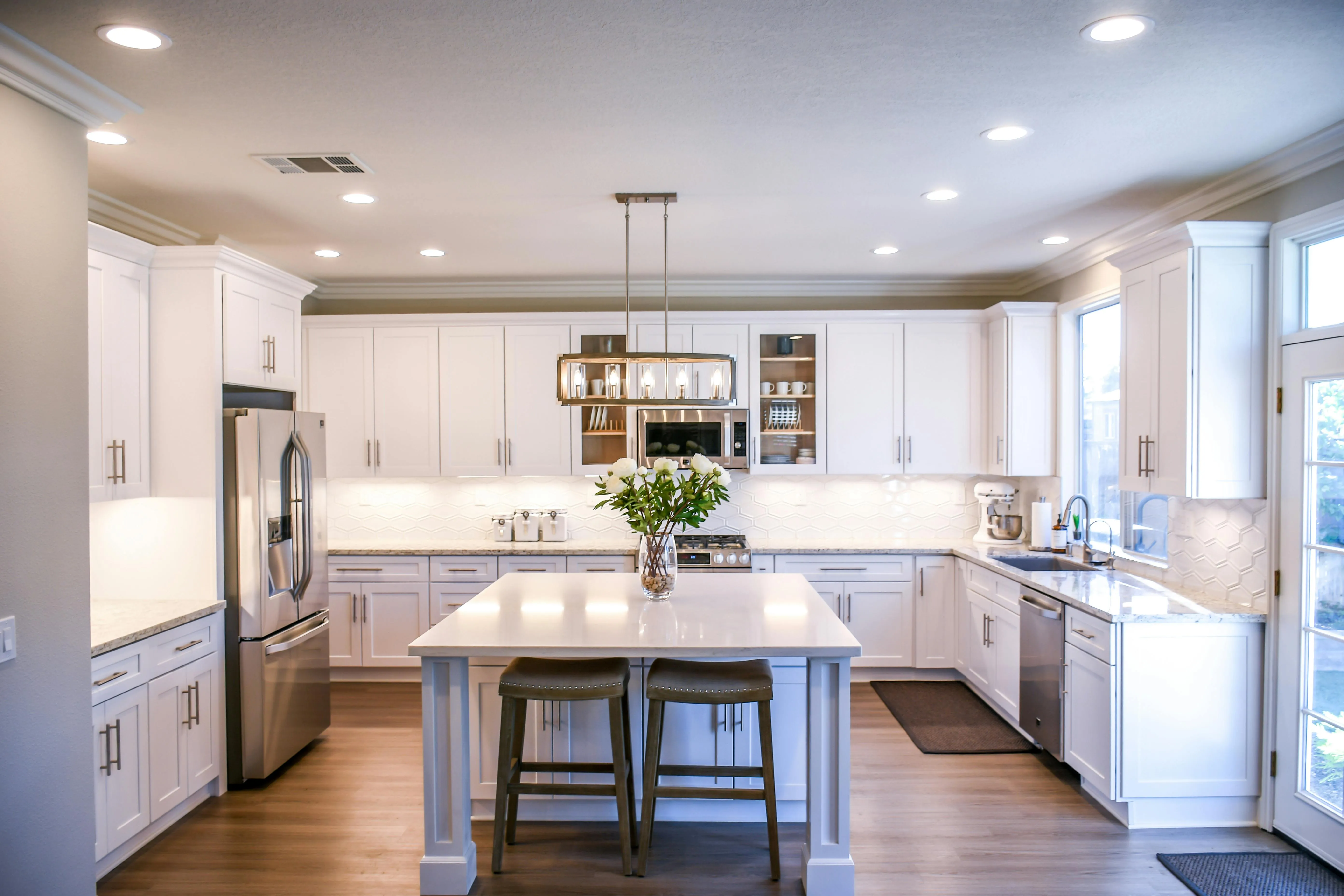
A design that works well is more likely to feel good over time.
Important factors include:
- Good workflow
- Enough counterspace
- Proper storage
A well-functioning space often matters more than how it looks.
7. Timeless Lighting Choices
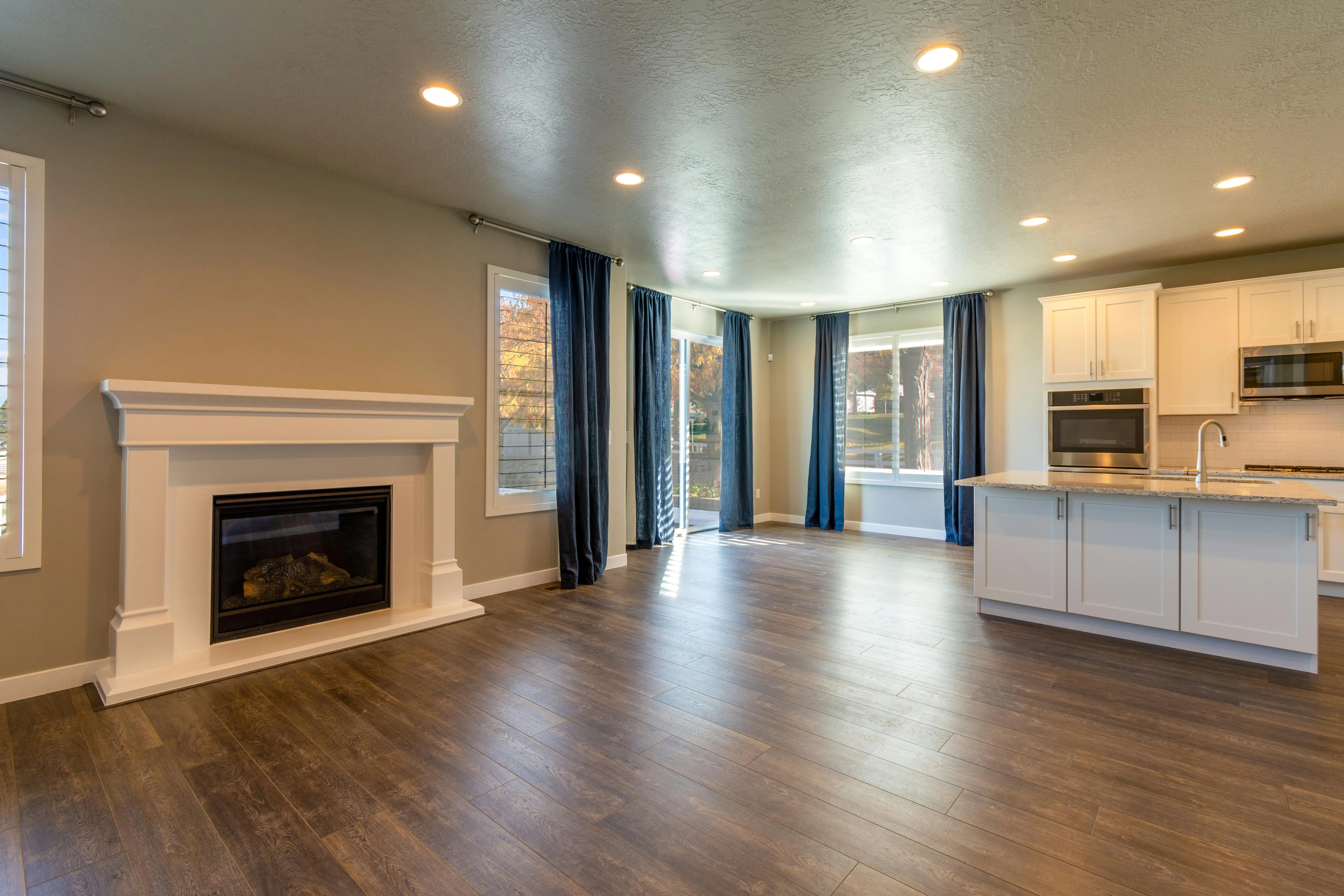
Lighting can affect both function and design.
Simple and clean lighting styles tend to last longer, such as:
- Recessed lighting
- Basic pendant lights
- Neutral finishes
Overly decorative lighting can sometimes feel dated more quickly.
8. Consistency Throughout the Space
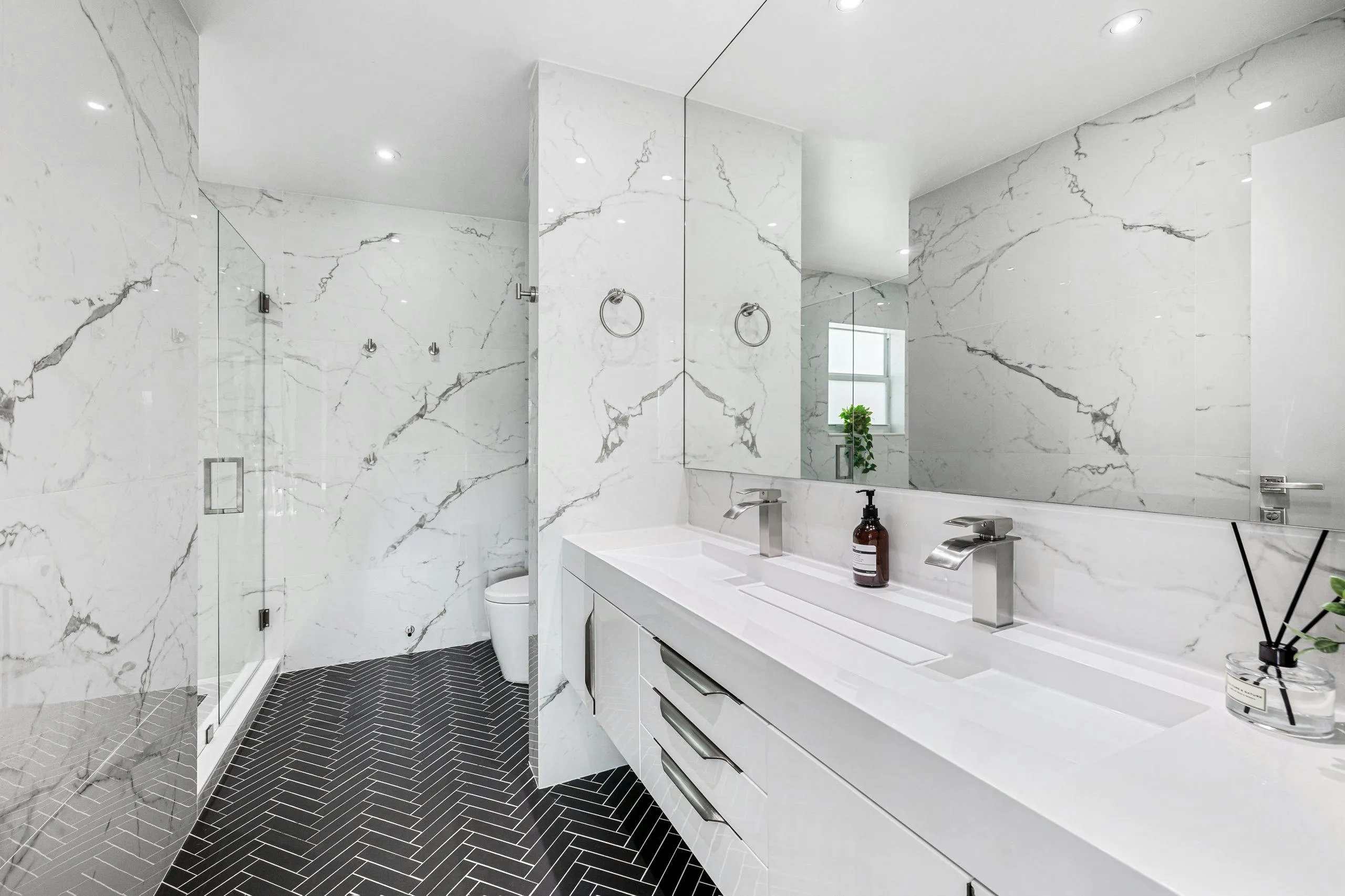
Using too many different styles or finishes in one space can make it feel busy.
Designs that feel more consistent often age better.
This can include:
- Matching finishes
- Coordinated colors
- Simple transitions between materials
9. Avoiding Over-Customization
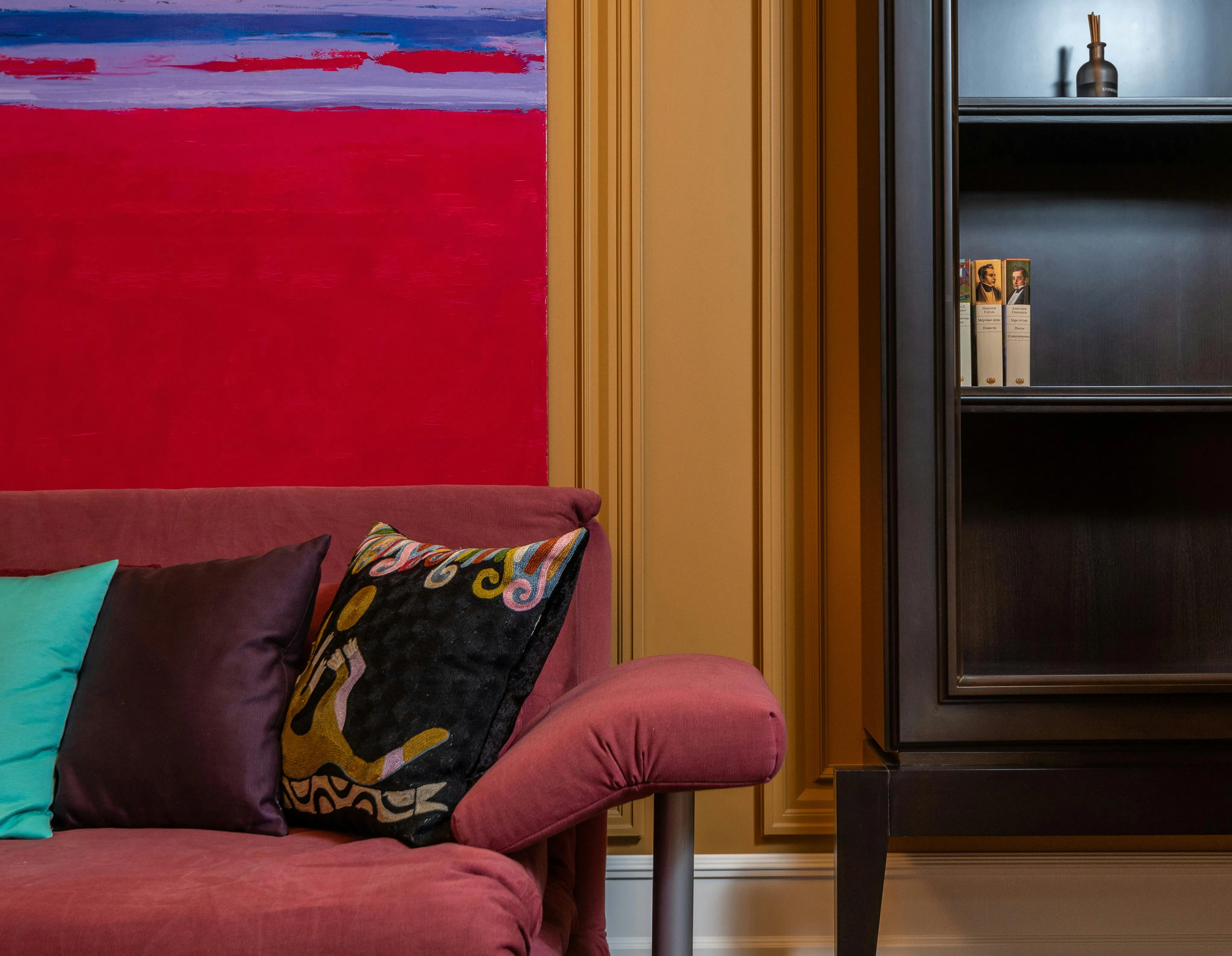
Highly customized designs may reflect personal style, but they may not appeal to everyone over time.
Examples include:
- Very bold colors
- Unique or unusual layouts
- Highly specific design themes
More neutral and flexible designs often have broader appeal.
10. Easy-to-Maintain Finishes
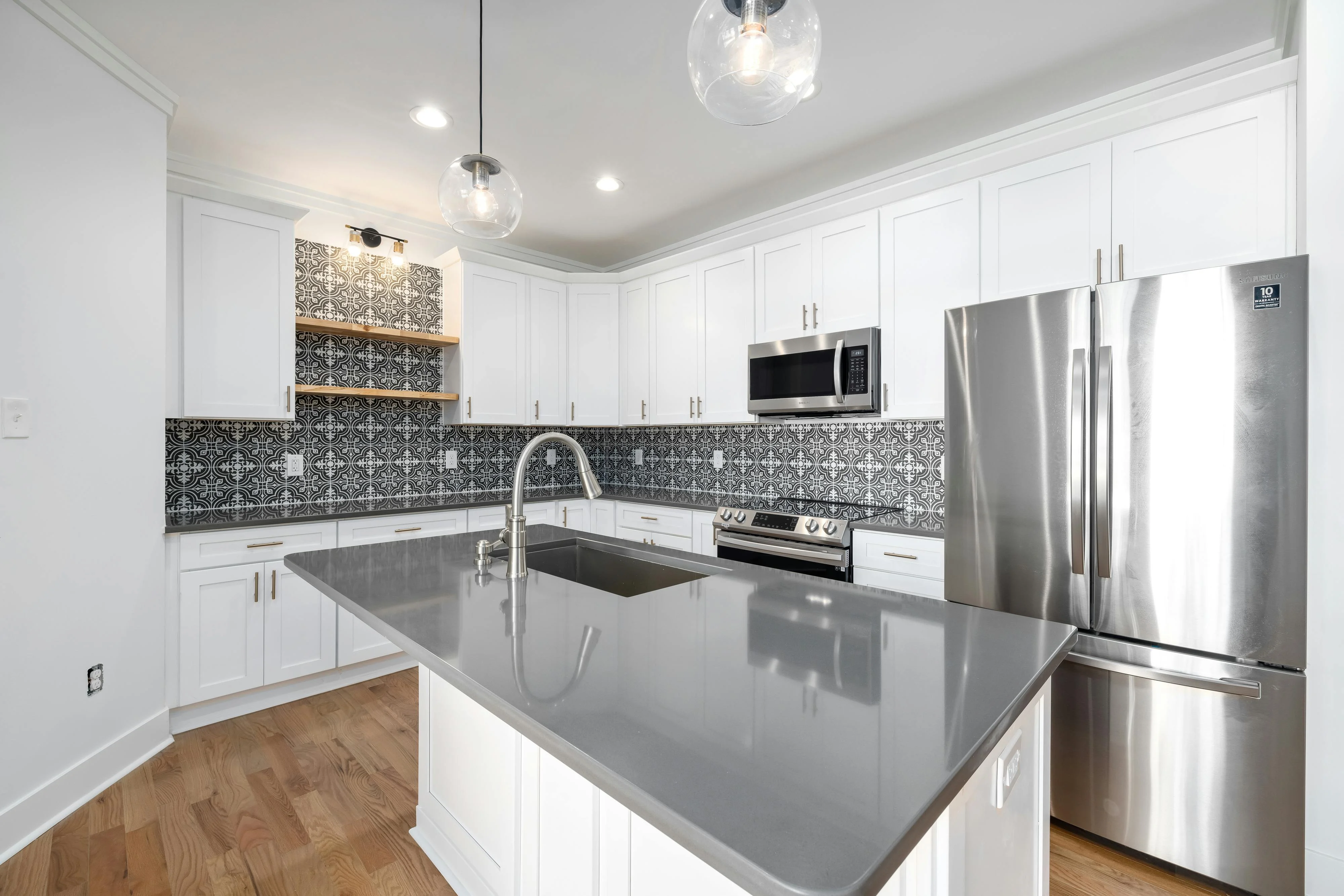
Design choices that are easy to maintain tend to feel better over time.
Examples include:
- Surfaces that are easy to clean
- Durable materials that resist wear
- Finishes that do not show damage easily
Maintenance plays a big role in how a space looks years later.
What Does “Timeless” Really Mean?
Timeless design does not mean plain or boring. It usually means:
- Not tied to a specific trend
- Focused on function and simplicity
- Built with materials that last
A timeless space can still include personality, but it is balanced in a way that allows it to age well.
Final Thoughts
Choosing finishes and design elements that will still feel good in 5 to 10 years often comes down to balance.
Some of the most common long-lasting choices include:
- Neutral colors
- Simple cabinet styles
- Durable materials
- Functional layouts
- Limited use of trends
By focusing on these principles, homeowners can create spaces that continue to feel comfortable and relevant over time.


