Kitchen Coffee Bar Ideas: Surrey & White Rock
Planning a coffee bar in your kitchen renovation? Ideas for built-in stations, plumbed machines, storage, fridges and lighting in Surrey and White Rock homes.
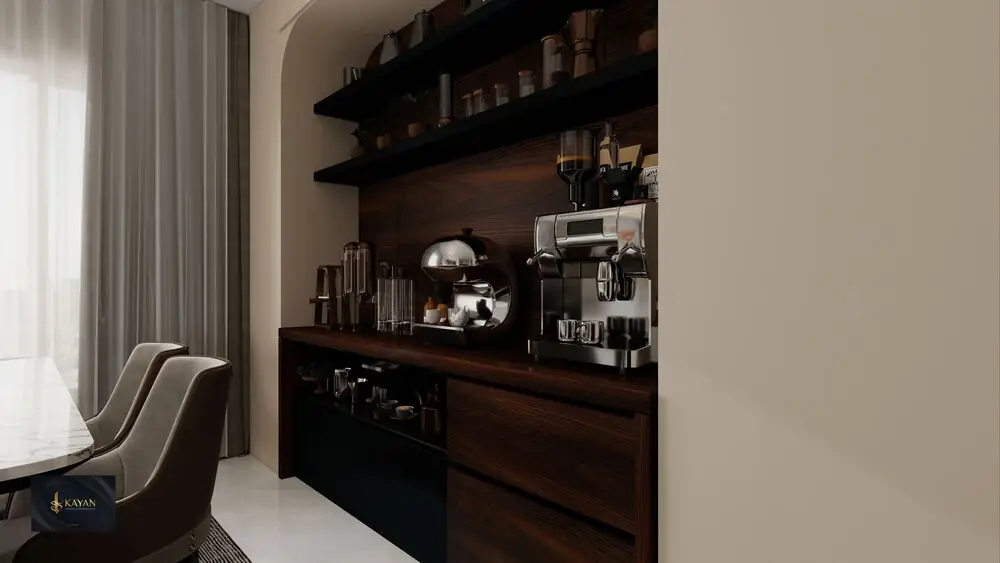
Kitchen Coffee Bar Ideas for Surrey and White Rock Renovations
⏱ Estimated Reading Time: 5–6 minutes
For a lot of households, the day doesn’t start until the coffee is made. Yet in most kitchens, the coffee maker sits wherever there happens to be an outlet, surrounded by mugs, beans, filters, and sugar that spread across the counter by mid-morning. A dedicated coffee bar gives all of that a home. It keeps the main counters clear, gives the morning routine its own space away from the cook, and adds a feature that makes a renovated kitchen feel personal. Here’s how to plan one in a Surrey or White Rock kitchen.
Choosing the Right Spot
The best location for a coffee bar is just outside the main work zone, so someone making a latte isn’t in the way of someone cooking breakfast. The end of a cabinet run, a wall near the breakfast nook or dining area, or one end of an island all work well. Being close to the sink is helpful for filling the reservoir and rinsing cups, and being close to the fridge helps if you take milk. In an open-plan home, a coffee bar positioned toward the living or dining area doubles as a natural spot to serve guests without bringing them into the kitchen.
Open Station or Hidden Behind Doors
There are two main approaches. An open coffee station puts the machine on display on a dedicated stretch of counter, often with open shelving above for mugs and canisters. It’s easy to use and can look great when it’s kept tidy. A hidden coffee bar sits inside a tall cabinet or an upper section with doors that open to reveal the counter, machine, and storage, then close to hide everything when you’re done. Pocket doors that slide back into the cabinet sides are the most practical choice, since they stay out of the way while the station is in use. Our guide to kitchen appliance garages covers how hidden appliance spaces are designed.
Power and Outlets
A coffee bar needs more power than people expect. Espresso machines, grinders, kettles, and milk frothers can all be running at once, and some espresso machines draw enough power to need a dedicated circuit, which an electrician can confirm for your setup. Plan outlets at the back of the counter, ideally several, so cords stay short and tidy. Inside a hidden cabinet, outlets need to be placed where appliances will sit, and heat-producing machines need some airflow. These details are easy to build in during a renovation and frustrating to add afterward.
Plumbed Machines and Water
If you’re serious about coffee, a plumbed-in espresso machine or coffee maker connects directly to a water line, so you never refill a reservoir. Some also need a drain. Running a water line to the coffee bar is simple when it’s close to the sink or planned while the walls are open. A water filter under the counter improves taste and protects the machine. Some homeowners add a small bar sink to the coffee station, which also makes it useful as a drinks or entertaining area.
Storage That Makes Sense
The best coffee bars keep everything you need within arm’s reach. Shallow drawers fitted with dividers hold coffee pods, filters, spoons, and sugar. A deep drawer can store mugs standing upright, which many people find easier than reaching into an upper cabinet. Open shelves above display favourite cups and canisters of beans. A pull-out tray under the machine makes it easy to clean or slide forward to refill. Think about what you actually use every morning, and design the storage around that routine.
Undercounter Fridges and Beverage Centres
An undercounter fridge or refrigerated drawer beside the coffee bar keeps milk, cream, and cold brew right where you need them, so nobody crosses the kitchen to the main fridge. The same space can hold juice, sparkling water, or wine, turning the coffee station into a full beverage centre. Panel-ready undercounter units blend into the cabinetry for a seamless look, and our guide to panelled kitchen appliances covers how integrated appliances work.
Surfaces, Backsplash, and Lighting
Coffee bars see drips, grounds, and hot cups, so durable, easy-to-clean surfaces matter. Quartz counters and a tiled backsplash behind the machine handle spills well. Many homeowners use the coffee bar as a chance to add a different backsplash tile, a contrasting cabinet colour, or a bit of open shelving that sets it apart from the rest of the kitchen. Good task lighting is essential, especially for early mornings, and lighting mounted under the upper cabinets or shelves lights the work surface directly. Our guide to under-cabinet lighting covers the options.
Coffee Bars Beyond the Kitchen
A coffee station doesn’t have to live in the main kitchen. A butler’s pantry, a nook in the dining room, or a primary suite with a small morning station are all popular in larger homes. In a basement suite or guest area, a compact coffee bar gives visitors their own space for a morning cup. The same planning applies wherever it goes: power, water access if you want it, storage, and good lighting.
Final Thoughts
A kitchen coffee bar is a small feature that makes a big difference to daily life. Place it just outside the main work zone, decide whether you want it open or hidden, and plan the power, water, storage, and refrigeration it needs while the kitchen is being designed. Finish it with durable surfaces and good lighting, and your Surrey or White Rock kitchen will have a morning station that keeps the counters clear and makes the first cup of the day a pleasure.


