Mistakes to Avoid When Planning a Kitchen Renovation
Avoid costly errors with your kitchen renovation. Learn the most common planning mistakes, from poor layout and storage to lighting, budget, and ventilation.
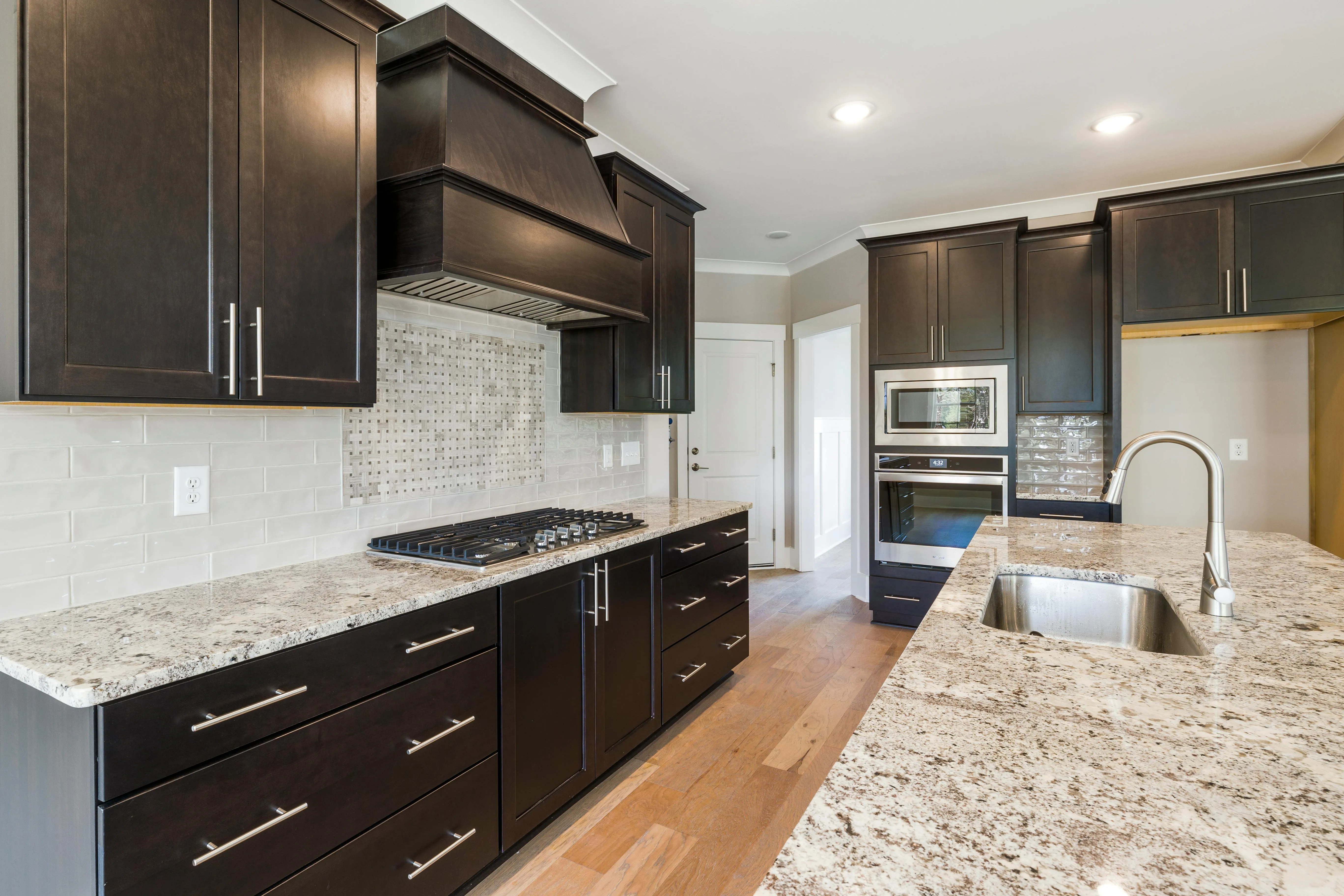
Mistakes to Avoid When Planning a Kitchen Renovation
Planning a kitchen renovation is an important step that affects how your home looks and functions every day. A kitchen includes many parts such as cabinets, appliances, lighting, plumbing, and layout. If planning is rushed or incomplete, it can lead to problems later.
Many renovation issues do not come from poor work, but from mistakes made during the planning stage.
This guide explains common mistakes to avoid when planning a kitchen renovation and why they matter.
1. Not Setting a Clear Budget
One of the first steps in planning a kitchen renovation is setting a budget.
Without a clear budget:
- It becomes harder to choose materials
- Costs can increase quickly
- Decisions may need to change during the project
A budget helps guide choices and keeps the renovation on track.
2. Not Planning the Layout Properly
The layout is one of the most important parts of a kitchen.
Common layout mistakes include:
- Not enough space between cabinets and appliances
- Poor placement of the sink, stove, and refrigerator
- Walkways that are too narrow
- Not a good flow of the kitchen
A well-planned layout makes cooking, cleaning, and moving around easier.
3. Ignoring the Kitchen Work Triangle
The “work triangle” connects the three main areas of a kitchen:
- Sink
- Stove
- Refrigerator
If these are too far apart or too close together, the kitchen may feel uncomfortable to use.
Planning the relationship between these areas can improve how the kitchen functions.
4. Not Planning Enough Storage
Storage is often underestimated in kitchen design.
Without enough storage:
- Counters become cluttered
- Items are hard to find
- The kitchen feels smaller
Planning storage early helps keep the space organized.
5. Choosing Style Over Function
It is common to focus on how the kitchen looks, but function is just as important.
Some design choices may look good but be less practical for daily use.
For example:
- Limited counter space
- Hard-to-clean materials
- Poor cabinet layouts
- Limited storage
A balanced approach considers both appearance and usability.
6. Not Thinking About Lighting
Lighting affects both the look and function of a kitchen.
Common lighting mistakes include:
- Not enough light over work areas
- Relying on a single ceiling light
- Poor placement of fixtures
A kitchen usually benefits from a mix of:
- General lighting
- Task lighting
- Accent lighting
- Dimmable lighting
7. Forgetting About Electrical Needs
Modern kitchens use many appliances and devices.
If electrical planning is not done properly:
- There may not be enough outlets
- Appliances may not have dedicated circuits
- Extension cords may be needed
Planning electrical needs ahead of time helps avoid these issues.
8. Not Considering Appliance Sizes
Appliances come in different sizes, and they must fit within the kitchen layout.
Common mistakes include:
- Cabinets that do not match appliance sizes
- Not leaving enough space for doors to open
- Poor placement that blocks walkways
- Appliances that don't meet your needs
Checking appliance dimensions before installation is important.
9. Underestimating the Timeline
Kitchen renovations involve many steps, including:
- Demolition
- Plumbing and electrical work
- Drywall work
- Cabinet installation
- Countertop installation
- Painting
- Finishing
Each step takes time, and some stages require waiting before moving forward (i.e.; waiting for cabinets, countertops and any special orders).
Planning for a realistic timeline can help reduce stress.
10. Making Changes During Construction
Changing plans after construction begins can lead to delays, extra costs and almost always cause a domino effect.
Changes may affect:
- Materials
- Layout
- Scheduling
Finalizing decisions before work starts can help keep the renovation smoother.
11. Choosing the Cheapest Option Without Understanding Trade-Offs
Lower-cost options may seem appealing, but they can come with trade-offs.
These may include:
- Lower durability
- Shorter lifespan
- More maintenance
- No or short warranties
- Rushed or prolonged projects
Understanding what is included in a quote can help avoid unexpected issues.
12. Not Planning for Ventilation
Kitchens produce heat, smoke, and moisture.
Without proper ventilation:
- Odours may linger
- Moisture can build up
- Air quality may be affected
- Smoke detectors may be set off
Range hoods and ventilation systems help remove these elements from the space.
13. Not Thinking About Daily Use
A kitchen is used many times every day.
Planning should consider:
- Where items are stored
- How people move through the space
- How cooking and cleaning are done
- How often you host
Designing around daily habits can make the kitchen easier to use.
Final Thoughts
Planning is one of the most important parts of a kitchen renovation. Many common problems can be avoided by thinking through the details before work begins.
Important areas to focus on include:
- Where items are stored
- Budget
- Layout
- Storage
- Lighting
- Electrical planning
- Appliances
- Ventilation
By understanding these common mistakes, homeowners can make better decisions and create a kitchen that works well for their needs.


