Porcelain Tile vs Ceramic Tile for Bathroom Floors: Which Is Best?
Compare porcelain vs ceramic tile for bathroom floors, including water resistance, durability, cost, maintenance, and which option suits your renovation best.
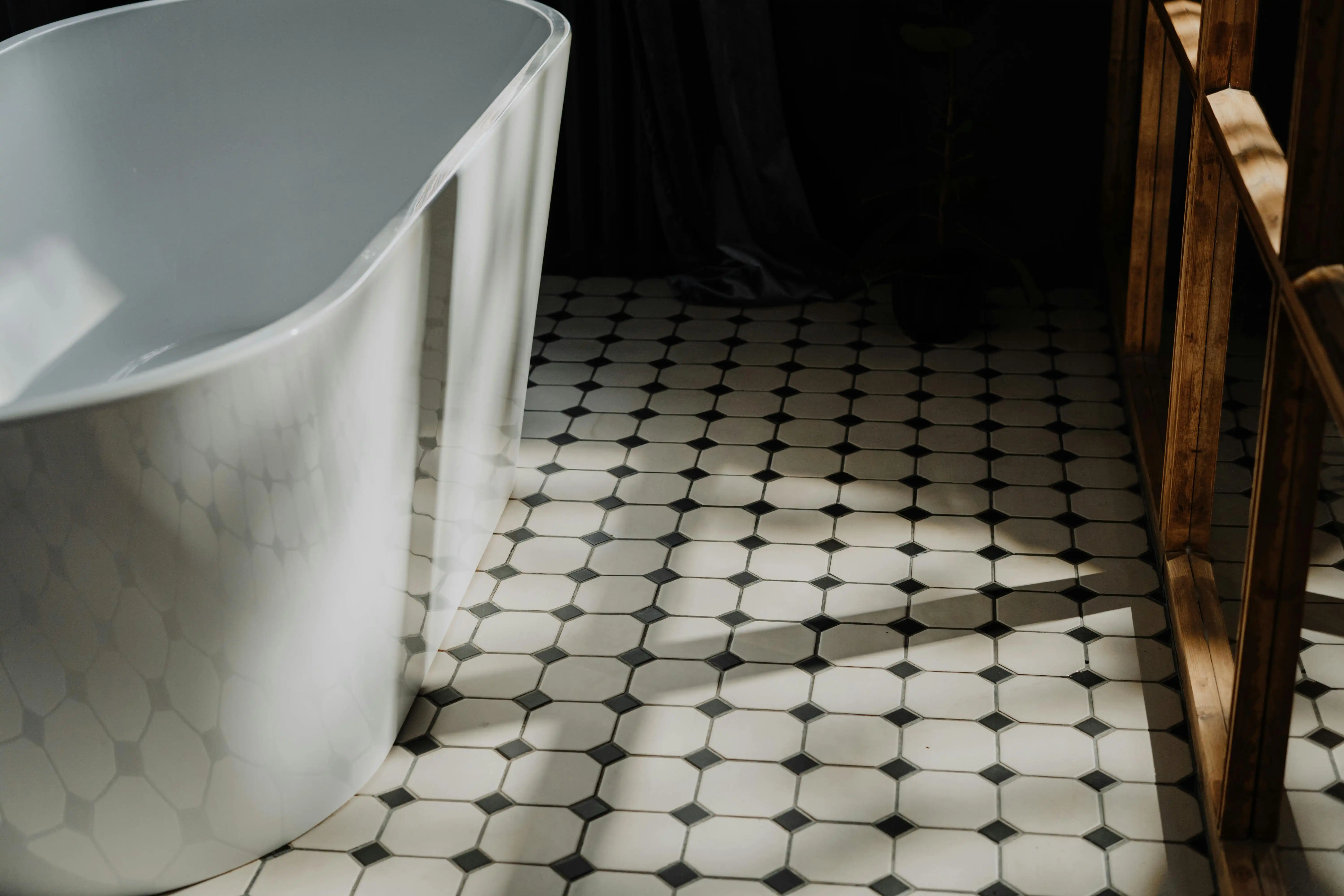
Porcelain Tile vs Ceramic Tile for Bathroom Floors: Which Is Best?
Porcelain and ceramic tiles are two of the most commonly used materials for bathroom floors. While they are closely related, they differ in composition, strength, and water resistance, which can influence how they perform in wet environments.
⏱ Estimated Reading Time: 6–7 minutes
What Is the Difference Between Porcelain and Ceramic Tile?
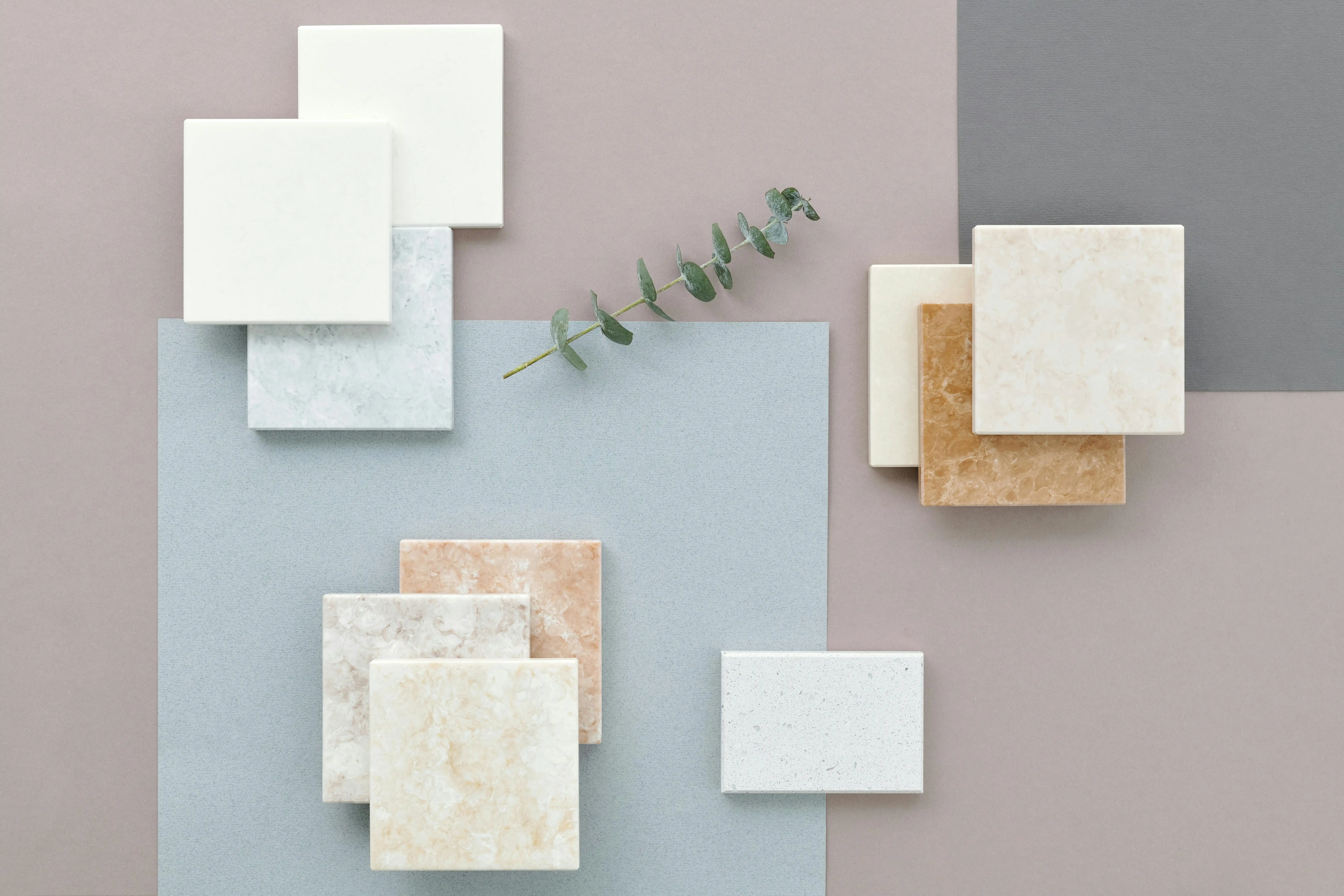
Both porcelain and ceramic tiles are made from clay and fired in a kiln. The main difference comes from how they are manufactured.
Porcelain tile is made using finer clay and fired at higher temperatures. This process makes it denser and less porous.
Ceramic tile is made from a slightly less refined clay and fired at lower temperatures, which makes it more porous compared to porcelain.
Because of this, porcelain is generally considered a more durable and water-resistant material.
Water Resistance and Moisture Performance
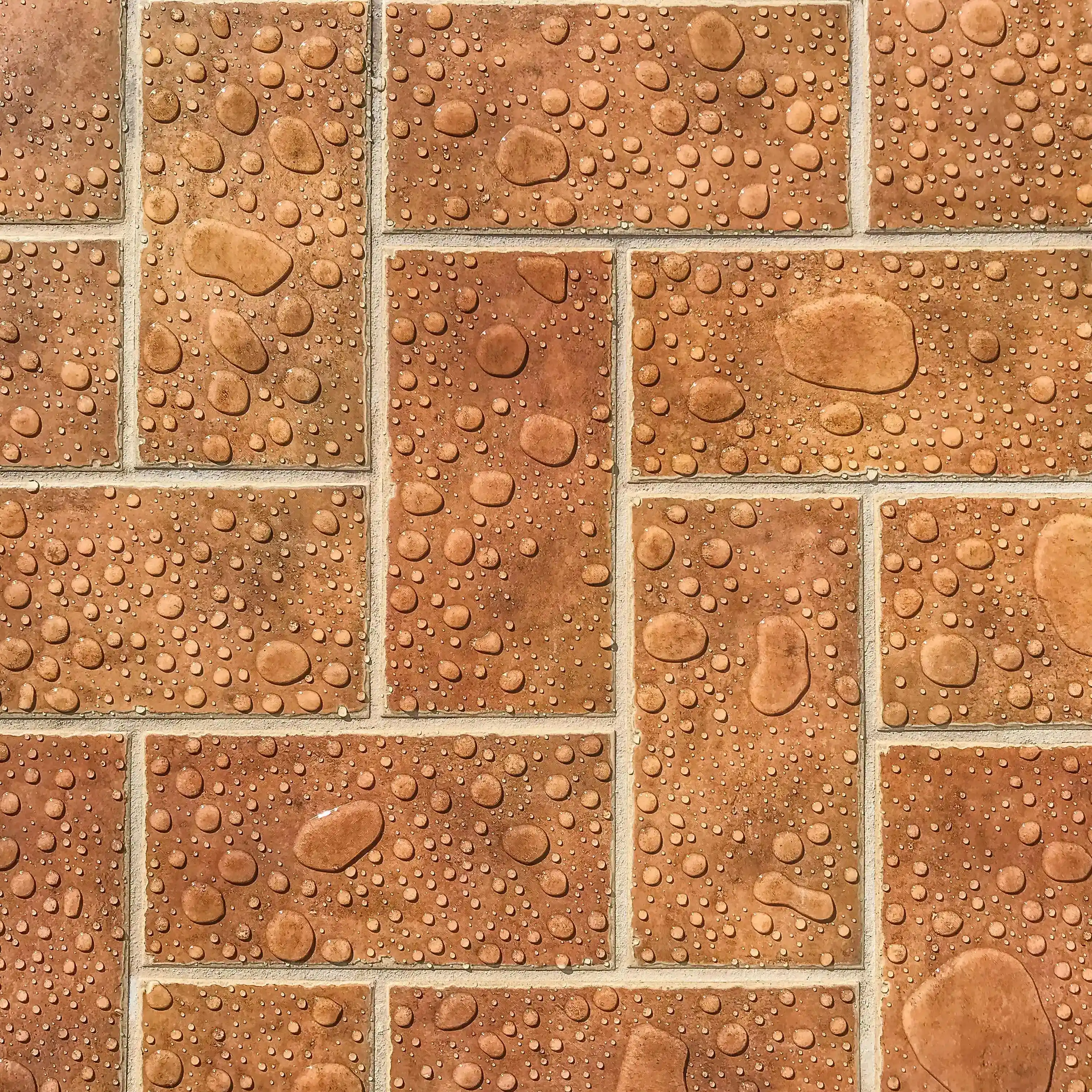
Bathroom floors are exposed to moisture regularly, so water resistance is an important factor.
Porcelain tile has a very low water absorption rate, typically less than 0.5%. This makes it highly resistant to moisture and suitable for wet areas like bathrooms and showers.
Ceramic tile is still water-resistant, but it absorbs more water than porcelain. In most standard bathroom settings, ceramic tile can still perform well, especially when installed and sealed properly.
Durability and Strength
Porcelain tile is known for being harder and more durable. It is less likely to chip or crack under heavy use, which makes it a strong option for high-traffic areas.
Ceramic tile is slightly softer and easier to cut, but it may be more prone to wear over time in busy households.
For bathroom floors that see regular use, durability can be an important consideration.
Maintenance and Cleaning
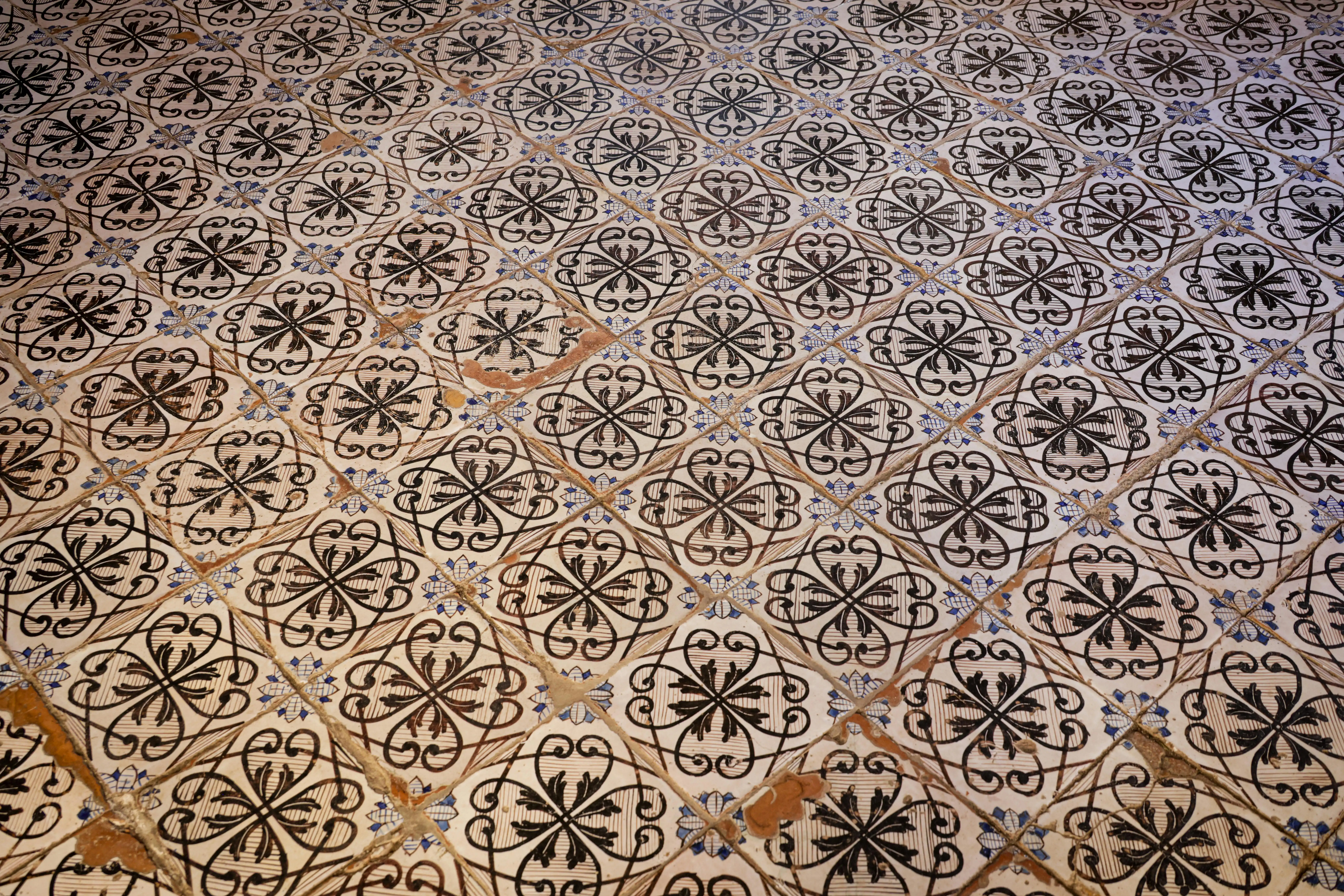
Both porcelain and ceramic tiles are relatively easy to clean.
Porcelain’s dense surface makes it more resistant to stains and moisture, which can simplify maintenance.
Ceramic tile is also easy to maintain, but because it is more porous, it may require a bit more attention over time.
In both cases, grout lines will require regular cleaning and maintenance.
Cost Differences
Ceramic tile is generally more affordable than porcelain tile.
This is because:
- It is easier to manufacture
- It is easier to cut and install
Porcelain tile tends to cost more due to:
- Higher density and durability
- More complex manufacturing process
The difference in cost can vary depending on the style, size, and brand.
Installation Considerations
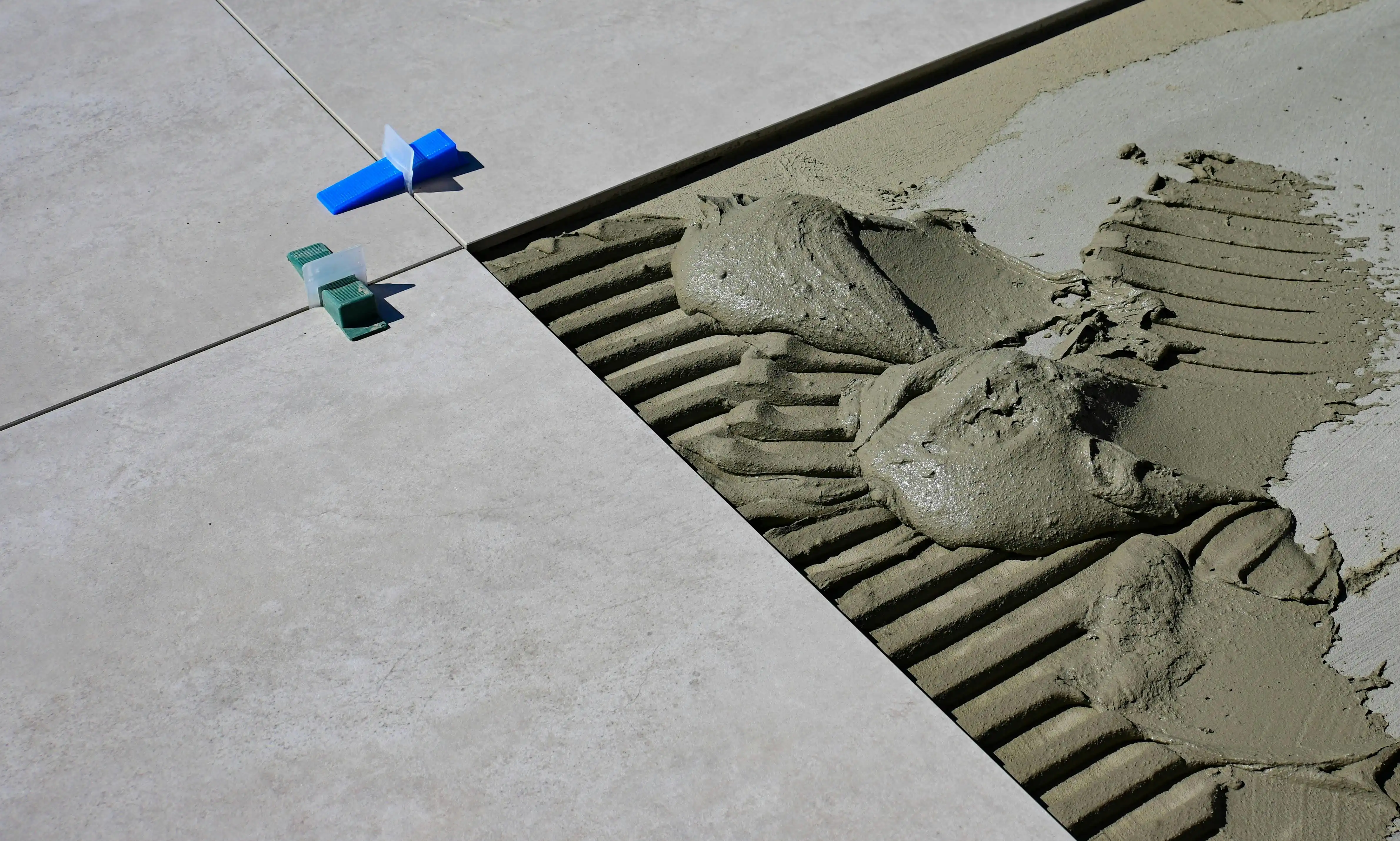
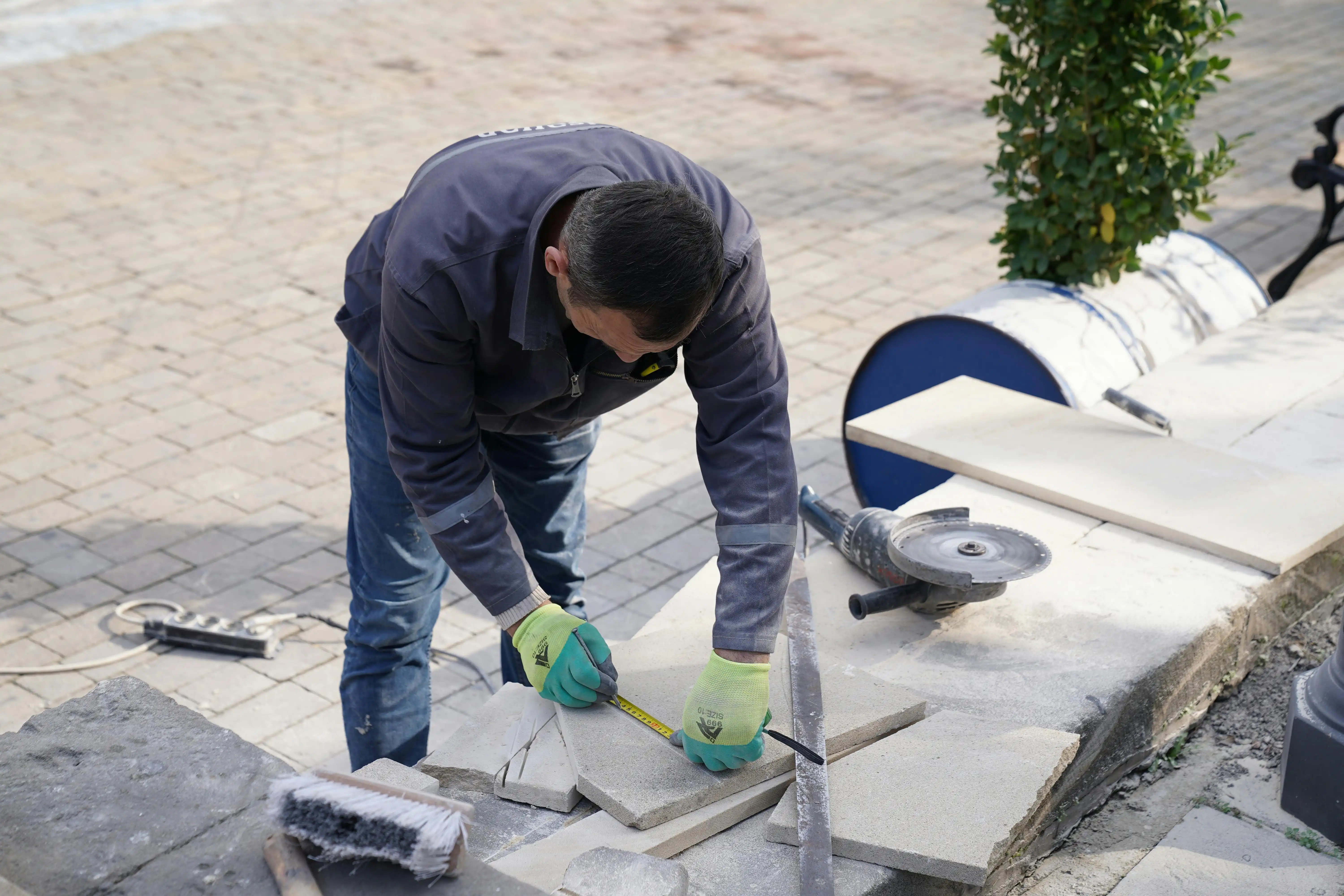
Porcelain tile is harder and denser, which makes it more difficult to cut. This can increase installation time and labour requirements.
Ceramic tile is easier to work with, which can simplify installation.
However, both types require proper installation techniques, especially in wet areas like bathrooms.
Design and Appearance
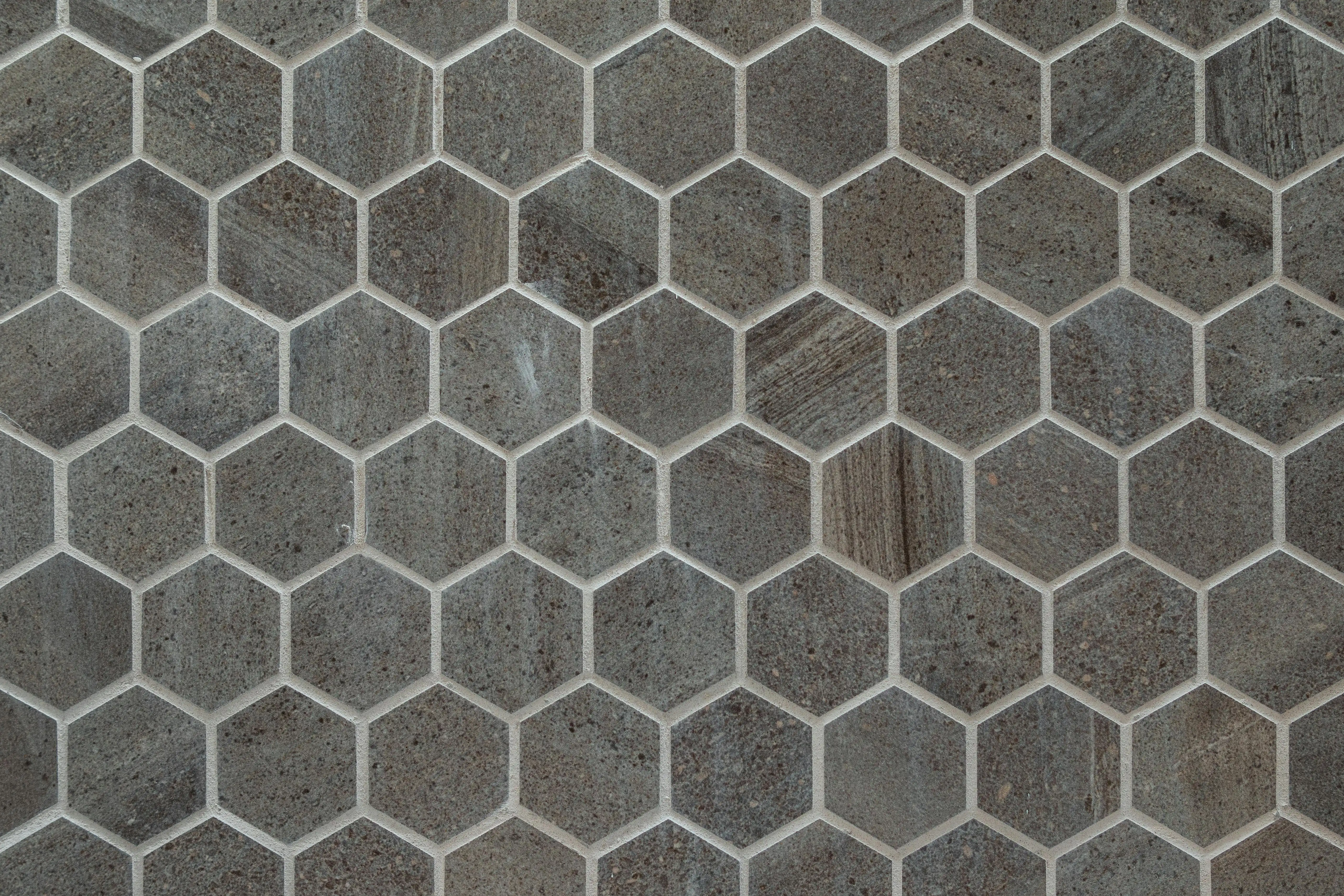
Both porcelain and ceramic tiles come in a wide range of styles, colours, and finishes.
Porcelain tile is often used to mimic materials like:
- Natural stone
- Wood
- Concrete
Ceramic tile also offers many design options and is commonly used for decorative patterns and wall applications.
From a visual standpoint, both materials can achieve similar looks.
Slip Resistance
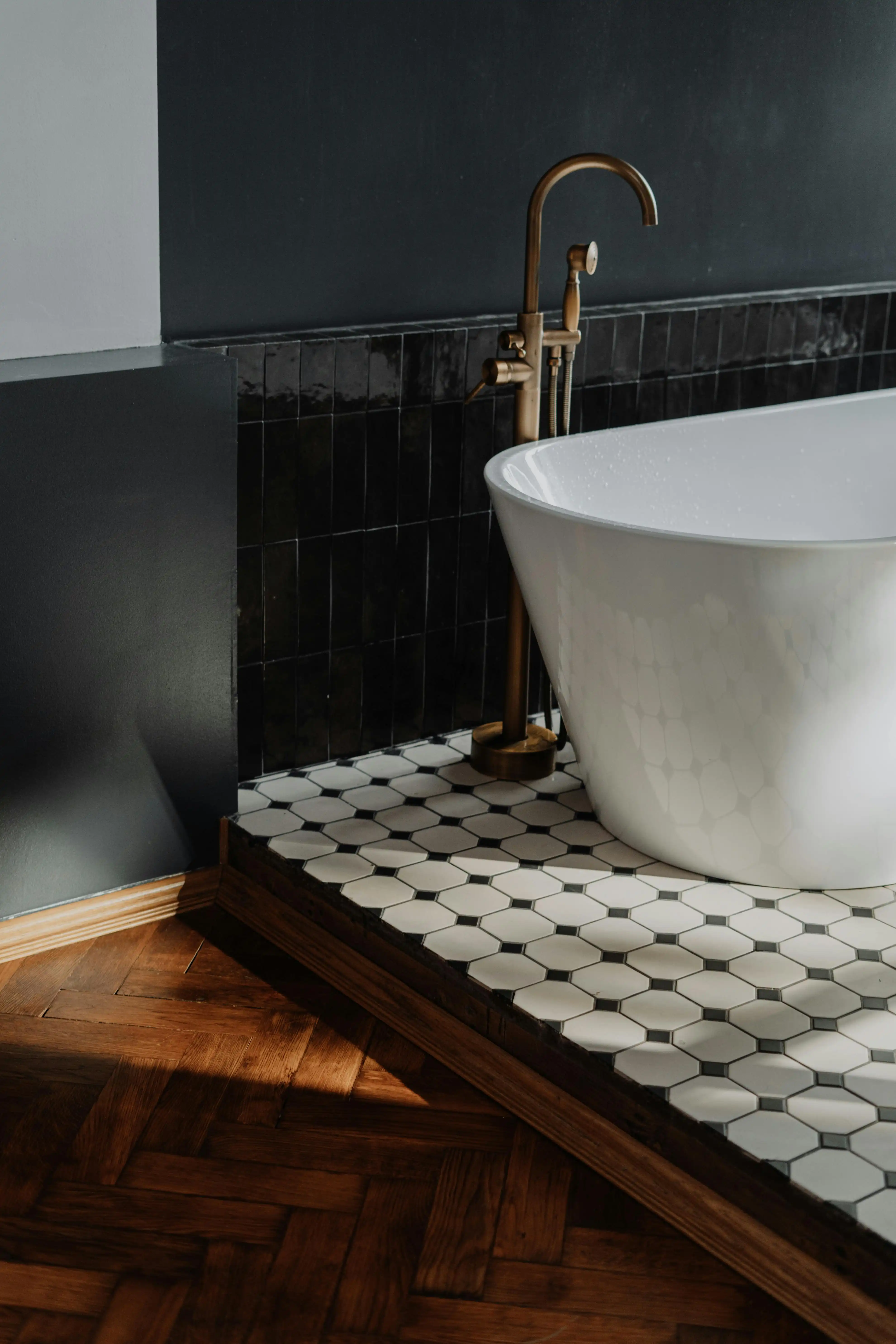
Slip resistance is an important factor for bathroom floors.
Both porcelain and ceramic tiles are available in different finishes, including textured or matte surfaces that provide better traction.
Glossy tiles may look appealing but can be more slippery when wet.
Choosing the right finish is often more important than the material itself when it comes to safety.
When Porcelain Tile May Make Sense
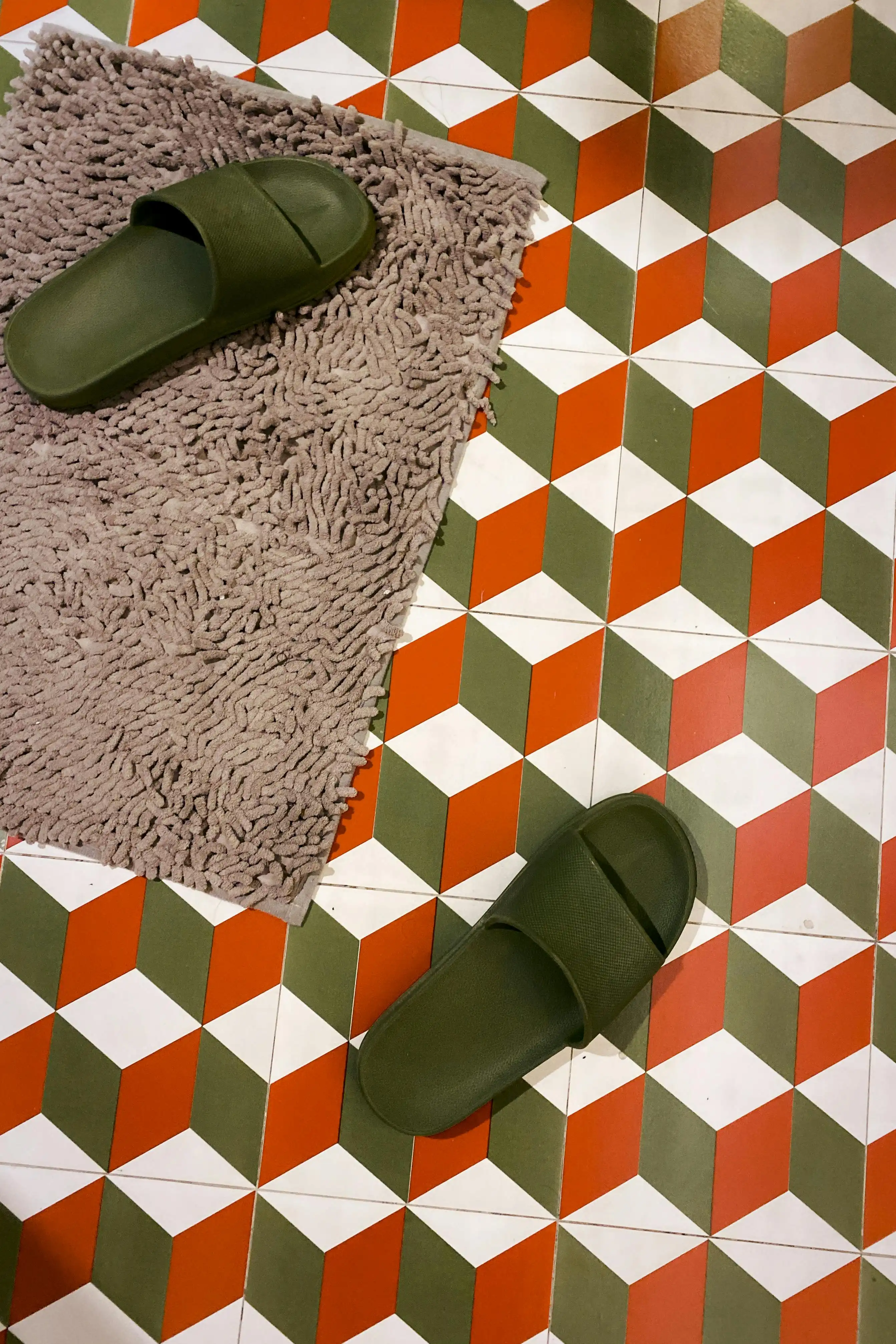
Porcelain tile is often chosen when:
- High durability is needed
- Moisture resistance is a priority
- The bathroom sees frequent use
- A long-lasting material is preferred
When Ceramic Tile May Make Sense
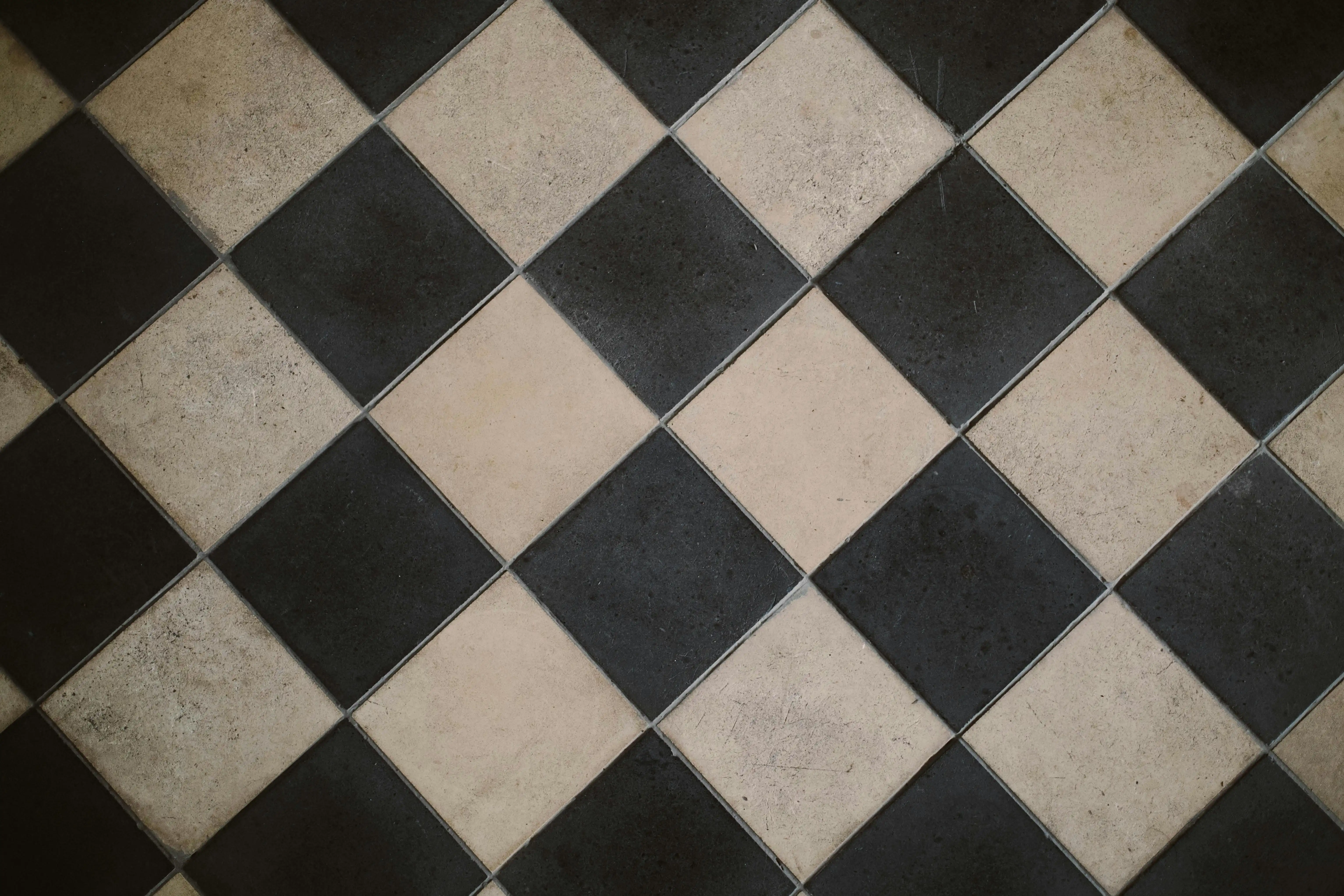
Ceramic tile may be a suitable option when:
- Budget is a key consideration
- The bathroom has lighter use
- Easier installation is preferred
- A wide range of design options is desired
Final Thoughts
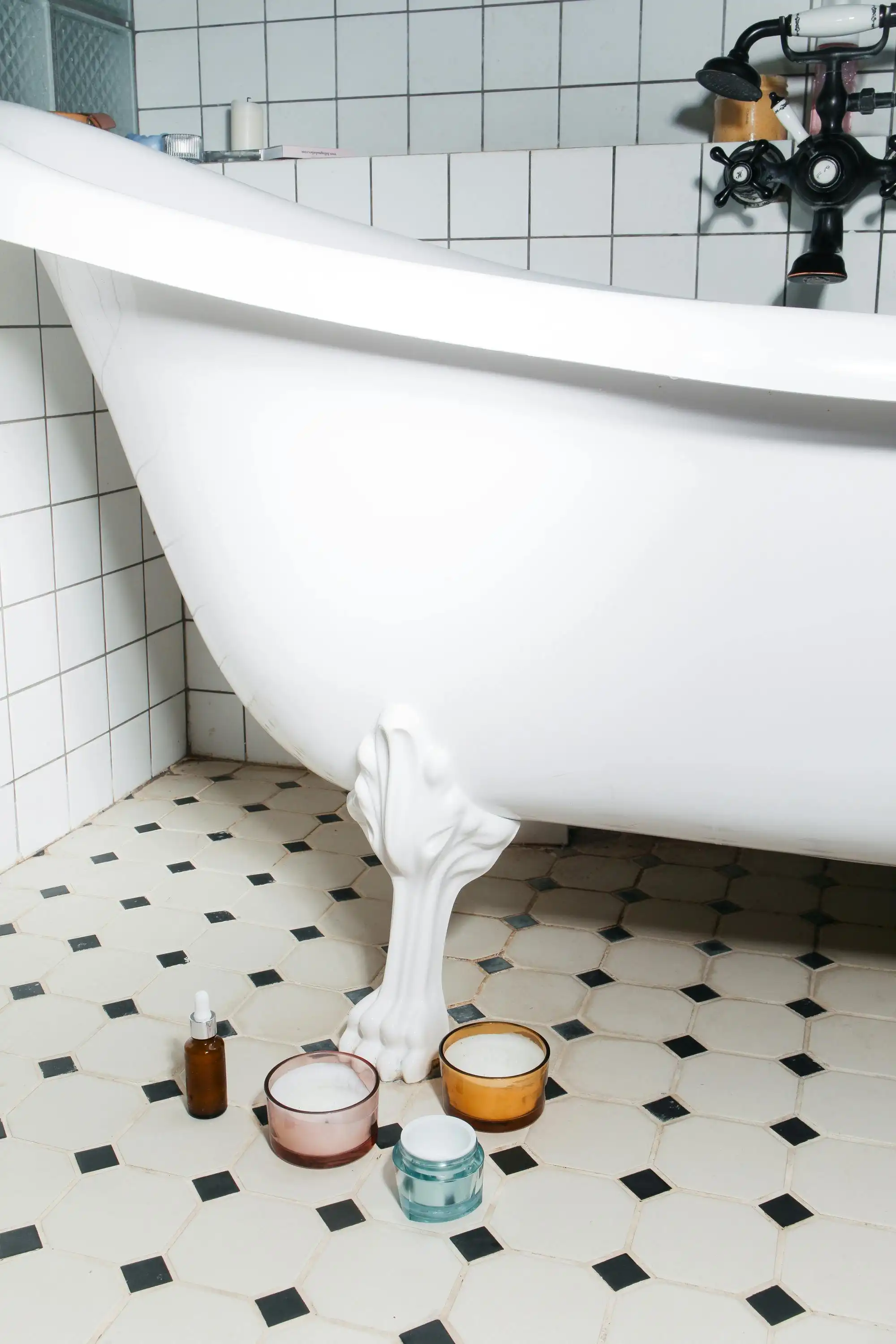
Porcelain and ceramic tiles are both widely used for bathroom floors, and each has its advantages.
Porcelain tile is generally:
- Denser
- More water-resistant
- More durable
Ceramic tile is typically:
- More affordable
- Easier to install
- Still suitable for many bathroom applications
The best choice often depends on the specific needs of the space, including usage, budget, and design preferences.
Understanding these differences can help homeowners make a more informed decision when selecting tile for their bathroom floors.


