Removing a Kitchen Wall in Surrey & White Rock | 2026
Thinking of removing a kitchen wall in Surrey or White Rock? Learn about load-bearing walls, permits, costs, and trade-offs before your renovation begins.
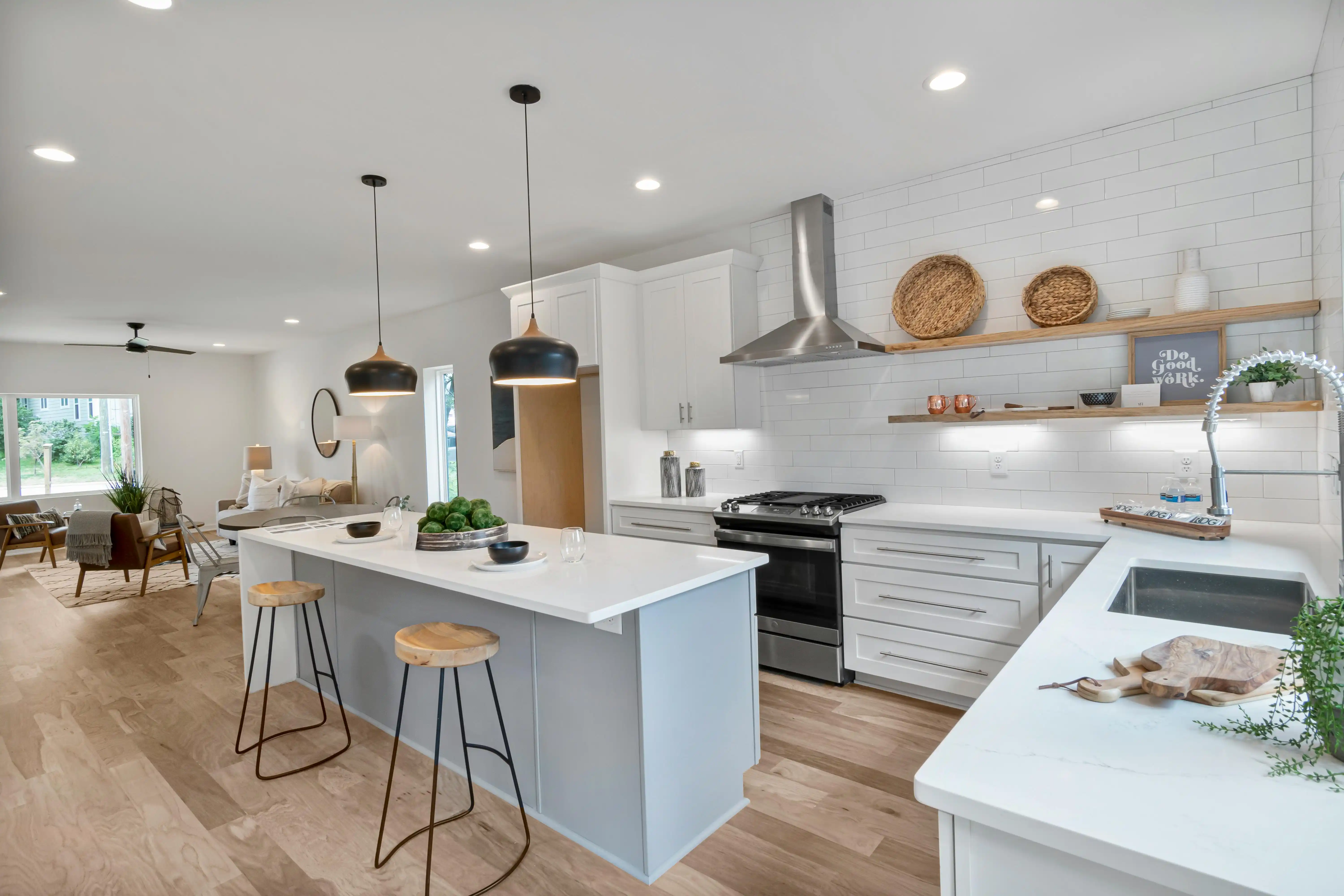
Open Concept or Keep the Walls? What Surrey and White Rock Homeowners Need to Know Before Removing a Kitchen Wall
Thinking about removing a kitchen wall in your Surrey or White Rock home? Here's what homeowners need to know about permits, structural work, costs, and trade-offs.
It's one of the most popular requests contractors in Surrey and White Rock hear from homeowners planning a kitchen renovation: "Can we open this up?" The idea of removing a wall between the kitchen and the living or dining room - creating that bright, open-concept space you see in every renovation magazine - is incredibly appealing. And in many homes, it's absolutely achievable. But it's also one of the most misunderstood renovations when it comes to what's actually involved and what it costs.
Here's an honest look at what removing a kitchen wall in a Surrey or White Rock home really means - before the demo crew arrives.
⏱ Estimated Reading Time: 9–10 minutes
Why Open Concept Is So Appealing - and Why It's Worth Thinking Through
The appeal of open-concept kitchens is genuine. Removing the wall between a kitchen and an adjacent room makes both spaces feel larger, improves natural light flow, makes it easier to supervise children, and creates the kind of connected living space that works well for how most families actually use their homes today.
In the South Surrey and White Rock market, open-concept main floors are a strong selling feature, particularly in the detached home price range where buyers expect modern, liveable layouts. Many of the 1980s and 1990s-era homes throughout Surrey - in Newton, Cloverdale, Fleetwood, and the older streets of South Surrey - have closed-off kitchen layouts that feel dated and cramped by today's standards. Opening them up can genuinely transform how a home lives and how it's perceived by buyers.
That said, "can we remove this wall?" is not a simple yes or no question, and the cost and complexity of the answer depends on one critical factor: whether the wall is load-bearing or not.
Load-Bearing vs. Non-Load-Bearing Walls - Why It Matters So Much
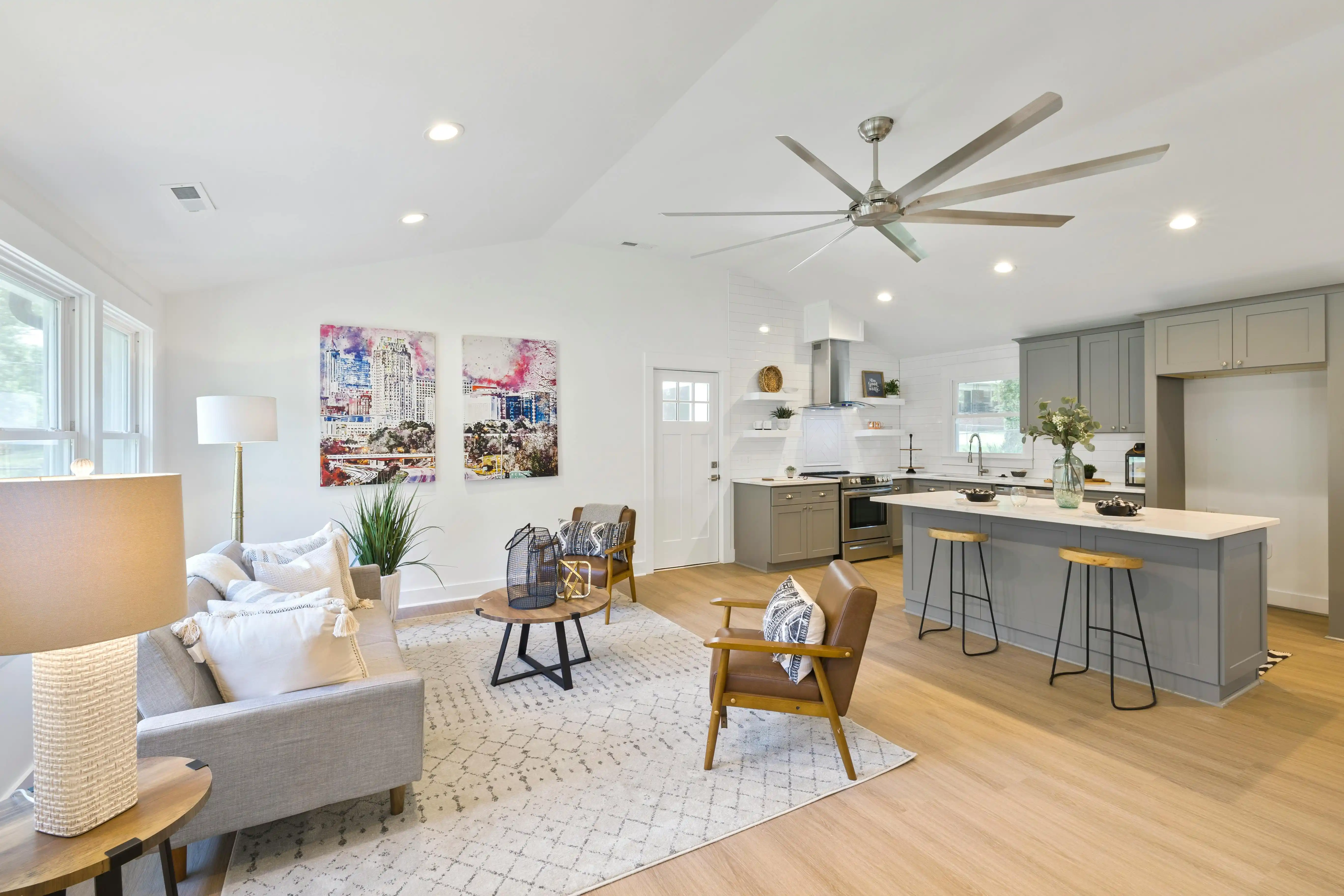
A non-load-bearing wall is exactly what it sounds like: a wall that doesn't carry any structural weight from the floors or roof above. Removing it is relatively straightforward - take it down, patch the ceiling, floor, and adjacent walls, and you're done. In a Surrey or White Rock home where the kitchen wall in question is non-load-bearing, the structural scope is manageable and the cost reflects that.
A load-bearing wall is one that carries the weight of the structure above it - a floor, roof, or both. Removing it is not a matter of simply taking it down. When you remove a load-bearing wall, that weight needs somewhere to go, which means installing a properly engineered beam to span the opening and posts or columns at each end to transfer the load to the foundation. Getting this wrong - or skipping the engineering assessment entirely - creates serious structural safety risks and will be flagged in any future home inspection or sale.
The key question, then, is: which type of wall is the one you want to remove? The answer is not always obvious without a professional assessment. In most single-family homes in Surrey and White Rock, walls that run perpendicular to the floor joists above are load-bearing. Walls that run parallel to the joists often are not - but there are exceptions, and without opening up the ceiling to check, it can be difficult to know for certain.
A structural engineer or an experienced contractor with solid knowledge of BC residential construction will be able to assess this reliably. It is not a step to skip.
What Permits Are Required in Surrey and White Rock?
This is where many homeowners get surprised. Removing a kitchen wall - whether load-bearing or not - almost always requires a building permit in both the City of Surrey and the City of White Rock.
In Surrey, the Building Division requires a permit for any renovation that involves structural changes to a home, and removing or altering interior walls falls squarely into that category. If a load-bearing wall is involved, signed and sealed structural drawings from a registered professional are required as part of the permit application. Surrey's digital permit process typically takes three to six weeks for residential interior renovation permits.
In White Rock, the same principle applies. The City of White Rock requires a building permit for removing, relocating, or altering interior walls, and structural changes require drawings from a registered professional. White Rock permit applications are made by appointment with the Building Division.
Working without a permit on a structural wall removal creates significant problems. The work will need to be disclosed to any future buyer, may require costly remediation before a mortgage lender approves financing on the property, and in the worst cases can result in orders to restore the original structure. Licensed contractors in the Lower Mainland will not perform structural wall removals without the proper permits in place - and if a contractor suggests skipping this step to save time or money, that is a serious red flag.
What Does It Actually Cost in Surrey and White Rock?
The cost of removing a kitchen wall in a Surrey or White Rock home varies significantly based on whether the wall is load-bearing and what's running through it.
Non-Load-Bearing Wall
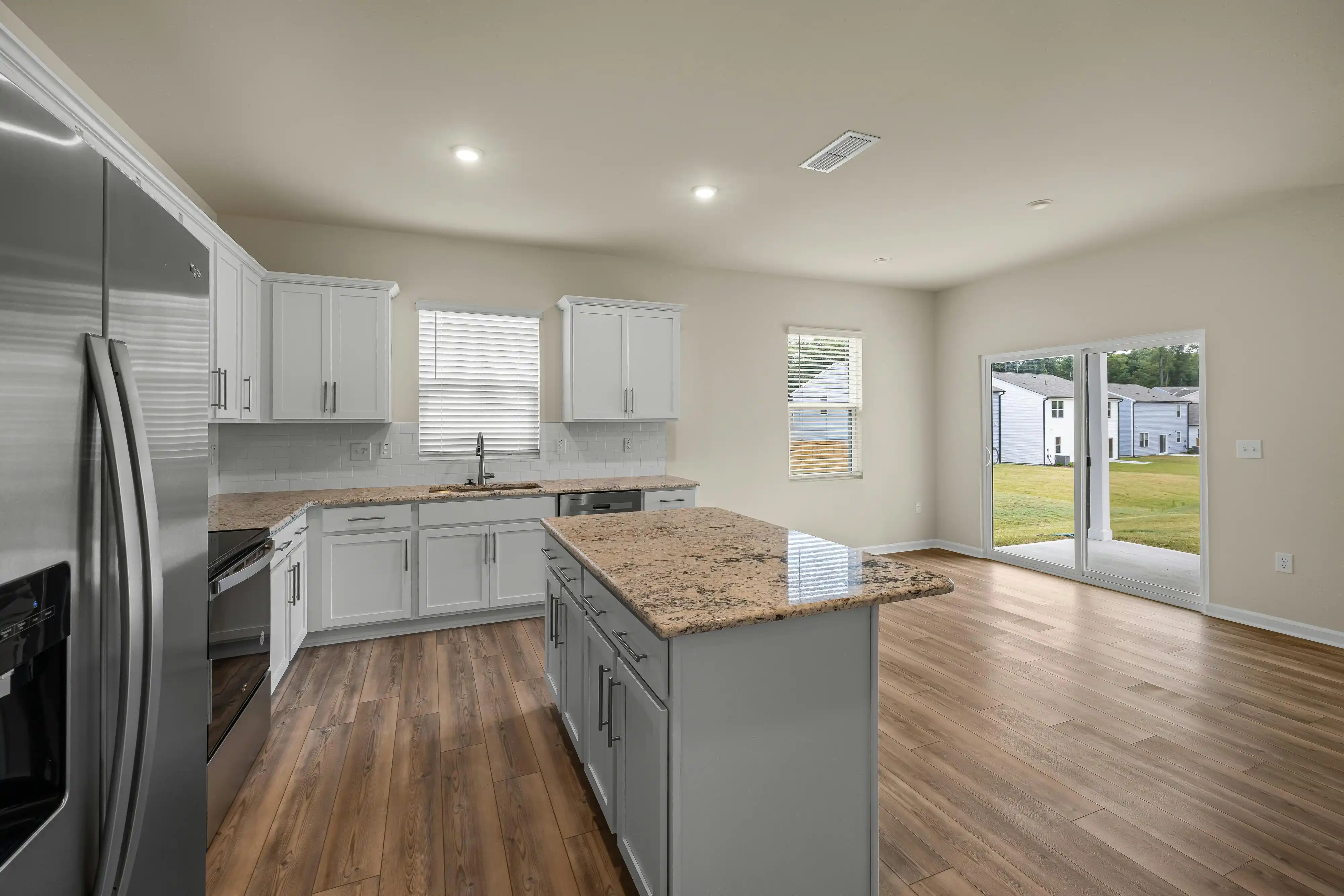
For a non-load-bearing wall with no plumbing, electrical, or HVAC inside it, the total scope - demolition, patching ceiling and floors, finishing, and permit - typically runs $5,000-$10,000 CAD in the Lower Mainland's current labour market.
Load-Bearing Wall
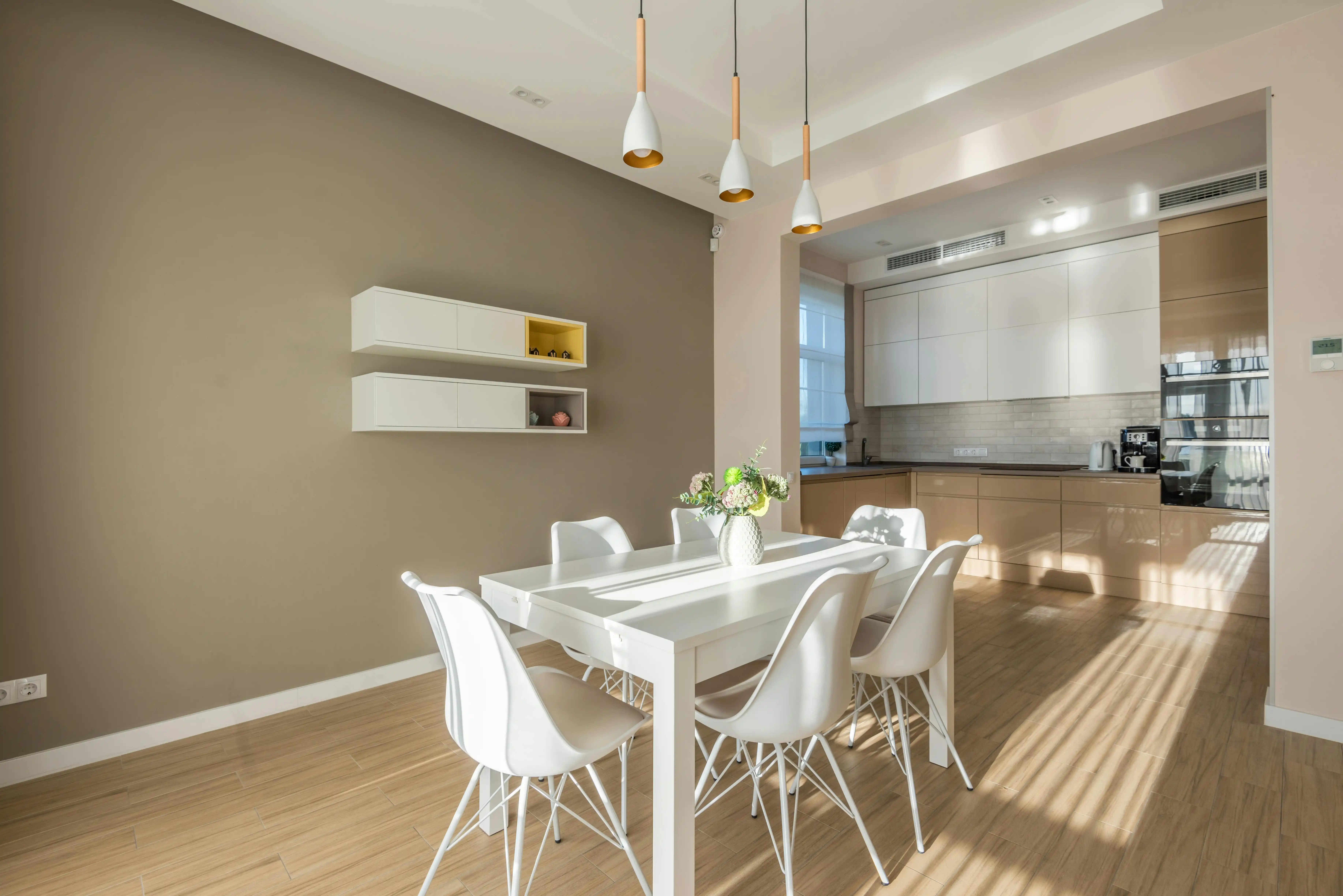
For a load-bearing wall, the costs increase substantially. Once you add the structural engineering assessment, the beam specification and fabrication, installation of the beam and posts, and the associated drywall, finishing, and permit costs, the total typically runs $15,000-$25,000 CAD in Surrey and White Rock, with the higher end reflecting larger spans, more complex structural situations, or homes where the ceiling finish work is more involved.
Walls Containing Plumbing, Electrical, or HVAC
If the wall contains plumbing lines, electrical wiring, or HVAC ducting - which is common in kitchen walls that are adjacent to the sink, range hood, or a forced-air duct run - those trades need to be relocated before the wall comes down. Each of these adds cost: a plumber to relocate supply and drain lines, an electrician to reroute wiring and potentially add circuits, and an HVAC technician to redirect ductwork. These aren't optional - they're required for code compliance and need to be performed by licensed trades.
What Are the Design Trade-Offs?
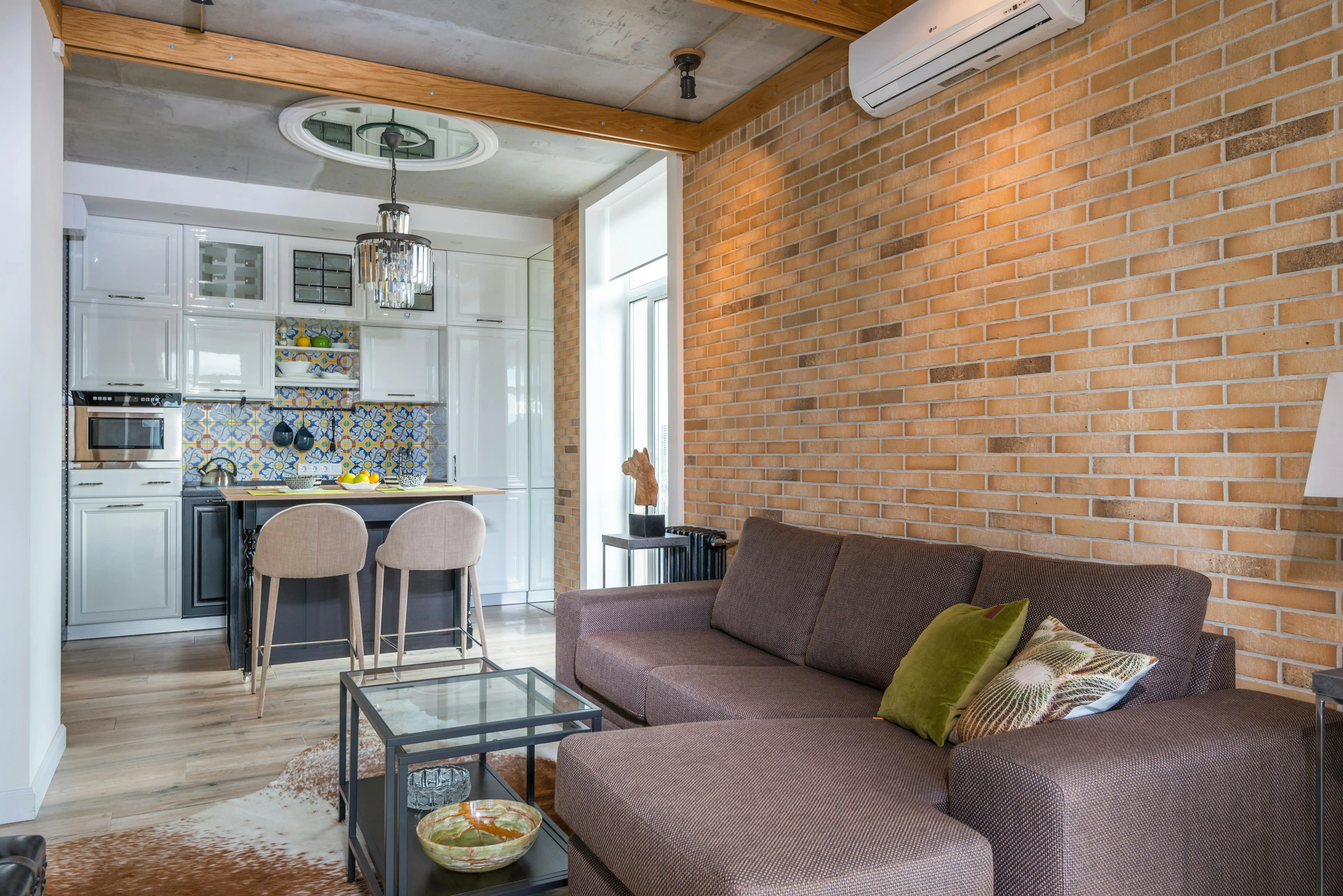
Opening up a kitchen isn't without trade-offs, and it's worth being clear-eyed about them before committing.
Noise and cooking smells now travel freely throughout the main floor. In a fully open-concept space, the sounds and smells of cooking - however good they are in the moment - are part of the living room experience. This works well for some households and is a genuine annoyance for others. Homes where cooking smells are a concern, or where someone works from home on the main floor, sometimes benefit more from a partial opening - a widened doorway or a pass-through - rather than full wall removal.
Storage is almost always reduced. Kitchen walls, especially in older Surrey and White Rock homes, often back onto pantry space, closets, or additional upper cabinet runs. Removing a wall typically means losing some storage, which needs to be planned for in the new kitchen layout.
On the other hand, the benefits are real. Natural light dramatically improves in both spaces. The kitchen feels less isolated and more part of the home's daily life. Sight lines to outdoor spaces often improve. And from a market perspective, open-concept main floors in the South Surrey and White Rock detached home segment are consistently a positive feature at the time of sale.
What About Partial Openings?
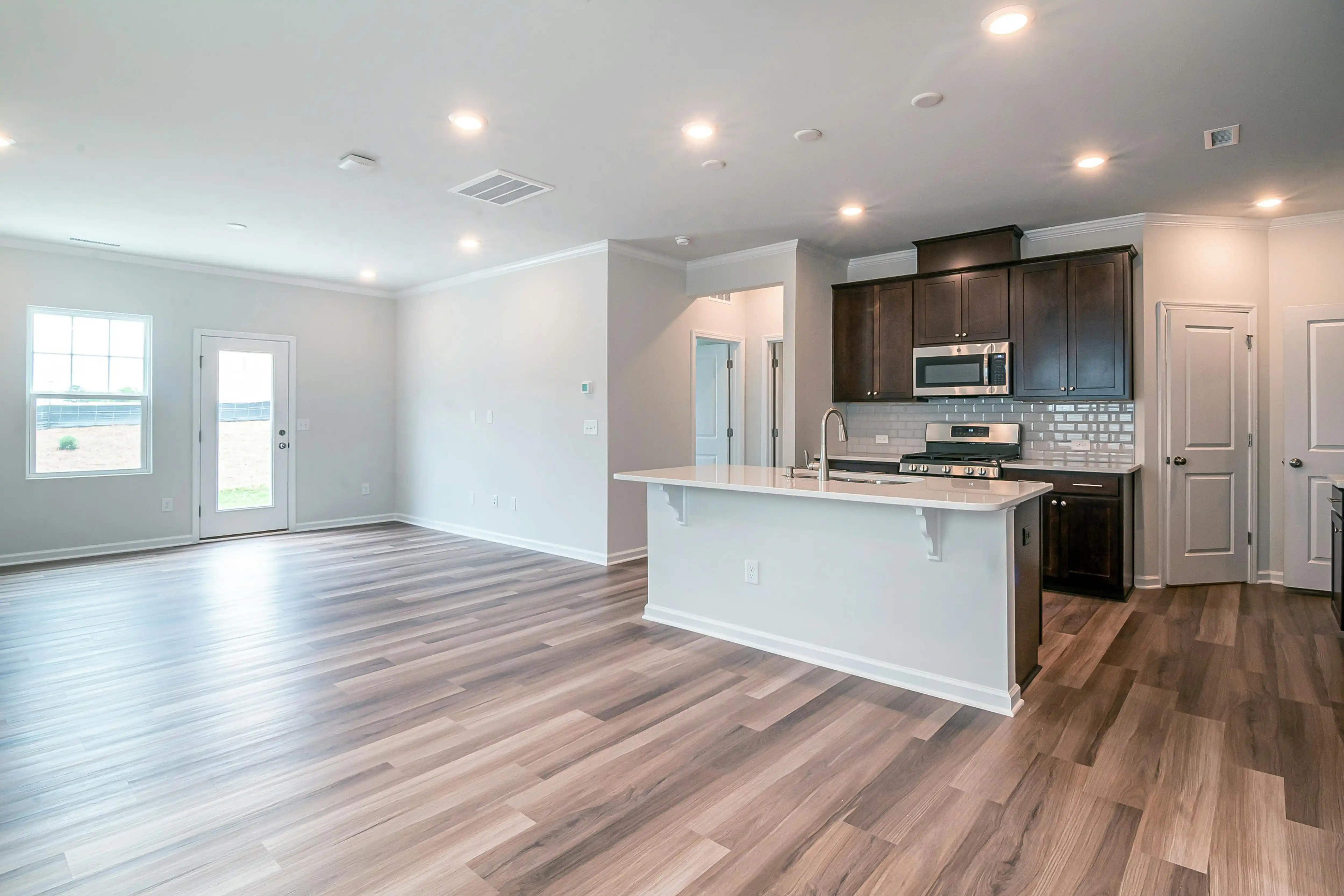
Not every situation calls for full wall removal, and in many Surrey and White Rock homes a partial opening delivers most of the benefit at a fraction of the cost and complexity. Options include widening an existing doorway, creating a pass-through window between the kitchen and dining room, or removing the upper portion of a wall while keeping a lower knee wall that doubles as a breakfast bar or counter surface.
These partial approaches are particularly worth considering when the wall is load-bearing and the full beam installation cost is significant, or when the wall contains plumbing or mechanical elements that would be expensive to relocate.
Final Thoughts
Removing a kitchen wall in a Surrey or White Rock home is achievable, often transformative, and - done correctly - a genuine value-add for both livability and resale. But it requires an honest assessment of whether the wall is structural, proper permits from the City of Surrey or City of White Rock, licensed trades for any plumbing or electrical involved, and a realistic budget that reflects the full scope.
The right starting point is a consultation with an experienced contractor who will assess the wall, identify what's inside it, check the structural implications, and give you a clear picture of what the project actually involves before you commit.


