True Cost of Budget Kitchen Cabinets | Surrey & White Rock
Discover the true cost of budget kitchen cabinets in Surrey and White Rock, from moisture damage and early failure to replacement costs and resale impact.
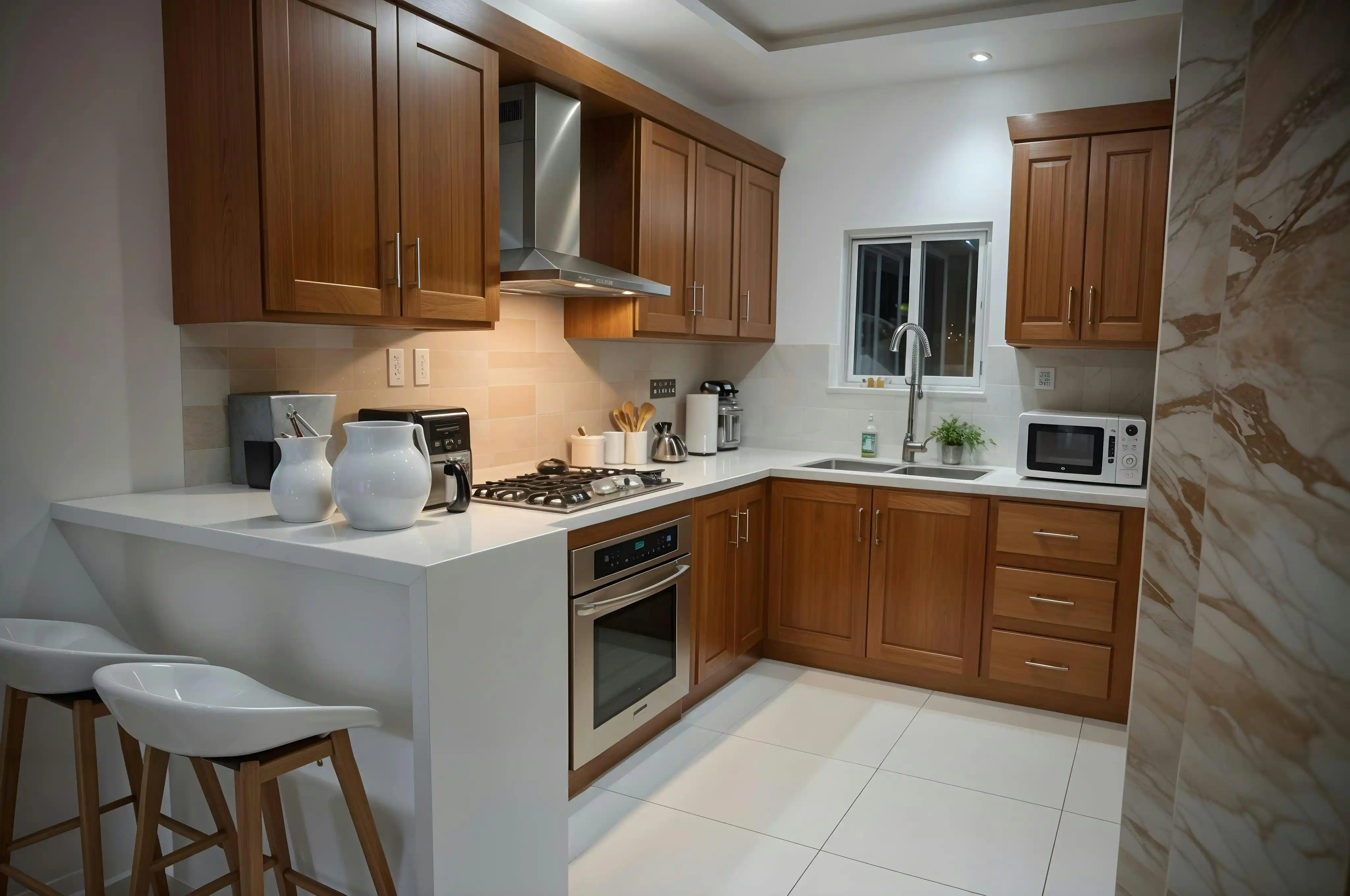
What's the True Cost of Budget Kitchen Cabinets in Surrey and White Rock?
Budget kitchen cabinets look appealing on paper, but what do they really cost Surrey and White Rock homeowners over time? Here's the honest breakdown.
When you're planning a kitchen renovation in Surrey or White Rock and you start getting quotes, it's tempting to look at cabinet options and wonder whether the price difference between a budget and a mid-range option is really worth it. After all, cabinets are cabinets, right? They hold your dishes and close when you push them.
Not quite. The real cost of budget cabinets isn't always visible on the day of installation; it tends to show up over the years that follow. This post breaks down what's actually different between budget and quality cabinetry, and what that difference means for your kitchen, your wallet, and your home's value in the South Surrey and White Rock market.
⏱ Estimated Reading Time: 8–9 minutes
What is a "Budget" cabinet?
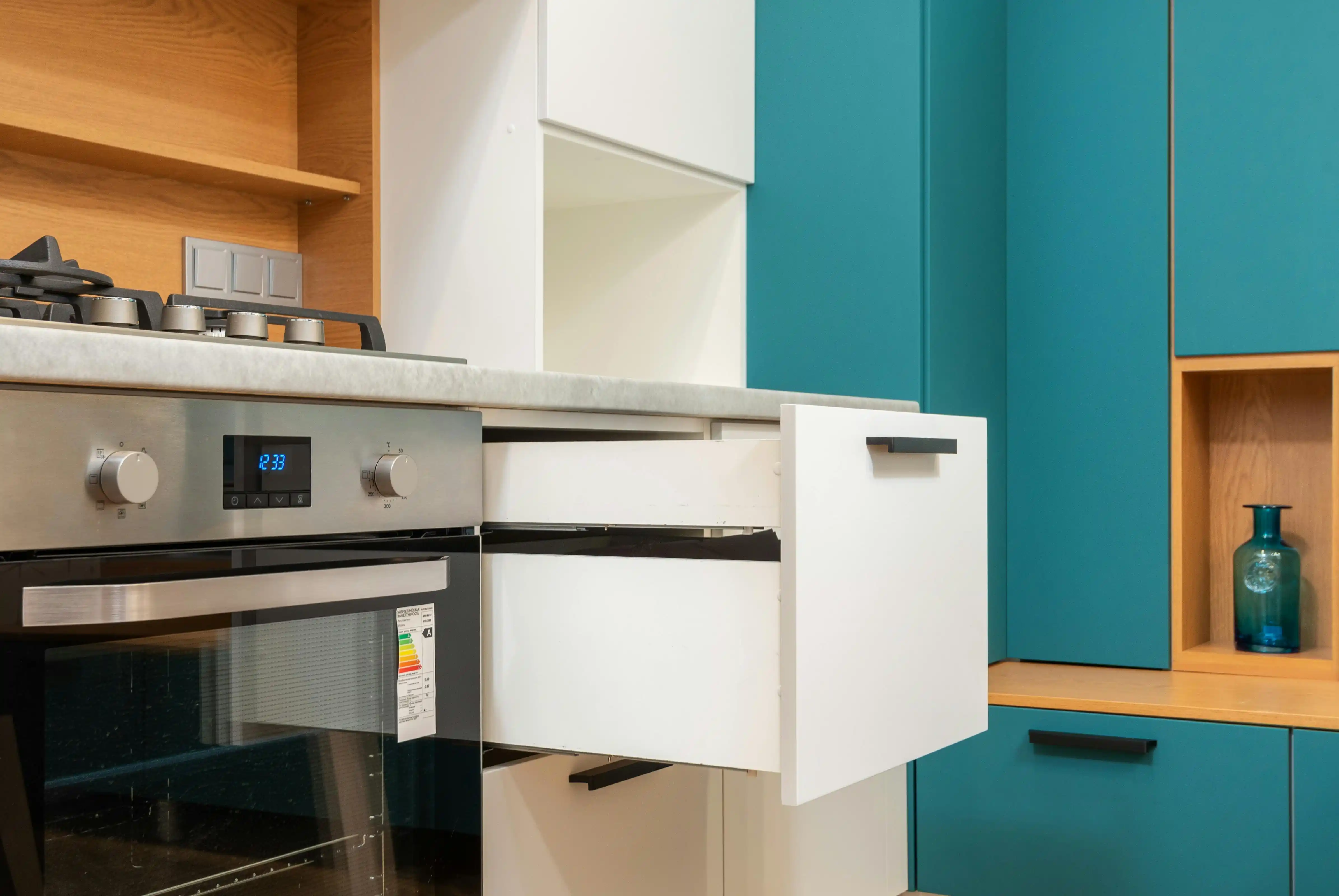
Before we talk about cost, it's worth understanding what budget cabinetry actually is. The main differentiator in cabinet quality comes down to two things: the box construction and the finish.
Budget cabinets (the kind found at big box stores or on the very low end of the pricing spectrum) typically use particleboard boxes. Particleboard is made from compressed wood chips and adhesive, and while it's inexpensive and perfectly functional when dry, it has a well-known weakness: it does not handle moisture well. When a particleboard gets wet, it swells, warps, and begins to break down. Once that process starts, it doesn't reverse.
Quality mid-range and custom cabinets, by contrast, use plywood boxes. Plywood is layered and cross-grained, which gives it far superior resistance to the humidity fluctuations that are a daily reality in any kitchen and especially in BC's climate, where indoor humidity can swing significantly between the wet coastal winters and drier summer conditions.
The second difference is the finish and hardware. Budget cabinet doors often use thinner MDF with a foil or laminate wrap that can peel, bubble, or delaminate over time, particularly around edges and near heat sources like the stove or dishwasher. Mid-range and custom cabinets use more durable finishes (painted MDF with catalyzed topcoats, solid wood doors, or thermofoil applied with better adhesion) that hold up significantly longer under daily use.
Where Budget Cabinets Fail First in BC Kitchens
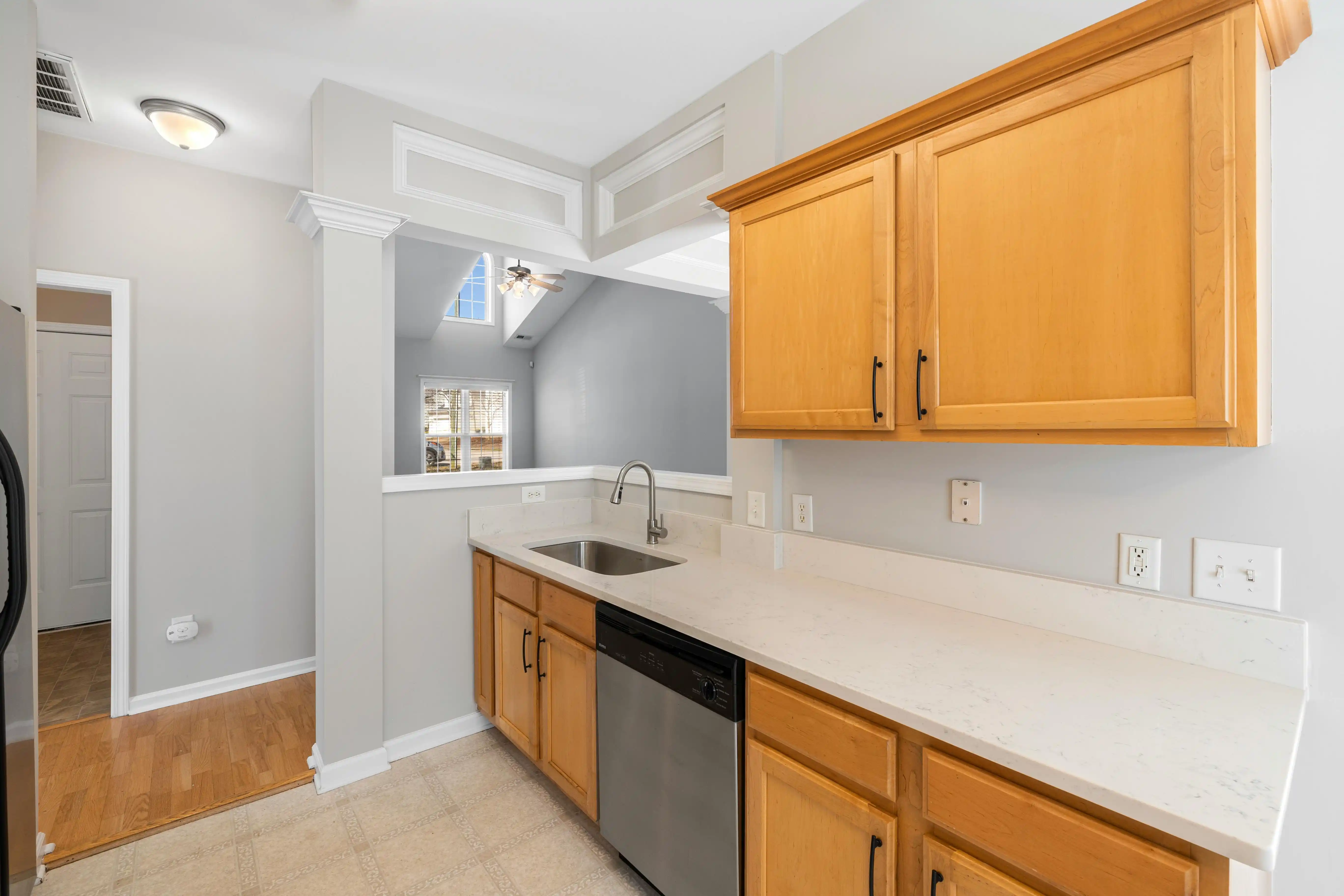
In a kitchen in Surrey or White Rock, there are a few specific areas where budget cabinets tend to show their weaknesses first.
Under the Sink
Under the sink is the most common trouble spot. Even with no plumbing leaks, under-sink cabinets are exposed to more moisture than anywhere else in the kitchen from condensation on pipes, occasional drips, steam from the dishwasher nearby, and general humidity. A particleboard cabinet base under the sink will often begin to swell within two to three years of installation, and in five years it's common to see significant deterioration that makes the space unhygienic and structurally compromised.
Around the Dishwasher
Around the dishwasher is the second problem area. Dishwashers release steam and heat during and after every cycle, and the cabinets on either side (particularly the toe kick and lower cabinet sides) absorb that moisture over time. Again, plywood handles this; particleboard does not.
Drawer Box Quality
The third area is drawer box quality. Budget cabinets often use stapled particleboard or thin MDF drawer boxes rather than dovetail-jointed solid wood or plywood drawers. Under daily use (and a busy kitchen gets a lot of it) these drawer boxes begin to loosen at the joints, making drawers feel wobbly and eventually fail to close properly.
The Hidden Labour Cost of Replacing Budget Cabinets Early
Here's the financial reality that catches many homeowners off guard: kitchen cabinets are not a standalone product. They're integrated into your kitchen. Your countertops sit on top of them. Your backsplash tile runs up behind them. Your appliances are sized and positioned around them. Your plumbing comes up through the cabinet floor.
When a set of budget cabinets fails prematurely (say, after seven to ten years instead of the twenty-plus years you'd expect from quality cabinetry) replacing them isn't just the cost of new cabinets. It means removing countertops (which will likely need to be replaced as well, as they crack or chip during removal). It means disturbing backsplash tile. It means disconnecting plumbing and potentially moving appliances. In the Lower Mainland's labour market, where trade and finishing labour runs among the highest in Western Canada, that reinstallation cost adds up fast.
In practical terms, a set of budget cabinets that cost $15,000 CAD and needs to be replaced in eight years, triggering $25,000 in associated labour and material costs, is a far more expensive outcome than a $28,000 set of quality cabinets that performs reliably for twenty-five years.
What About IKEA Cabinets? A Special Case Worth Addressing
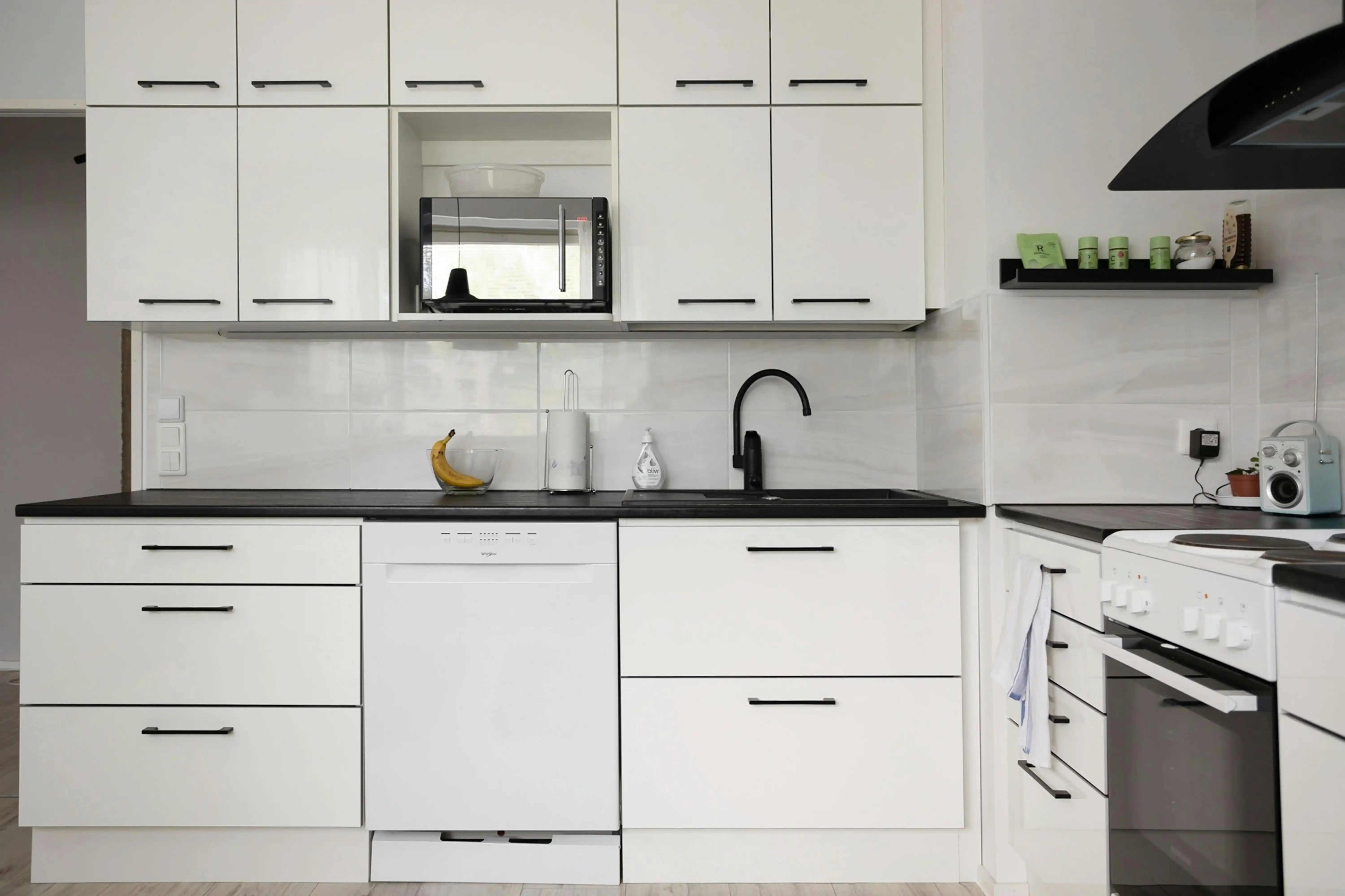
IKEA kitchen cabinets occupy an interesting middle ground that's worth discussing honestly, because they're a popular choice for Surrey and White Rock homeowners working with tighter budgets.
IKEA's cabinet system uses a mix of particleboard and fibreboard in the boxes, but with a few important differences from the cheapest end of the market. The hardware (drawer slides, hinges, and fittings) is generally solid and well-engineered. The assembly system is consistent and well-documented, and replacement parts are readily available. With proper installation and protective measures in moisture-prone areas (under-sink cabinet liners, regular maintenance of dishwasher seals, proper ventilation), IKEA cabinets perform better than their price point might suggest.
The caveats are real, though. IKEA cabinet boxes remain less moisture-resistant than plywood alternatives, the finish options are limited, and the sizing system (while flexible) doesn't accommodate every kitchen layout without custom filler pieces. They also require experienced installation; poorly installed IKEA cabinets perform far worse than the same cabinets put in well.
How Cabinet Quality Affects Your Home's Resale Value
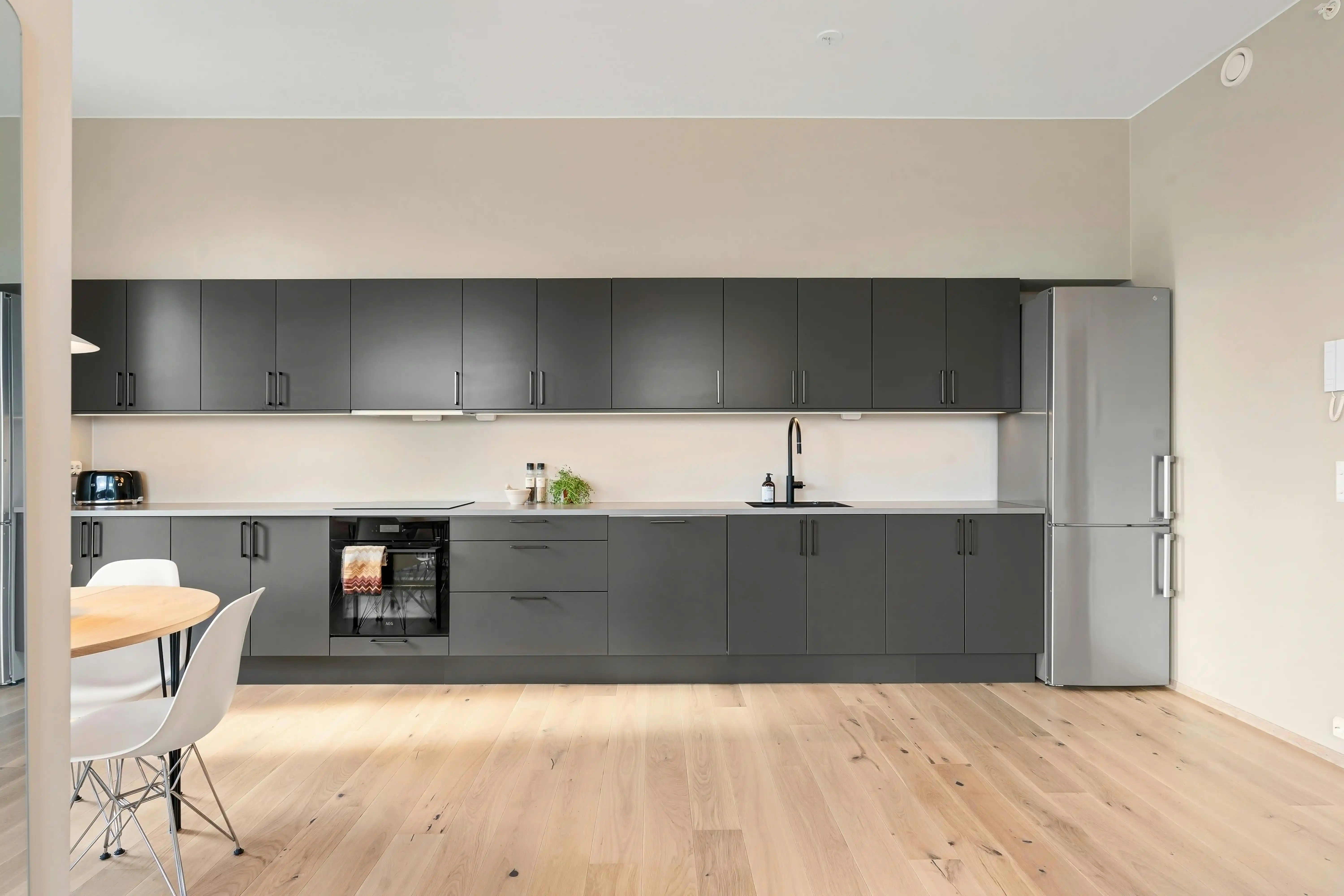
In the South Surrey and White Rock real estate market, where detached homes regularly trade in the $1.35 million to $1.65 million range and buyers are discerning, kitchen quality is one of the first things buyers and their realtors evaluate. A kitchen with visibly tired, warped, or delaminating cabinets (even if everything else is current) signals deferred maintenance and invites lower offers.
Conversely, a kitchen with quality cabinetry, clean lines, and solid hardware reads as a cared-for home and supports a stronger asking price. Kitchen renovations in the Lower Mainland consistently deliver 65–80% cost recovery at resale according to current market data, but that figure assumes quality that will look and function well at time of sale, not budget cabinetry that's already showing wear.
What Should You Actually Spend on Cabinets?
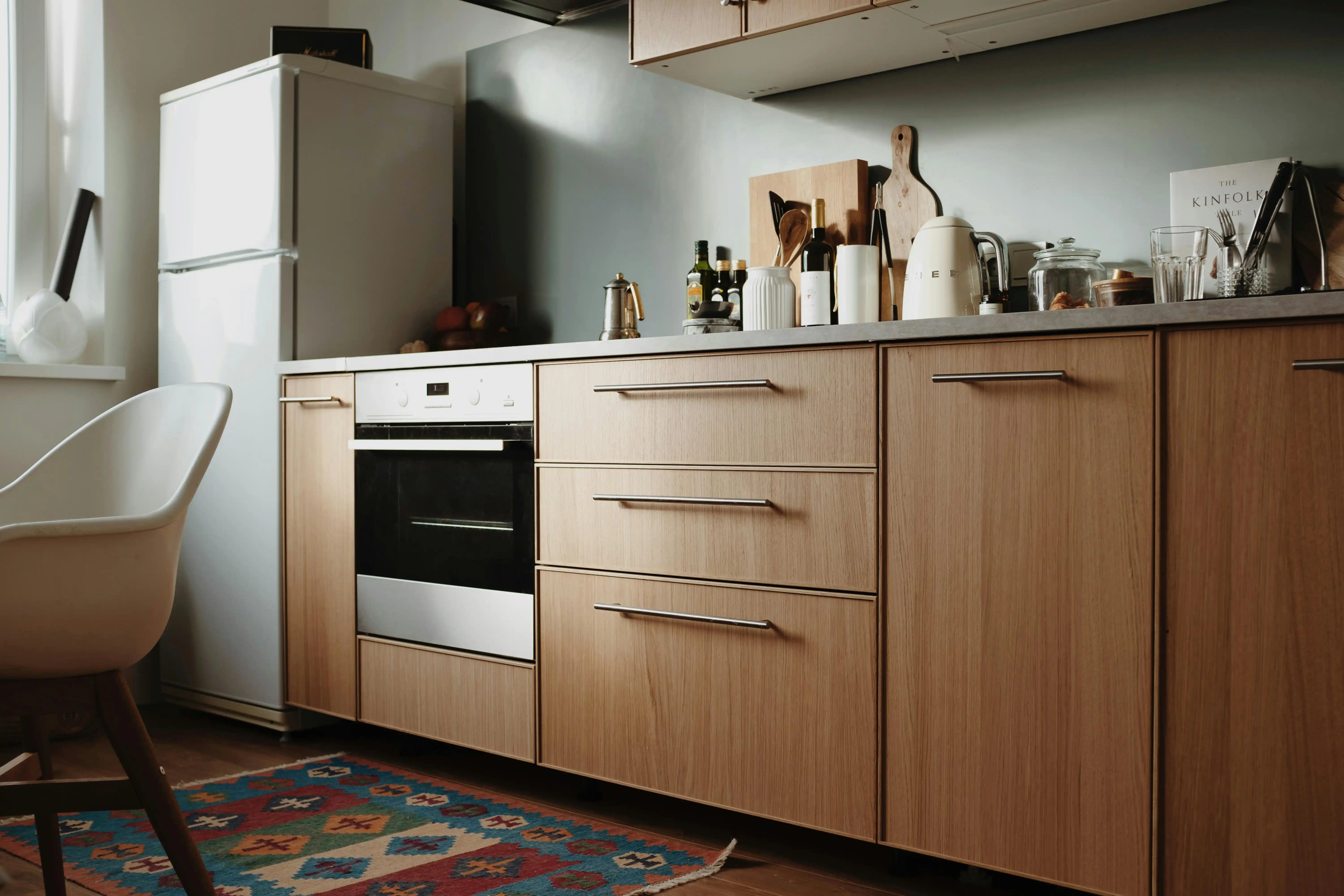
The honest answer is: spend as much on your cabinet boxes as your budget allows, and be more flexible on the door style and finish. The box is what determines longevity. A plywood box with a simple Shaker-style MDF door in a neutral colour is a far better long-term investment than a particleboard box with a more elaborate or premium-looking door.
For a typical Surrey or White Rock kitchen, semi-custom plywood-box cabinets from a reputable Canadian supplier run roughly $16,000–$28,000 CAD for a mid-range scope. That price range delivers significantly better durability, better hardware, and better moisture resistance than budget alternatives at $8,000 - $15,000 and in BC's kitchen environment, that difference will make itself known over time.
Final thoughts
The sticker price on budget kitchen cabinets looks appealing. The true cost (accounting for moisture damage, premature failure, early replacement, and the associated labour) often makes them the more expensive choice in the long run. In a province where humidity is a constant factor and labour costs are among the highest in Canada, getting cabinet quality right the first time is one of the smartest decisions a Surrey or White Rock homeowner can make during a kitchen renovation.


