What Is a Curbless Shower? | Surrey & White Rock Guide
Learn what a curbless shower is, how it works, what installation involves in BC, and whether it is the right choice for your Surrey or White Rock bathroom.
What Is a Curbless Bathroom Shower and Is It Right for Me?
Wondering what a curbless shower is and whether it suits your Surrey or White Rock home? Here's everything BC homeowners need to know before deciding.
⏱ Estimated Reading Time: 8–9 minutes
If you've been browsing bathroom renovation ideas lately, you've probably come across the term "curbless shower" more than once. It's become one of the most talked-about features in bathroom design across Surrey and White Rock and for good reason. But between the Instagram-worthy photos and the renovation quotes, it can be hard to know whether a curbless shower is actually the right choice for your home and your lifestyle.
Let's break it down clearly, starting from the basics.
What Exactly Is a Curbless Shower?
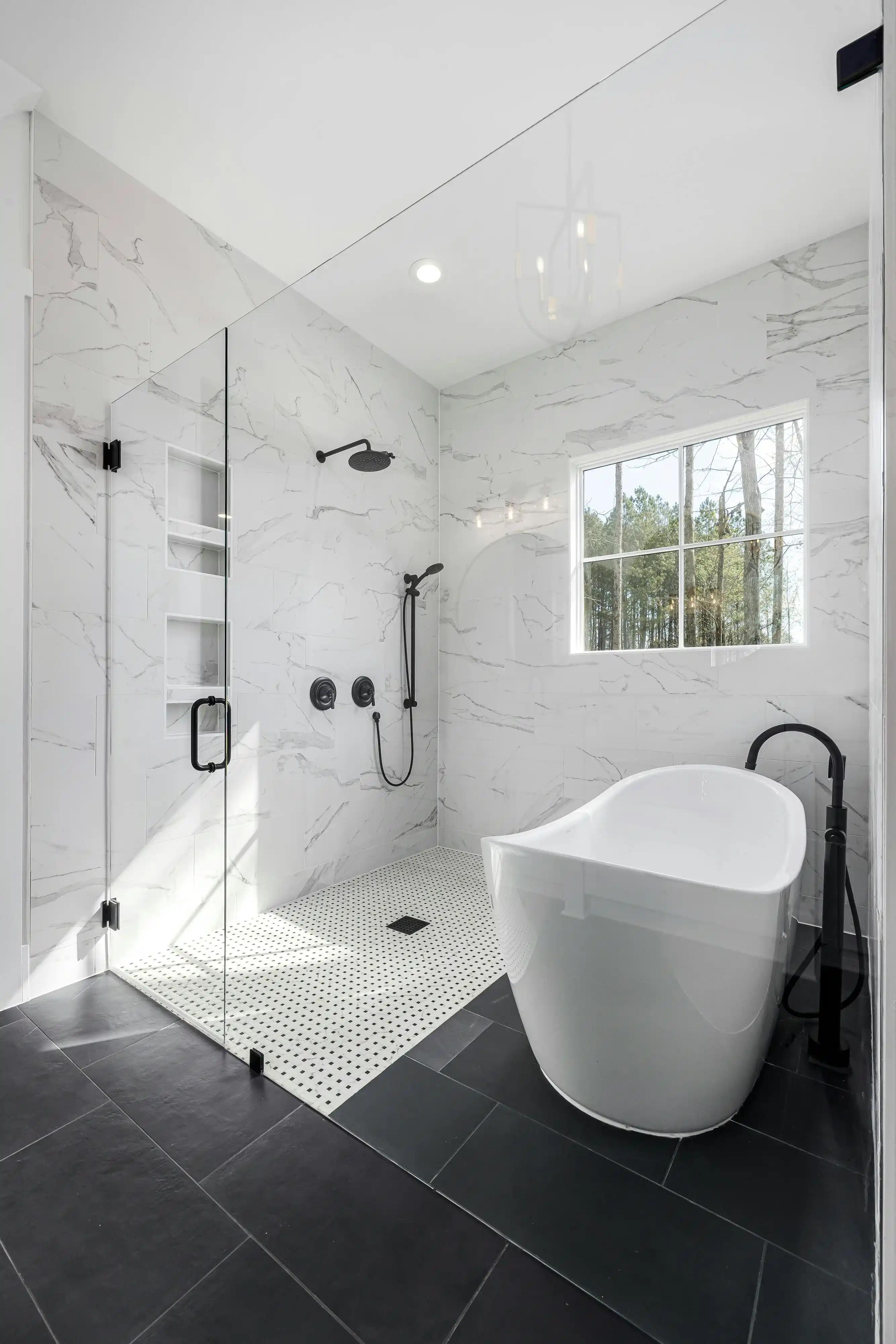
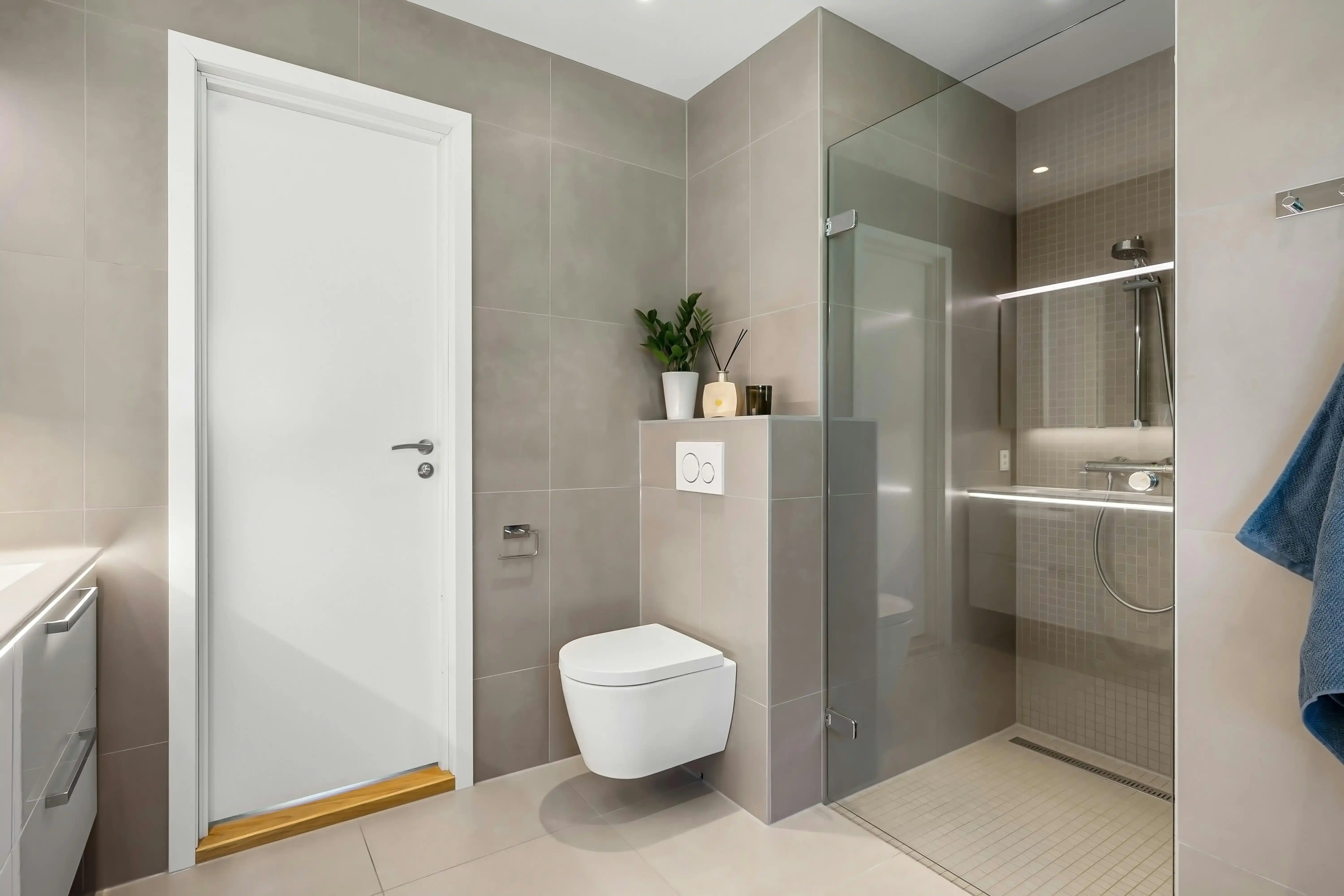
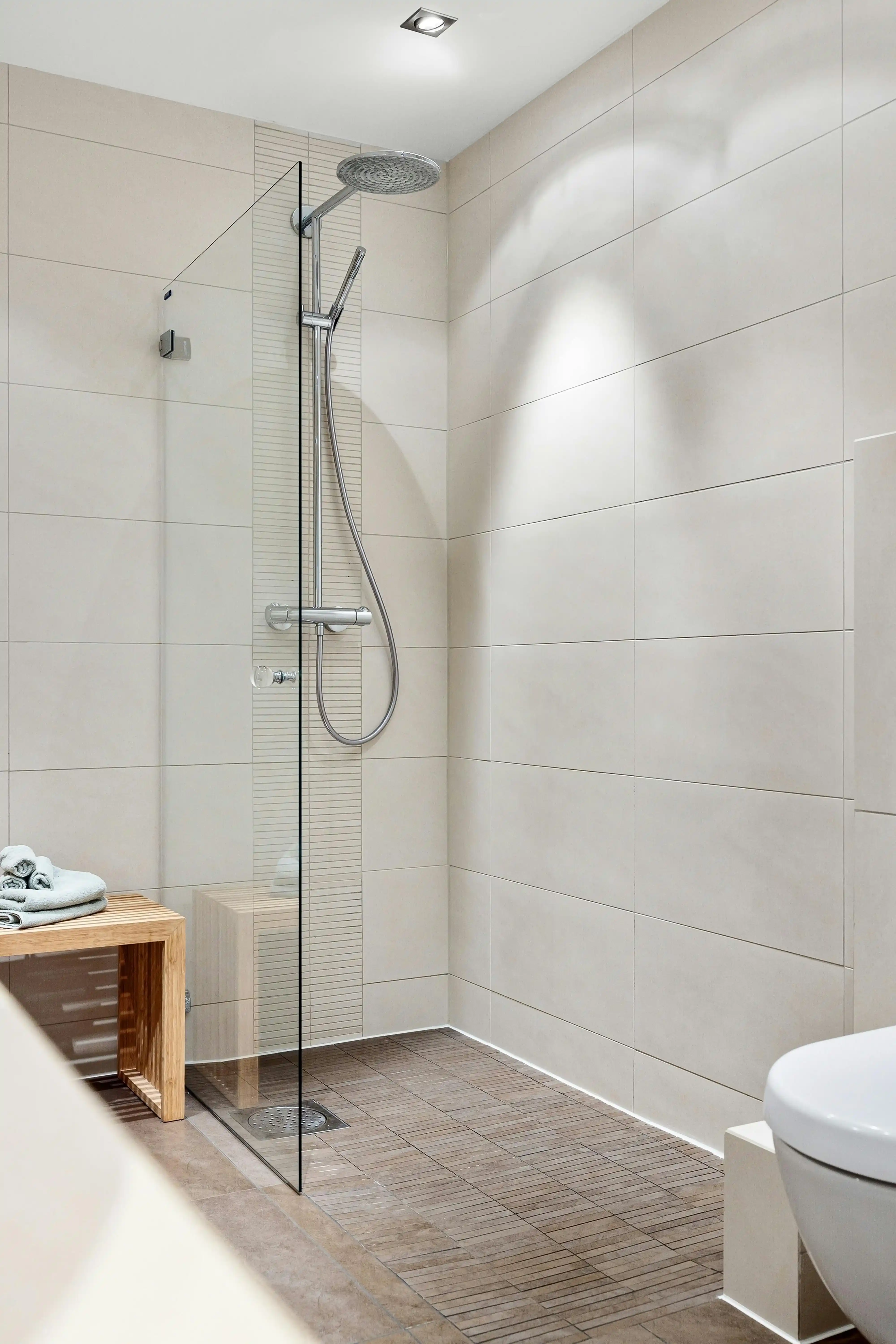
A curbless shower, also called a barrier-free shower, zero-threshold shower, or zero-entry shower is exactly what the name suggests: a shower with no raised curb or step at the entry. The shower floor sits flush with the rest of the bathroom floor, creating a seamless, continuous surface from one end of the room to the other.
This is different from a standard shower, which typically has a raised curb usually between three and 5 inches high; that acts as a barrier to contain water within the shower area. In a curbless design, that barrier is removed entirely, and water is managed instead through a carefully sloped floor and a properly positioned drain, most commonly a linear drain running along one edge of the shower.
The result is a clean, open look that makes even smaller bathrooms feel noticeably more spacious and an entry experience that requires no stepping over anything at all.
Why Are Curbless Showers So Popular in Surrey and White Rock?
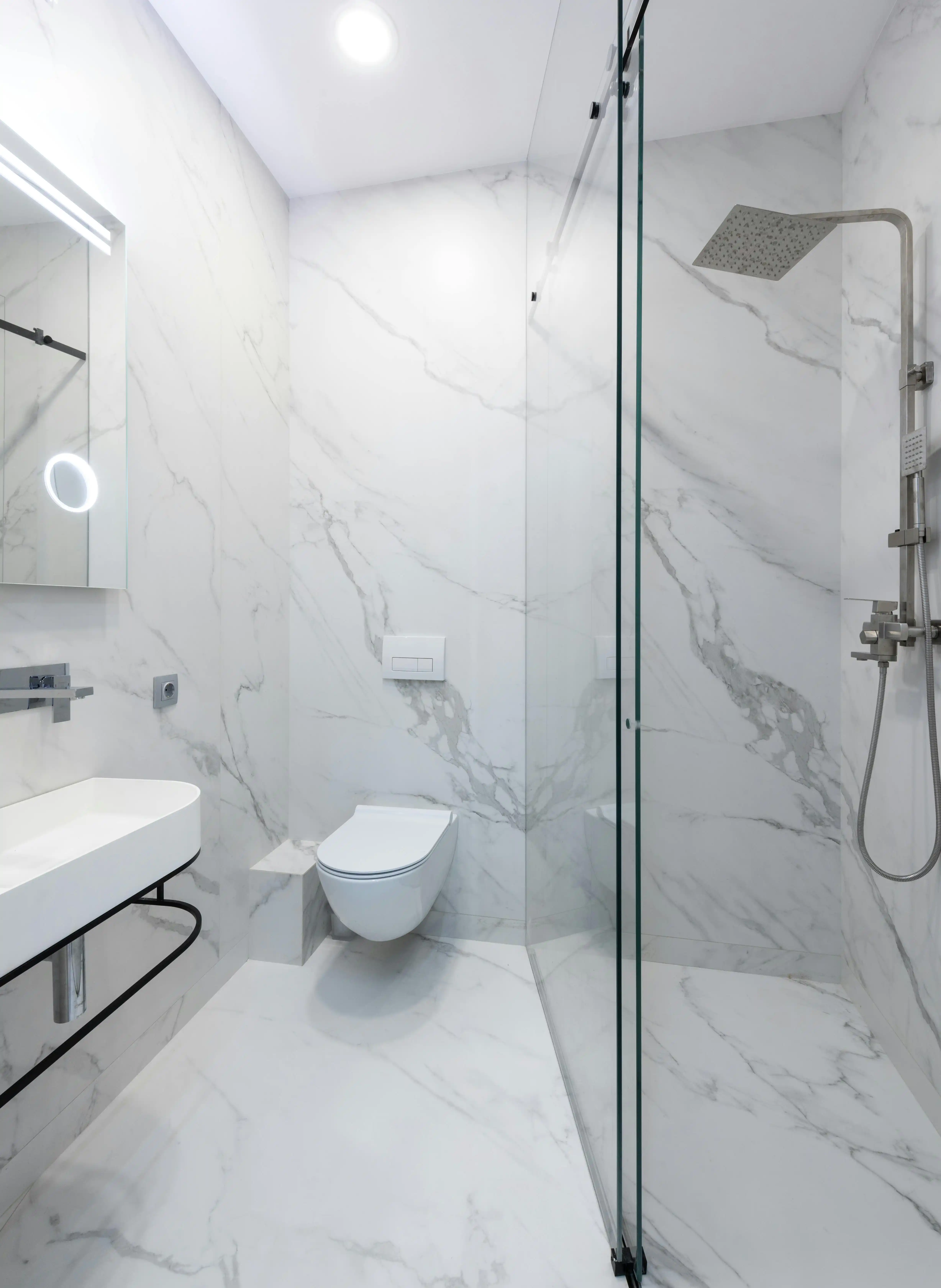
A few things have driven the rise of curbless showers in South Surrey and White Rock homes over the past several years. First, the aesthetic: curbless showers align beautifully with the modern, spa-inspired bathroom designs that have become the standard expectation for mid-range and premium renovations in the Lower Mainland. The seamless floor surface, often carried through in large-format tile from the shower area into the rest of the bathroom, creates a sophisticated, high-end look that photographs beautifully and adds strong resale appeal.
Second, and just as importantly, accessibility. Surrey and White Rock have a significant and growing population of homeowners planning for the long term what's often called "aging in place." A curbless shower eliminates one of the most common trip hazards in a bathroom and makes the shower fully accessible to anyone who may use a walker, wheelchair, or simply finds high-curb stepping difficult. For multi-generational households (and there are many of them in the South Surrey area) a curbless shower on the main floor is a practical investment that serves everyone from young children to elderly guests and family members.
How Does Water Stay in the Shower Without a Curb?
This is the first question most Surrey and White Rock homeowners ask, and it's a fair one. The answer lies in two things: proper floor slope and the right drain placement.
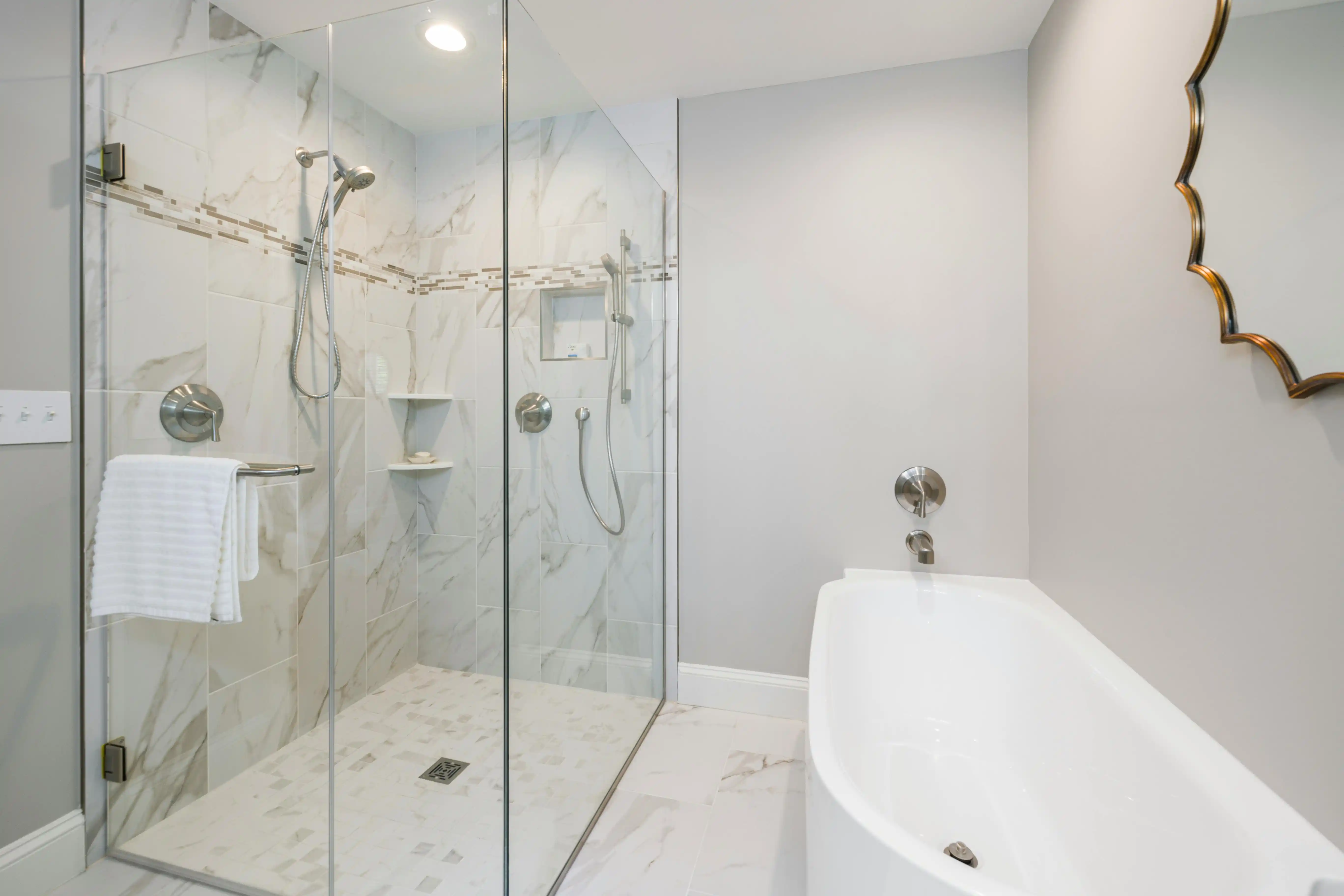
In a well-built curbless shower, the floor is sloped (typically at about a one to two percent grade) directing water toward the drain rather than outward into the bathroom. A linear drain, positioned at the entry edge or along one wall of the shower, collects water efficiently and handles the flow from a standard showerhead without overflow. The showerhead choice also matters: a rainfall overhead fixture keeps water more contained within the shower footprint compared to a wall-mounted head angled outward.
When all of these elements are planned and installed correctly by an experienced contractor, water stays where it should. When they're not (when the slope is insufficient, the drain undersized, or the waterproofing incomplete) you end up with water creeping across your bathroom floor after every shower. This is why professional installation is non-negotiable for a curbless design.
What Does Installation Actually Involve in a BC Home?
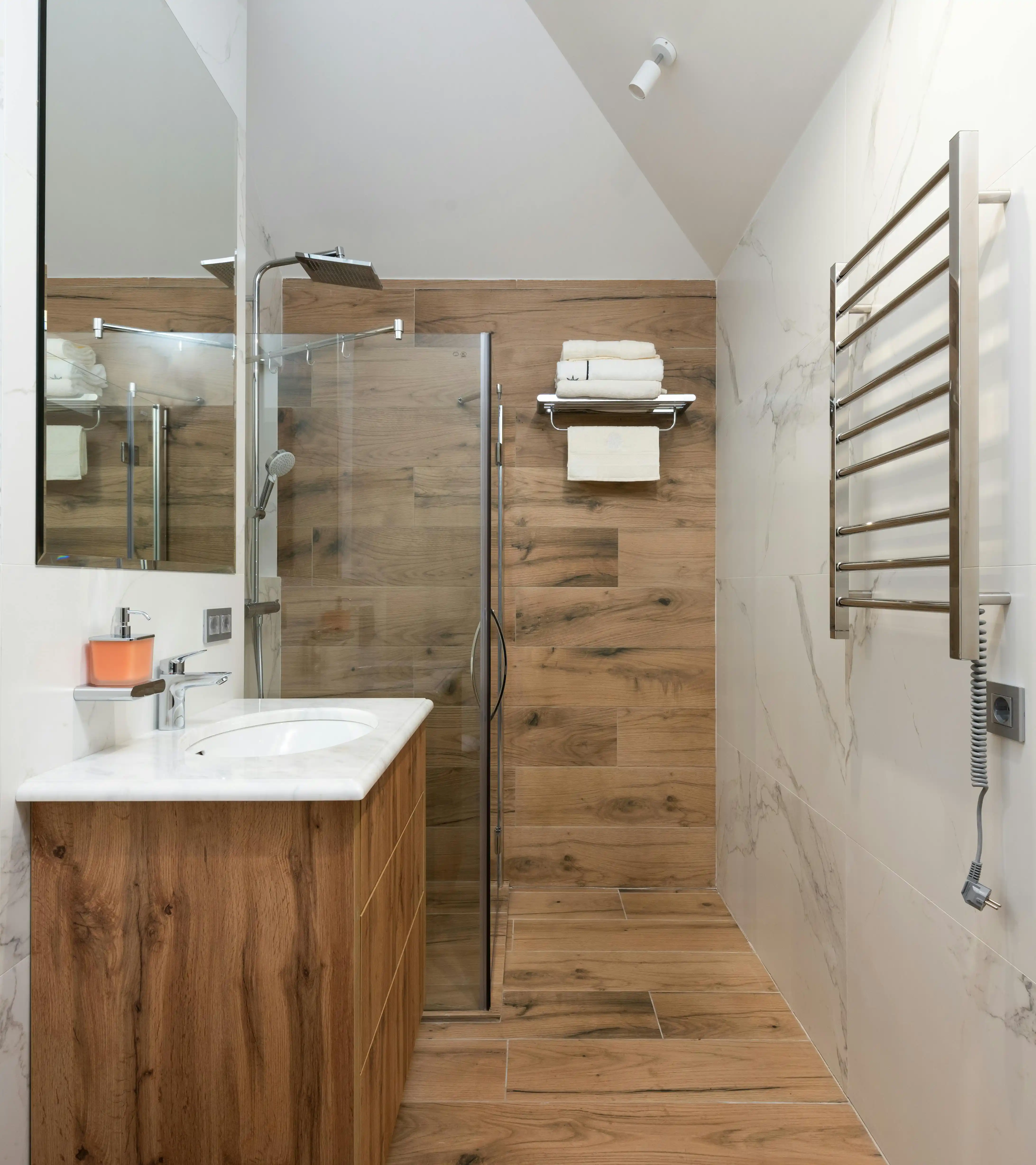
Here's where curbless showers get more involved than a standard shower replacement, and where it's important for Surrey and White Rock homeowners to have realistic expectations going in.
Because the shower floor needs to sit flush with the rest of the bathroom floor while still allowing for proper waterproofing layers, a sloped shower pan, and drainage, the subfloor in the shower area typically needs to be lowered. In most cases this means cutting into the subfloor, lowering the framing slightly in the shower zone, and building back up carefully to achieve the correct height relationship between the shower floor and the surrounding bathroom floor.
In BC's wet climate, waterproofing requirements for a curbless shower are especially critical. Without a curb acting as a physical backup barrier, the waterproofing membrane must be flawless and must extend well beyond the shower footprint. Systems like Schluter or Wedi (which we covered in a recent blog on waterproofing materials) are commonly used by experienced contractors in the Lower Mainland for curbless builds precisely because they provide integrated, reliable waterproofing from floor to ceiling with no weak points.
All of this means a curbless shower is generally more labour-intensive and more expensive than a curbed shower of similar size. It also means it's a project where the quality of the contractor and their specific experience with curbless installations matters enormously.
Is a Curbless Shower Right for Every Bathroom?
Honestly, no and a contractor who tells you otherwise isn't giving you the full picture. There are a few situations where a curbless shower is straightforward and a few where it's genuinely complicated.
Curbless showers work best in bathrooms where there is sufficient space a shower that is at least 36 inches deep gives enough floor area to slope properly toward the drain without the entry point being awkwardly pitched. They also work most smoothly in ground-floor bathrooms or bathrooms where access to the subfloor is relatively straightforward, whether that's from below (a crawlspace or unfinished basement) or from within the bathroom floor itself during a full renovation.
Where curbless showers get more complicated is in upper-floor bathrooms in older South Surrey or White Rock homes, where the floor joist system may be difficult to modify, or in bathrooms where the renovation is otherwise cosmetic and a full subfloor intervention isn't part of the scope. In those cases, a low-threshold curb can achieve much of the accessibility benefit with less structural intervention.
Who Benefits Most From a Curbless Shower?
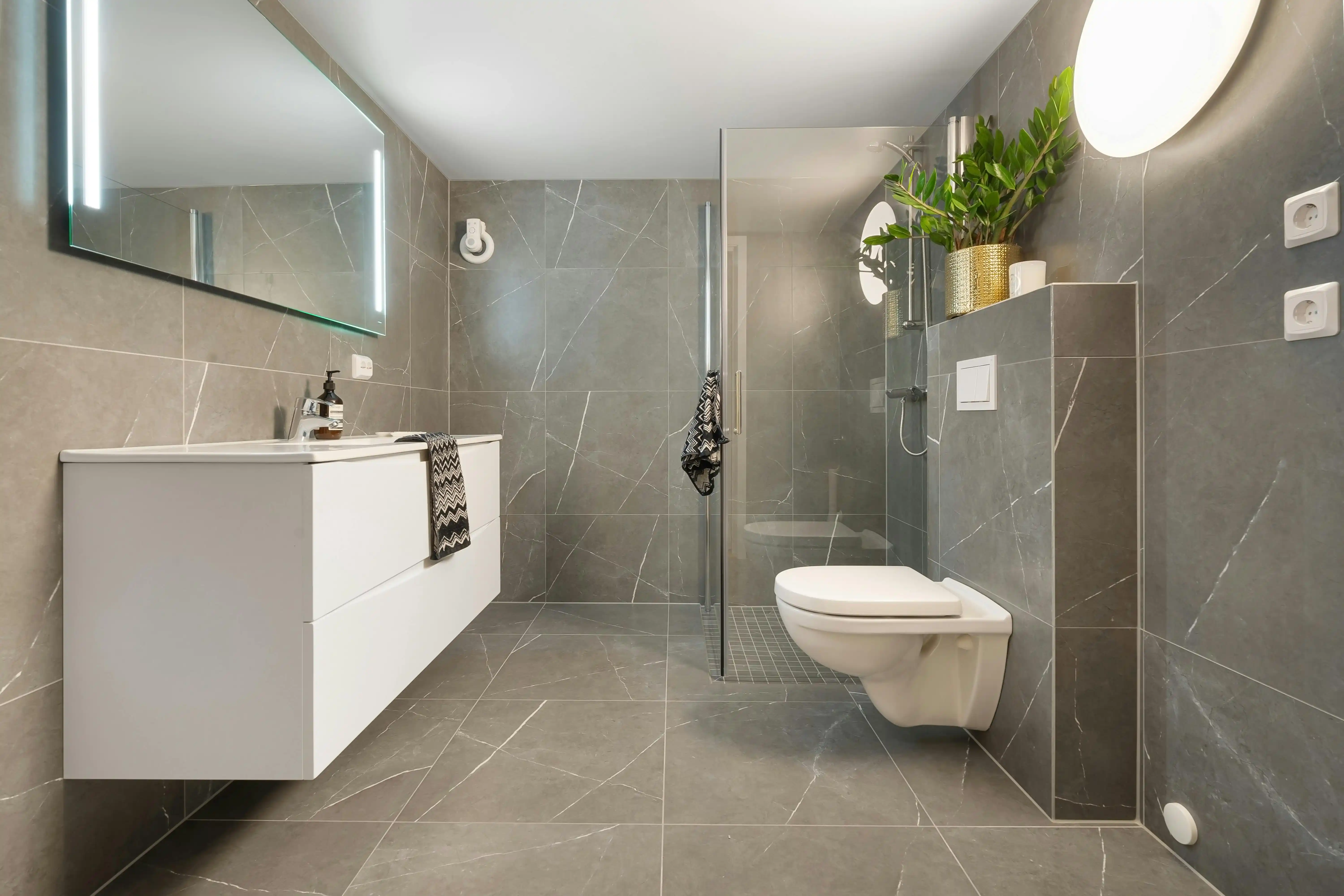
A curbless shower is an excellent choice for a wide range of homeowners, but it's particularly well-suited for:
Homeowners planning to stay in their home long-term and want a bathroom that will serve them well as they age. Families with elderly parents or grandparents who visit or live with them. Anyone who has experienced a mobility challenge, surgery recovery, or disability and values easy, barrier-free bathroom access. Homeowners renovating a main-floor bathroom or master ensuite and want a modern, premium aesthetic that will hold its value and appeal to future buyers.
It's worth knowing that curbless showers are increasingly expected by buyers in the South Surrey and White Rock market at the mid-range and premium price points, making them a smart renovation choice from a resale perspective as well.
A Few Practical Things to Keep in Mind
If you're seriously considering a curbless shower for your Surrey or White Rock home, here are a few things worth thinking about before you meet with a contractor.
The bathroom floor outside the shower will get some moisture exposure; not flooding, if the shower is built correctly, but light splash and steam. Choosing non-slip tile for both the shower floor and the bathroom floor surrounding it is important for safety. Heated floors, which are popular in BC bathroom renovations, pair particularly well with curbless designs since the open entry means the bathroom floor can feel cool without the curb acting as a temperature buffer.
Glass screens or partial glass panels are commonly used with curbless showers to provide a degree of privacy and additional water containment without the visual weight of a full enclosed door. These add cost but also add to the overall look of the space significantly.
Final thoughts
A curbless shower is a beautiful, practical, and increasingly standard feature in Surrey and White Rock bathroom renovations, but it's not a simple swap. It requires careful planning, experienced installation, proper waterproofing, and the right subfloor conditions to deliver the results you see in renovation photos. When it's done well, it genuinely transforms a bathroom into something that feels spacious, modern, and built to last. When it's done poorly, it becomes a persistent water management problem.
The best first step is a conversation with a contractor experienced in curbless builds who can assess your specific bathroom, walk you through what the installation would realistically involve in your home, and give you an honest picture of what to expect.


