Where Do I Cook During a Kitchen Renovation?
Wondering where to cook during a kitchen renovation? Explore practical options from setting up a temporary kitchen to meal prep, outdoor cooking, and eating out.
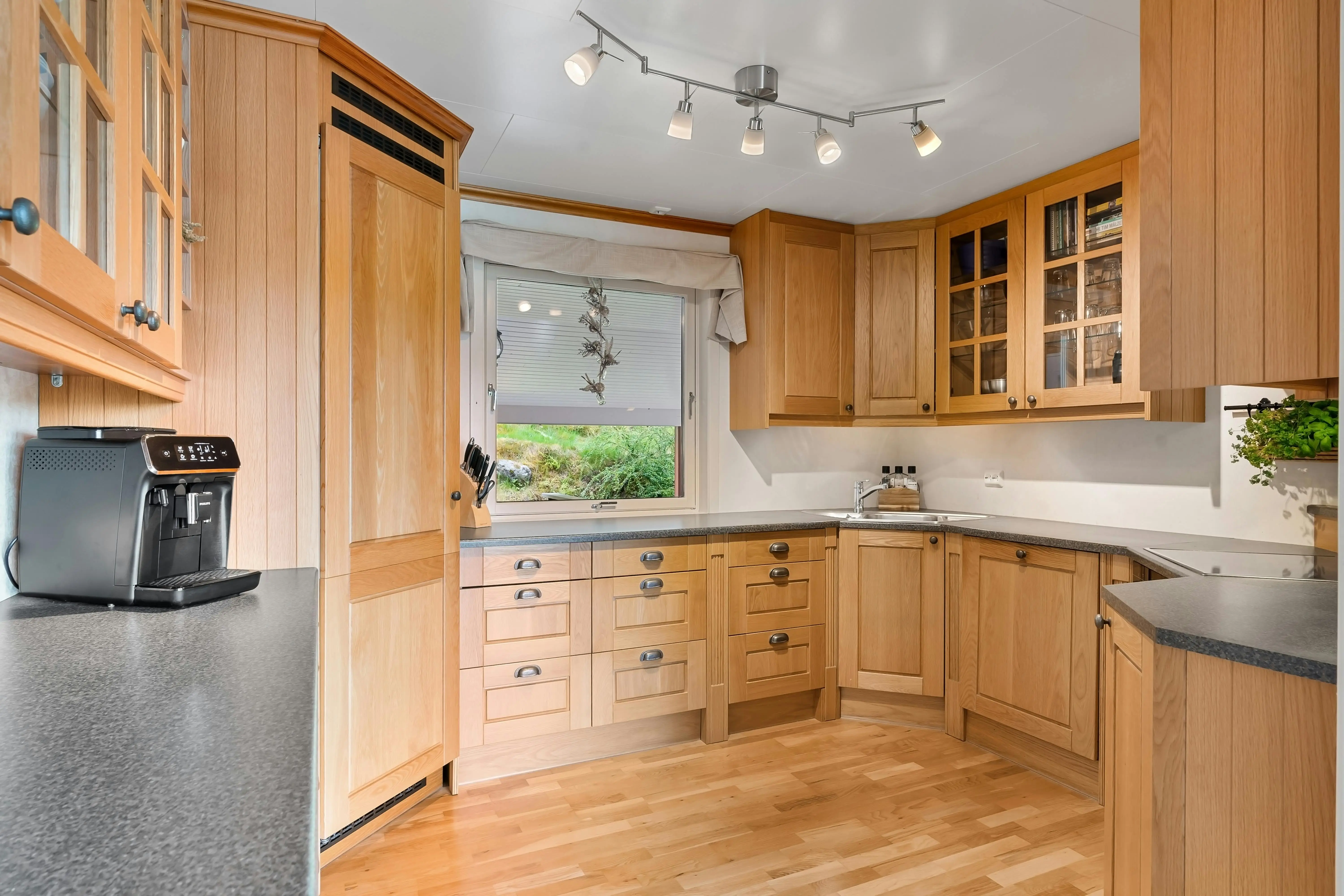
Where Do I Cook During a Kitchen Renovation?
This is one of the most practical questions homeowners ask before starting a kitchen renovation. Since the kitchen is used every day, planning how to prepare meals during construction can make a big difference in how manageable the process feels.
⏱ Estimated Reading Time: 5–6 minutes
Why This Is Important
A kitchen renovation affects one of the most used areas in a home. Cooking, preparing food, and even basic tasks like making coffee or washing dishes become more difficult when the kitchen is out of service.
The level of disruption depends on the scope of the renovation. In some cases, parts of the kitchen may still be usable. In others, the entire space may be inaccessible for a period of time.
Setting Up a Temporary Kitchen
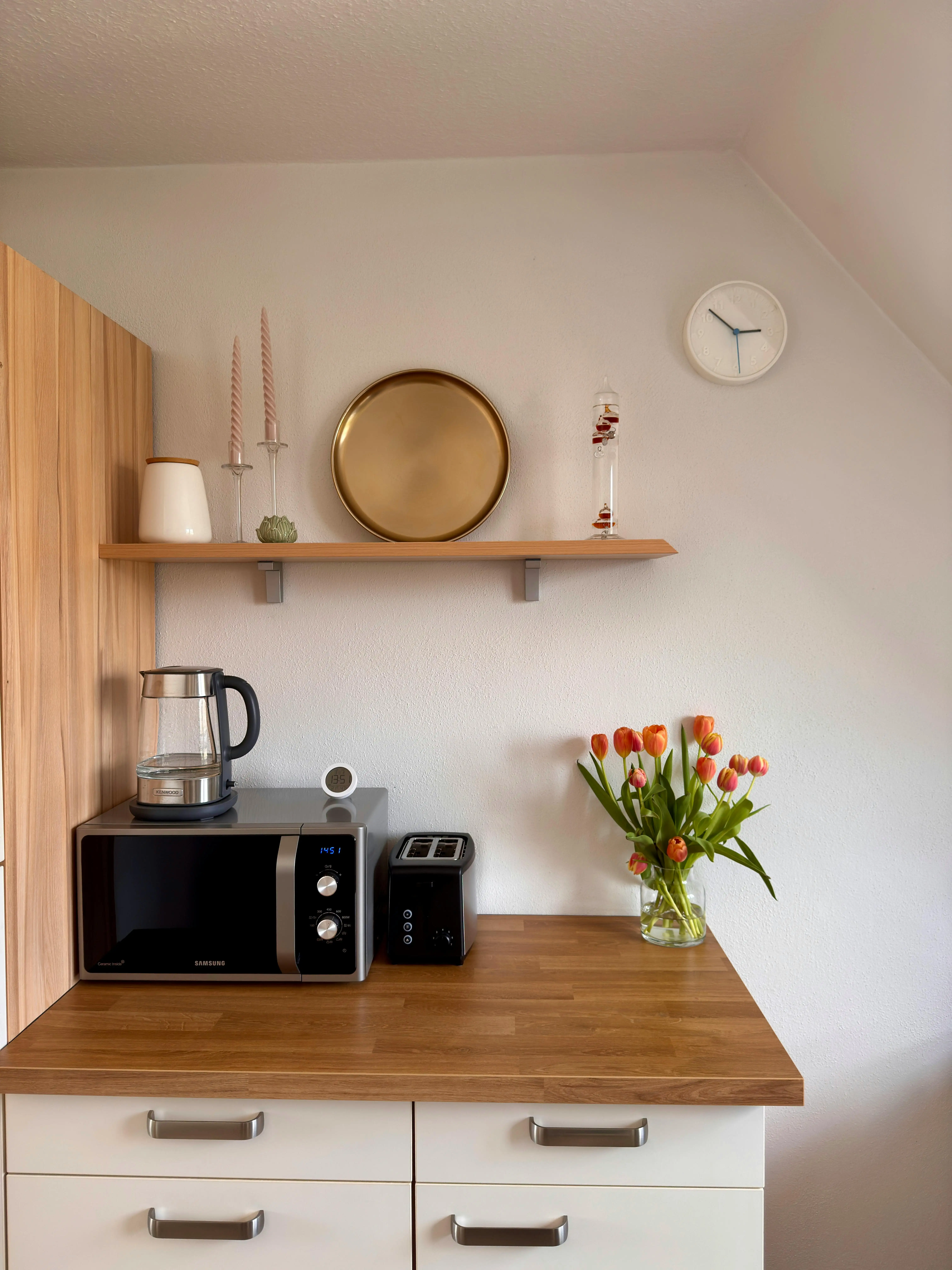
One of the most common solutions is creating a temporary kitchen somewhere else in the home. This is often done in a dining room, living room, basement, or even a garage.
A basic temporary kitchen might include a microwave, toaster oven, kettle, and a small fridge. Some homeowners also use portable cooktops or slow cookers to prepare simple meals. While this setup is limited compared to a full kitchen, it allows for basic food preparation without leaving the home.
Using Small Appliances

Even without a full kitchen, many meals can still be prepared using small appliances. Items like electric kettles, air fryers, hot plates, and slow cookers can handle a variety of cooking needs.
This approach works well for simple meals and reduces the need for full kitchen access. It also helps maintain a routine during the renovation.
Relying on Outdoor Cooking

If weather and space allow, outdoor cooking can be another option. Barbecues are commonly used during renovations and can handle a wide range of meals.
This option can be especially useful during warmer months and helps reduce reliance on indoor setups.
Preparing Meals in Advance

Some homeowners choose to prepare and store meals before the renovation begins. Freezing meals ahead of time can reduce the need for daily cooking during the most disruptive stages.
This approach works best when combined with a temporary setup for reheating food.
Eating Out or Ordering In

For many households, eating out or ordering takeout becomes more common during a kitchen renovation. While this can be convenient, it may also increase overall expenses over time.
Some homeowners balance this by combining takeout with simple meals prepared at home.
Staying with Family or Friends

In some cases, homeowners may choose to stay temporarily with family or friends. This provides full access to a kitchen and avoids the challenges of living without one.
This option is more common for larger renovations or when the kitchen will be unusable for an extended period.
Using a Secondary Kitchen
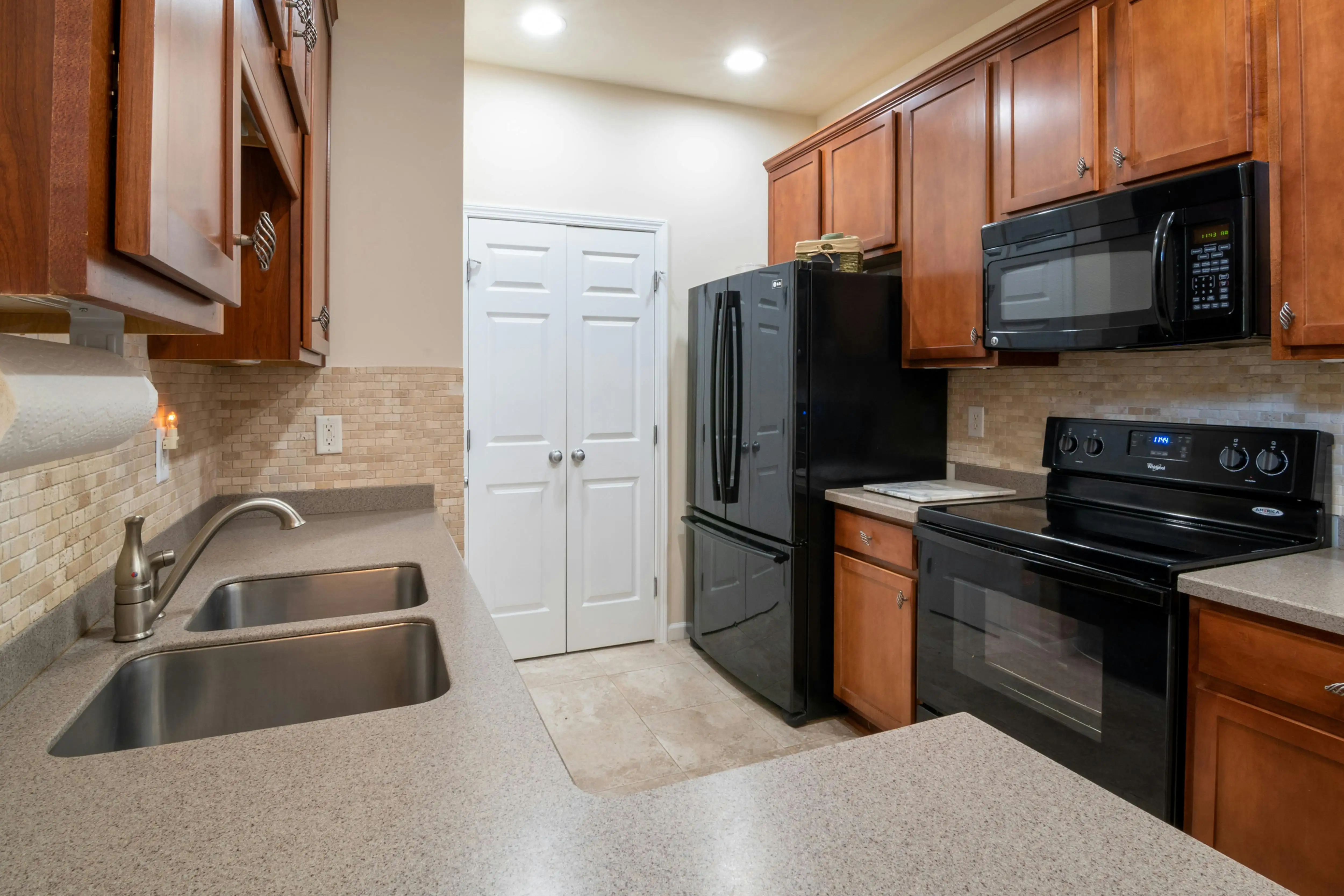
Homes with a secondary kitchen, such as a basement suite or kitchenette, may be able to rely on that space during the renovation.
This is often the most convenient option when available, as it allows for normal cooking routines to continue.
Planning Around the Renovation Timeline
Not all stages of a kitchen renovation affect cooking in the same way. There may be periods where some appliances are still usable, followed by stages where the kitchen is fully out of service.
Understanding the timeline ahead of time can help determine when alternative cooking arrangements will be needed.
Preparing Ahead of Time
Planning before the renovation begins can make the process smoother. Setting up a temporary space, organizing appliances, and deciding how meals will be handled can reduce stress once construction starts.
Even small adjustments, like creating a designated area for food preparation, can make a difference in day-to-day comfort.
Final Thoughts
Cooking during a kitchen renovation can be challenging, but there are several ways to manage it depending on your home and situation.
Options such as setting up a temporary kitchen, using small appliances, cooking outdoors, or relying on prepared meals can help maintain a routine. Some homeowners also choose to eat out more often or stay with family during the process.
Planning ahead and understanding your options can make a kitchen renovation more manageable and less disruptive to daily life.


