Why Is My Renovation Taking So Long? Common Causes and What to Expect
Wondering why your renovation is taking so long? Learn the most common causes of delays, from trade scheduling and inspections to material backorders and hidden issues.
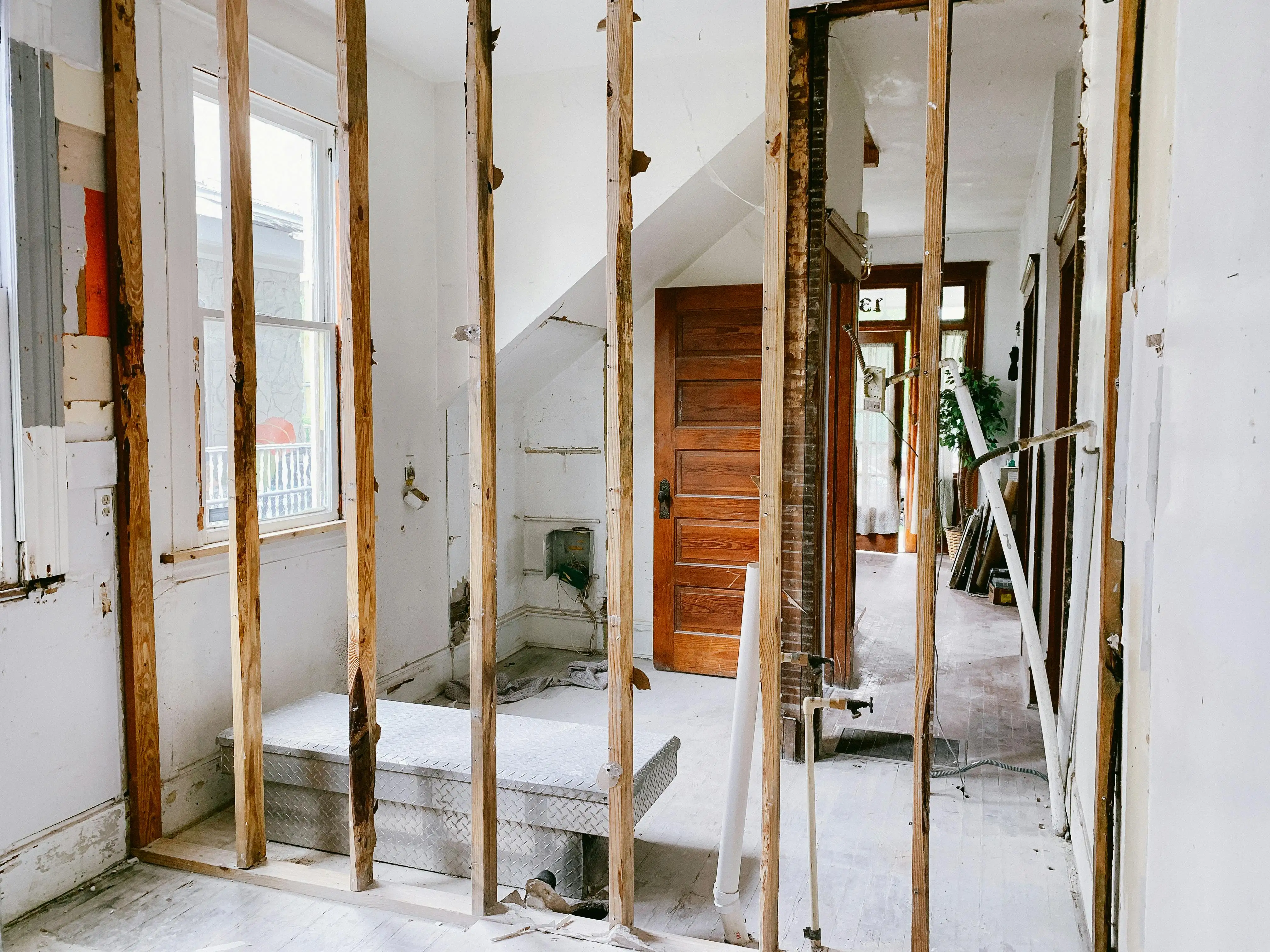
Why Is My Renovation Taking So Long?
Renovations follow a sequence of steps that depend on multiple trades, materials, and inspections. Delays can occur when one part of the process affects another. Understanding these factors can help explain why timelines may extend.
⏱ Estimated Reading Time: 6–7 minutes
Why Renovations Take Time
A renovation is not just one task, it is a series of coordinated steps that must happen in a specific order.
Typical stages include:
- Planning and design
- Demolition
- Plumbing and electrical work
- Inspections
- Installation (cabinets, tile, fixtures)
- Finishing
Each stage depends on the one before it being completed correctly.
1. Multiple Trades Are Involved
Renovations require different professionals working in sequence.
For example:
- Plumbers
- Electricians
- Tile installers
- Cabinet installers
- Painters
If one trade is delayed, the next one cannot start. This can affect the overall timeline.
2. Inspections and Permits
In many cases, inspections are required at different stages.
Delays can occur due to:
- Waiting for inspection appointments
- Corrections required before approval
- Permit processing times
These steps are necessary to ensure the work meets safety and building standards.
3. Material Delays
Materials are not always available right away and that is why planning ahead is so important in order to order anything that isn't custom ahead of time.
Common issues include:
- Backordered items
- Shipping delays
- Damaged or incorrect deliveries
If a key material is delayed, it can pause part of the project.
4. Hidden Problems
Once demolition begins, unexpected issues almost always are discovered. Your contractor should always be transparent in their findings and present you with options to making the needed corrections and a speedy response to those options will help move things along.
Examples include:
- Water damage
- Mold
- Outdated wiring or plumbing
- Structural concerns
- Asbestos
These issues must be addressed before moving forward, which can add time.
5. Changes During the Project
Making changes after construction starts is common. Nip this at the start and take your time making your selections and planning what you want to avoid this timely and potentially costly delay.
Examples:
- Changing materials
- Adjusting layout
- Adding features
These changes often require:
- New materials
- Additional labour
- Rescheduling trades
This can extend the timeline.
6. Drying and Curing Time
Some parts of a renovation require waiting time.
Examples include:
- Concrete or mortar curing
- Waterproofing drying
- Paint drying
These steps cannot be rushed without affecting quality.
7. Custom Work Takes Longer
Custom elements often require additional time.
Examples include:
- Custom cabinets
- Stone countertops
- Specialty finishes
These items are often made off-site and installed later in the process.
8. Scheduling Challenges
Trades are often scheduled in advance.
Delays can happen if:
- A previous job runs longer than expected
- A trade is unavailable
- Work needs to be rescheduled
9. Working Conditions
Every home is different, and site conditions can affect progress.
Examples include:
- Limited space
- Difficult access
- Older construction
These factors can slow down work compared to a new build.
10. Quality vs Speed
Rushing work can lead to problems later.
Many steps require:
- Precision
- Careful installation
- Proper sequencing
Taking the time to do things correctly can help avoid issues in the future.
Final Thoughts
Renovations can feel slow, especially when daily routines are affected. However, many factors influence how long a project takes.
Common reasons include:
- Trade coordination
- Inspections and permits
- Material availability
- Hidden problems
- Design changes
Understanding these factors can help explain why timelines may extend and what is happening behind the scenes during a renovation. Your contractor should always keep you in the loop and communicate any foreseeable issues or delays whenever possible.


