Basement Suite Laundry: Shared or Separate?
Should your basement suite share laundry or have its own? Compare layouts, venting, noise and tenant appeal for Surrey, White Rock and Langley suites.
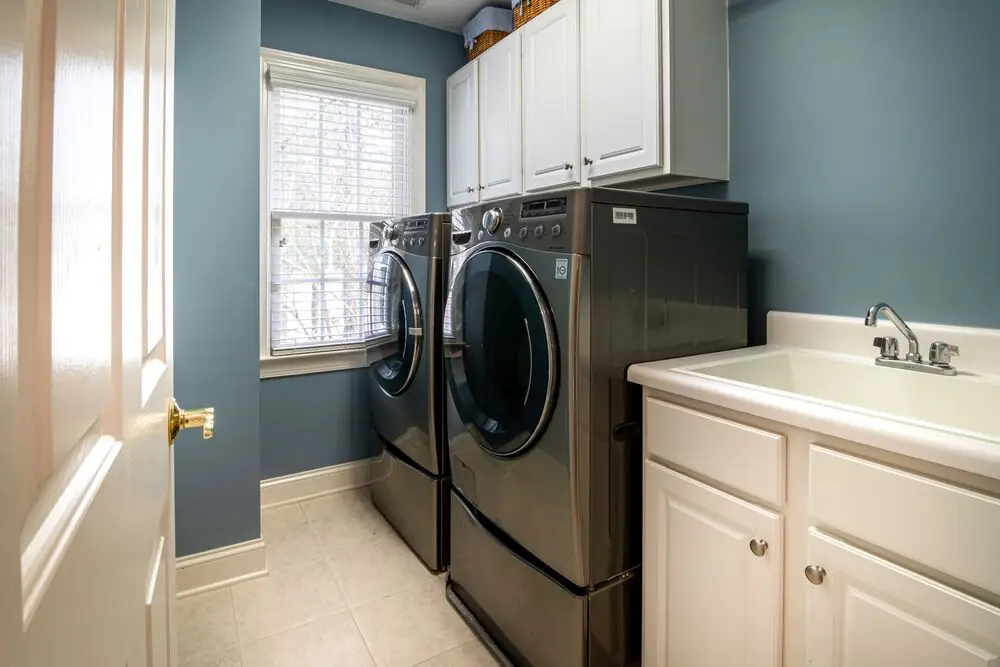
Basement Suite Laundry in Surrey, White Rock and Langley: Shared or Separate?
⏱ Estimated Reading Time: 5–6 minutes
When you add a basement suite, laundry is one of the decisions that seems minor at first and turns out to shape daily life for both households. Will the suite share the main house’s machines, or have its own? Where will the machines go, and how will they vent, drain, and stay quiet? The answer affects your layout, your budget, your relationship with whoever lives downstairs, and how appealing the suite is to future tenants. Here’s how to think it through.
Option One: Shared Laundry
Many suites in Surrey, White Rock, and Langley share laundry with the main house, usually in a laundry room in the basement that both households can reach. It’s the least expensive option, since you only need one set of machines, one dryer vent, and one set of hookups. It can work well when the households get along, have compatible schedules, and the laundry room is easy to access from both sides.
The challenges are practical. Someone has to decide who can use the machines and when, and those arrangements can become a source of friction. The shared room also has to be planned carefully, because the fire separation between the suite and the main house still needs to be maintained, which usually means rated doors and proper detailing where the shared space meets each unit. Your municipality’s building department can confirm what’s required for your layout. If the suite is rented, put the laundry arrangement, including access and any schedule, in writing in the tenancy agreement, since laundry included at the start of a tenancy can’t simply be taken away later.
Option Two: Separate Laundry for the Suite
Giving the suite its own washer and dryer is the more expensive option up front, but it removes a common source of conflict and makes the suite far more appealing. In-suite laundry is one of the features tenants value most, and it can make a suite easier to rent and support a stronger rent. It also gives both households complete privacy, with no need to share a room or coordinate schedules. For family members living in the suite, separate laundry helps the arrangement feel more independent too. Our guide to whether a secondary suite is worth it covers how features like this affect the overall return.
Where to Put the Suite’s Machines
Space is usually the challenge with separate laundry. Stacked machines are the most common solution, fitting into a closet near the bathroom or kitchen, which keeps plumbing runs short. A closet with bifold, sliding, or pocket doors hides the machines when they’re not in use. If there’s more room, a small laundry area with a counter for folding is a welcome extra. Placing the laundry near the suite’s existing plumbing, and ideally near an exterior wall for the dryer vent, makes installation simpler and less expensive.
Venting, Drains, and Power
Dryers need to vent moist air outside, and in a basement that usually means running a vent through a rim joist or foundation wall to the exterior. Keeping the run short and straight helps the dryer work efficiently and reduces lint buildup. Where an exterior vent is difficult, a ventless condensing or heat pump dryer is a good alternative, though it still needs a way to dispose of the collected water. Our guide to condo laundry renovation covers how ventless dryers work, since the same options apply in a basement.
The washer needs a supply line and a drain, and adding a drain pan under it with a floor drain nearby is good protection against leaks. A conventional electric dryer needs its own circuit, and adding a second set of machines for a suite may push an older electrical panel toward its limits, so have your contractor check the panel’s capacity early in the design.
Noise and Vibration
Washers and dryers make noise, and in a home shared by two households that matters. In a basement, machines sitting on the concrete slab transmit far less vibration than machines on a wood floor upstairs, which works in your favour. Still, avoid placing the suite’s laundry against a bedroom wall, and keep the main house’s laundry away from the suite’s bedrooms as well. Soundproofing the ceiling and walls around the laundry area helps, and the same methods that quiet the rest of the suite apply. Our guide to soundproofing a basement suite explains how.
Shared or Separate Laundry for a Basement Suite?
Making the call for a Surrey or White Rock rental suite

Whether to share or separate laundry comes down tobudget, space, and who lives in the suite. Here is how the two choices compare.
- Budget choice
Shared laundry
One set, used by both households
- Budget is tight and space is limited
- The households have a good relationship, such as family living downstairs
- Best long-term
Separate laundry
Dedicated set for the suite
- Usually the better long-term choice for a rental suite
- Improves privacy, avoids disputes, and makes the suite more marketable
Building now and choosing to share?Rough in the plumbing and a vent location for future separate laundry. It makes a later upgrade much easier and cheaper.
Related guideHow to legalize a basement suite: what a legal suite needs →
Final Thoughts
Laundry is a small decision with a big effect on how a basement suite works. Shared laundry costs less but requires careful planning around access, fire separation, and clear arrangements with the people living downstairs. Separate laundry costs more up front but adds privacy, reduces friction, and makes a suite more appealing to tenants. Whichever you choose, plan the location, venting, drainage, power, and noise control from the start, and your Surrey, White Rock or Langley suite will run smoothly for both households.


