Are Energy-Efficient Renovations Worth It in BC?
Are energy-efficient renovations worth it in Surrey, White Rock or Langley? Learn what actually saves money, improves comfort, and adds value in BC's climate.
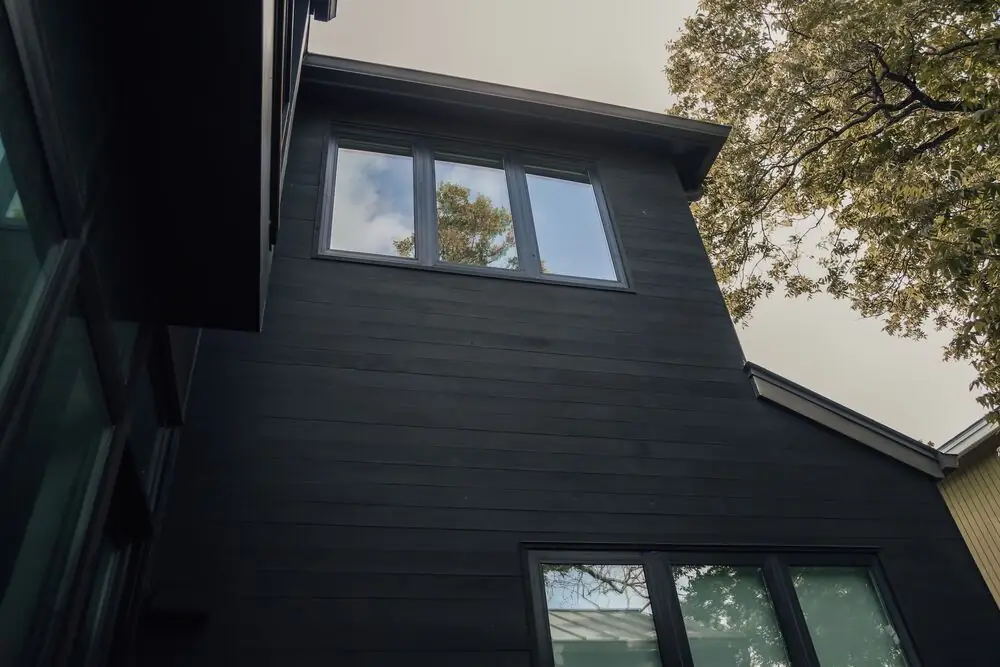
Are Energy-Efficient Renovations Worth It in Surrey, White Rock and Langley?
⏱ Estimated Reading Time: 8–9 minutes
Energy efficiency has moved from a niche concern to a mainstream renovation priority in Surrey, White Rock and Langley. Rising energy costs, a warming summer climate, and a broad provincial push toward cleaner, more efficient homes have all put energy upgrades near the top of the list for homeowners planning renovations in 2026.
But the honest question every homeowner asks is: are they actually worth it? Do these upgrades pay for themselves, or are they a feel-good expense that never quite recovers its cost? The answer depends on which upgrades you choose, how you value the benefits, and what your home starts with. Here's the clear-eyed version for our specific market and climate.
What "Energy-Efficient Renovation" Actually Means
Energy-efficient renovation is a broad term that covers any change reducing the energy your home uses to stay comfortable. In practice, for Surrey, White Rock and Langley homes, it centres on a handful of high-impact areas: heating and cooling systems, insulation, windows and doors, ventilation, and water heating.
These upgrades share a common logic. A home loses and gains heat through its envelope, the walls, roof, windows, and floors, and it uses energy to counteract that loss in winter and that gain in summer. Energy-efficient renovation reduces the losses and gains, so the home needs less energy to stay comfortable. The better the envelope and the more efficient the systems, the lower the ongoing cost of running the home.
The Upgrades That Deliver the Most in BC's Climate
Not every energy upgrade delivers equally, and the ones that matter most are shaped by our specific coastal climate: mild but wet and cool for much of the year, with increasingly warm summers.
Heat Pumps
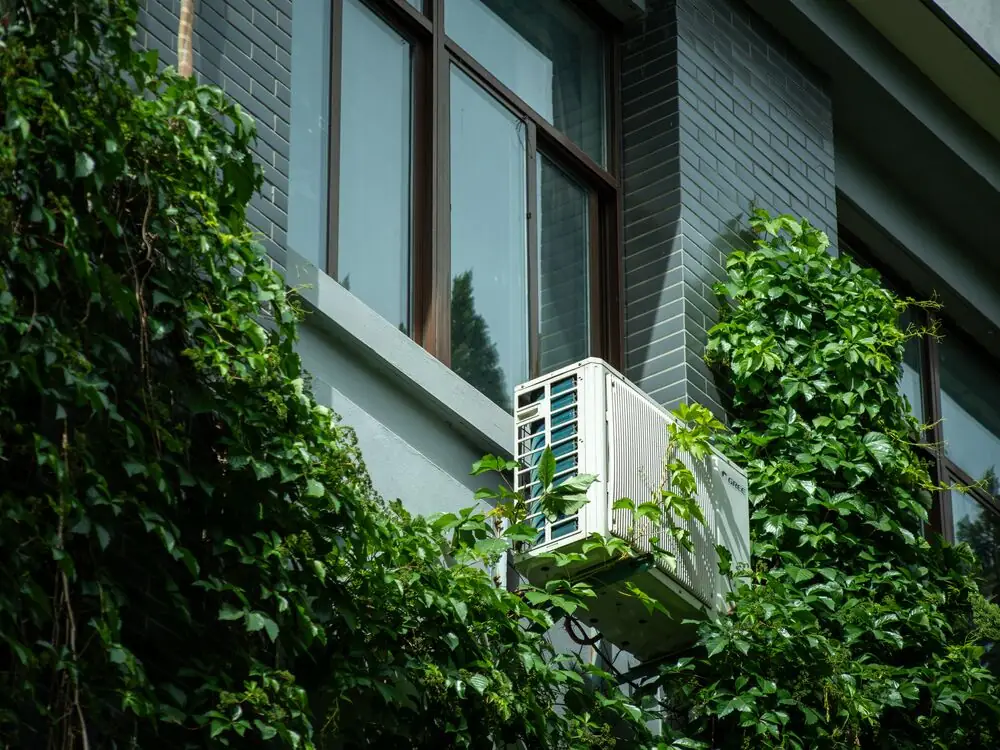
The single highest-impact energy upgrade for most Lower Mainland homes is a heat pump. Because it moves heat rather than generating it, a heat pump is dramatically more efficient than electric baseboards or an electric furnace, and it delivers both heating and cooling from one system. Our mild coastal winters are close to ideal for heat pump performance, and the summer air conditioning is an increasingly valued benefit as Lower Mainland summers warm. For a full look at how heat pumps work and why they suit our climate, see our guide to heat pumps for BC's coastal climate.
Insulation
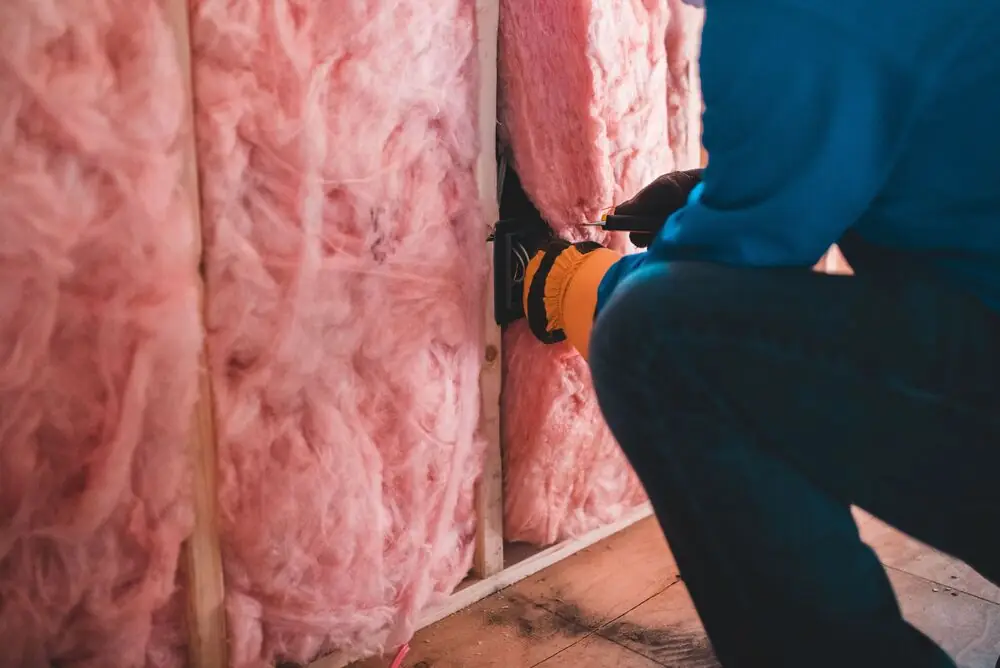
Insulation is the least glamorous energy upgrade and often the most cost-effective. Many older Surrey, White Rock and Langley homes, particularly those built before the 1990s, have insulation that falls well short of current standards. Improving attic, wall, and crawlspace insulation reduces heat loss in winter and heat gain in summer, and it makes every other system, including a new heat pump, work less hard. Because it's hidden and unglamorous, insulation is easy to skip, but in terms of dollars saved per dollar spent, it's frequently the best value in the entire energy-upgrade category.
Windows and Doors
Older single-pane or early double-pane windows are a significant source of heat loss and cold drafts in our climate. Upgrading to modern high-performance windows and properly sealed doors reduces energy use, eliminates the cold-glass discomfort that older windows create in a Lower Mainland winter, and cuts the condensation that BC's humidity produces on inefficient glazing. Windows are a larger investment than insulation, but they deliver a comfort improvement that's felt daily, not just seen on an energy bill.
Ventilation
This is the one most homeowners overlook. As homes are made more airtight and efficient, proper mechanical ventilation becomes more important, not less, because a tight home needs a deliberate way to exchange stale, humid indoor air for fresh outdoor air. In BC's damp climate, good ventilation is also central to managing moisture and preventing the mould problems our humidity encourages. An efficient ventilation system is part of a well-executed energy renovation, not an afterthought to it.
The Three Ways an Energy Upgrade Pays You Back
The "worth it" question gets clearer when you separate the three distinct forms of return, because homeowners who only count one of them often undervalue the upgrade.
Lower Operating Costs
The most direct return is a lower energy bill. A heat pump replacing baseboard heating, improved insulation, and better windows all reduce the ongoing cost of running your home, month after month, for as long as you own it. The exact savings depend on your home, your old system, and energy prices, but the direction is consistent and the return compounds over years of ownership.
Daily Comfort
The return that never shows up on a spreadsheet but is felt every single day is comfort. A home with a good envelope and an efficient system holds a steadier, more even temperature. No cold drafts near old windows, no cold-floor mornings, no rooms that never quite warm up. Add summer cooling from a heat pump, and the comfort improvement across the whole year is substantial. For many households, this daily quality-of-life improvement is worth as much as the energy savings, and it's the part that pure payback calculations miss entirely.
Resale Value and Buyer Appeal
Energy efficiency increasingly matters to buyers in the Surrey, White Rock and Langley market. A home with a heat pump, updated insulation, and efficient windows reads as well-maintained and lower-cost to run, which appeals to a growing segment of buyers who factor operating costs and comfort into their decision. For a broader look at which improvements deliver the strongest returns in our market, our guide to what renovations add the most value covers the comparative picture.
When Energy Upgrades Make the Clearest Sense
Where efficient renovation delivers the strongest return in BC homes

Energy-efficient renovation delivers the strongest case in a fewspecific situations. The more of these that apply to your home, the clearer the payoff.
When you're already renovating
With walls open for a kitchen or bathroom, adding insulation or upgrading electrical for a heat pump costs far less than a standalone project later. Coordinating the energy work with a renovation already happening is consistently the most cost-effective approach.
Case strengthStrongWhen your existing systems are aging
If your furnace or hot water tank is near the end of its life, replacing it with an efficient alternative rather than a like-for-like unit captures the efficiency gain at a moment you were going to spend the money anyway.
Case strengthStrongerWhen your home is genuinely inefficient
A 1970s or 1980s Surrey or Langley home with original windows, thin insulation, and electric baseboard heating has the most to gain. There is the most inefficiency to eliminate, and the worse the starting point, the better the return.
Case strengthStrongest
The takeaway:The best return comes when these overlap. An aging system in an inefficient older home, upgraded during a renovation that's already opening the walls, captures every advantage at once.
When to Be More Cautious
Energy upgrades aren't automatically worth it in every situation. A relatively new home built to modern standards has less inefficiency to eliminate, so the payback is slower. A home you plan to sell within a year may not recover a major energy investment before you move, though the buyer-appeal benefit still applies. And over-investing, spending on the most premium version of every upgrade in a home where the market won't reward it, follows the same neighbourhood-ceiling logic that applies to any renovation. Matching the scope to your home, your timeline, and your neighbourhood matters here as much as anywhere.
A Note on Rebates and Incentives
Energy-efficient upgrades are among the most heavily incentivized home improvements in BC, and rebates can meaningfully improve the payback on qualifying work, particularly heat pumps, insulation, windows, and ventilation. Because rebate amounts, eligibility, and deadlines change regularly, the reliable approach is to confirm what's currently available before finalizing your renovation scope.
Check BC's CleanBC Better Homes program at betterhomesbc.ca and your BC Hydro account for current incentives. These sources maintain up-to-date information, and confirming directly with them, rather than relying on a figure quoted somewhere that may be out of date, is the safest way to know what applies to your project. Factoring current rebates into the decision can shift an upgrade from "eventually worth it" to "worth it now."
Final Thoughts
For most Surrey, White Rock and Langley homeowners, energy-efficient renovations are worth it, provided you count all three returns rather than just the energy bill. The operating-cost savings are real and compound over years. The daily comfort improvement is substantial in our climate and felt year-round. And the resale appeal grows as more buyers factor efficiency into their decisions. The upgrades that deliver most in our climate are heat pumps, insulation, high-performance windows, and proper ventilation, and the best time to do them is during a renovation that's already happening or when an aging system needs replacing anyway. Confirm current rebate eligibility at betterhomesbc.ca before you commit, and match the scope to your home and how long you plan to stay.


