Enlarging Basement Windows: Surrey & Langley Guide
Bigger basement windows bring more light and safer bedrooms. See what’s involved, from foundation cutting to window wells and drainage, in Surrey and Langley.
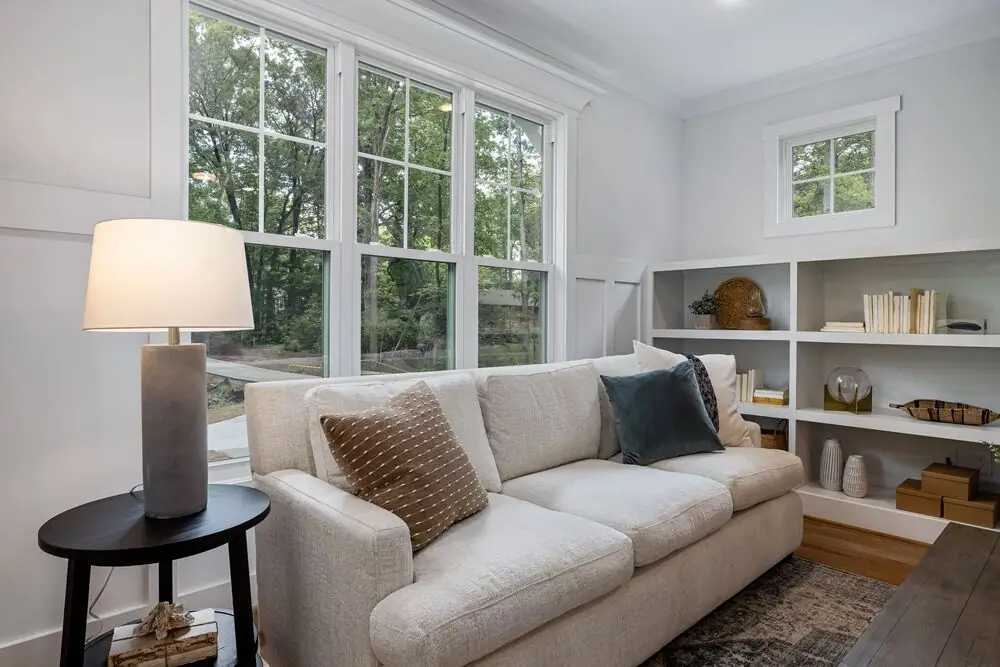
Enlarging Basement Windows in Surrey, White Rock and Langley Homes
⏱ Estimated Reading Time: 5–6 minutes
Small basement windows are one of the main reasons lower levels feel dark and closed in. Many older homes in Surrey, White Rock and Langley have narrow windows set high in the foundation wall, which let in little light and offer no practical way out in an emergency. Enlarging them can change how the whole basement feels, make bedrooms safer, and is often a key step in creating a legal suite. It’s also real structural work, involving the foundation, drainage, and a permit. Here’s what’s involved.
Why Enlarge Basement Windows
The first reason is light. A larger window brings far more daylight into a basement, making it feel like part of the home rather than a space below it. The second reason is safety. Bedrooms need a way out in an emergency, and the building code sets minimum opening sizes for bedroom windows so a person can escape and a firefighter can enter. Small, high basement windows often don’t meet those requirements, which means a basement room can’t legally be used as a bedroom until the window is enlarged. If you’re planning a suite, our guide to how to legalize a basement suite explains how this fits into the larger picture. Your municipality’s building department can confirm the current size requirements.
What the Work Involves
Enlarging a basement window means cutting a bigger opening in the concrete foundation wall. A professional concrete cutter uses specialized saws to cut the new opening cleanly. If the opening is being made wider, the concrete above it may need a new header or lintel to carry the load, and an engineer often specifies how that’s done. The new window is installed with proper flashing and sealing, and the interior is finished around it. Because it changes the structure of the foundation, the work requires a building permit.
Cutting Down vs Cutting Wider
There are two ways to make a window larger: cutting it deeper, toward the floor, or cutting it wider along the wall. Cutting deeper is common because it keeps the existing width and structure above while adding height for light and egress. But deeper windows usually sit below the level of the ground outside, which means they need a window well. Cutting wider adds light without going below grade but has a bigger effect on the structure, which is why a header is often needed. Your contractor and engineer can recommend the best approach for your wall.
Window Wells and Drainage
When a window sits partly below ground level, a window well holds back the soil around it and creates a clear space in front of the glass. Window wells can be made of galvanized steel, concrete, or composite materials, and some are terraced to let in more light or include steps for a safer exit. A well must be large enough for the window to open fully and for a person to climb out if it serves as an emergency exit.
Drainage is critical, especially in our wet climate. Rain and snowmelt will collect in the well, so it needs a drain at the bottom connected to the home’s perimeter drainage or a gravel bed that lets water drain away. A clear cover helps keep out rain, leaves, and debris while still letting light through, but it must be easy to open from inside if the window is an emergency exit. Poorly drained window wells are a common source of basement leaks, so this detail deserves attention. Our guide to preventing water damage in the wet season covers the broader drainage picture.
Choosing the Right Window
The type of window affects both light and how easily it opens. Casement windows, which crank outward, open fully and give the largest clear opening for their size, which makes them a strong choice for bedrooms. Sliding windows are simple and affordable but only open halfway, so they need to be larger to provide the same opening. Energy-efficient, double-glazed or triple-glazed windows help keep the basement warm and reduce condensation, which is a real concern on cool basement walls.
Finishing the Interior
How the opening is finished inside affects how much light reaches the room. Angling the sides and top of the opening outward, sometimes called a splayed return, spreads daylight further into the space. A deep sill can become a display shelf or window seat. Light-coloured walls and finishes around the window help reflect the light, making the most of every bit of daylight coming in.
Planning & Timing a Basement Window Enlargement
Getting the sequence right in Surrey, White Rock and Langley basements

Enlarging a basement window has aright time and sequence. Getting it in the correct order saves rework and keeps the finished space clean.
Do it before framing and drywall
Usually done as part of a larger basement renovation, before walls are framed and drywalled, so theinterior finishing can be planned around the new opening.
Schedule for dry weather
Because it involvesexcavating outside for the window well, the work is easiest and cleanest in dry conditions.
Coordinate with drainage work
Time it alongsideany other exterior drainage workso the excavation is only opened once.
Plan the opening first, finish around it.Fitting the window enlargement into the early, exterior phase of a basement renovation avoids tearing into finished walls later.
More ideasBasement renovation ideas: bringing the space to life →
Final Thoughts
Enlarging basement windows is one of the most effective ways to brighten a basement and make it safe for bedrooms in a Surrey, White Rock or Langley home. The work involves cutting the foundation, possibly adding a header, installing a well-drained window well, and choosing the right window, all under a building permit. Done properly, it can make a dark lower level feel like a bright, livable part of the home, and it’s often a key step toward a legal suite.


