Range Hood Ducted vs Ductless: Surrey & White Rock
Ducted or ductless range hood? Learn how each works, how to size one, and which suits your Surrey or White Rock kitchen, house or condo, before you buy.
Ducted vs Ductless Range Hoods for Surrey and White Rock Kitchens
⏱ Estimated Reading Time: 5–6 minutes
The range hood is one of the most overlooked decisions in a kitchen renovation. Homeowners spend weeks choosing cabinets and countertops, then pick a hood based on how it looks in the showroom. But a hood's real job is to clear smoke, grease, heat, and moisture out of your kitchen, and how well it does that depends mostly on one choice: whether it vents outside through a duct, or filters the air and recirculates it back into the room. Here's how ducted and ductless hoods compare, and which one makes sense for your Surrey or White Rock kitchen.
How a Ducted Range Hood Works
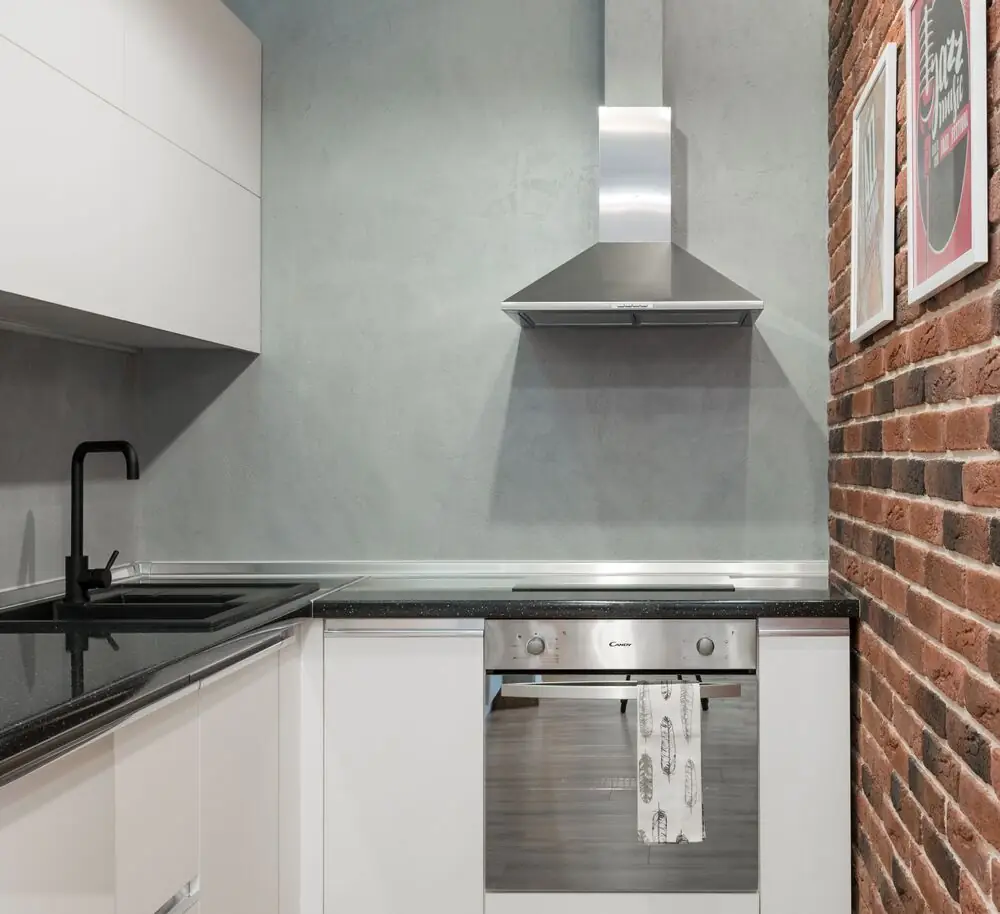
A ducted hood captures cooking air and pushes it through a duct to the outside of the house, usually through an exterior wall or the roof. Everything it captures leaves the home for good: smoke, grease, odours, heat, and moisture. That makes ducted hoods the most effective option by a wide margin, and they're the standard recommendation for anyone who cooks regularly, uses high heat, or cooks with gas.
The trade-off is installation. A ducted hood needs a clear, reasonably direct path to the exterior, and the duct needs to be sized correctly and run with as few bends as possible, since every elbow and every extra foot reduces performance. In a renovation, that path is often easy to create when walls and ceilings are already open, and much harder to add later.
How a Ductless Range Hood Works
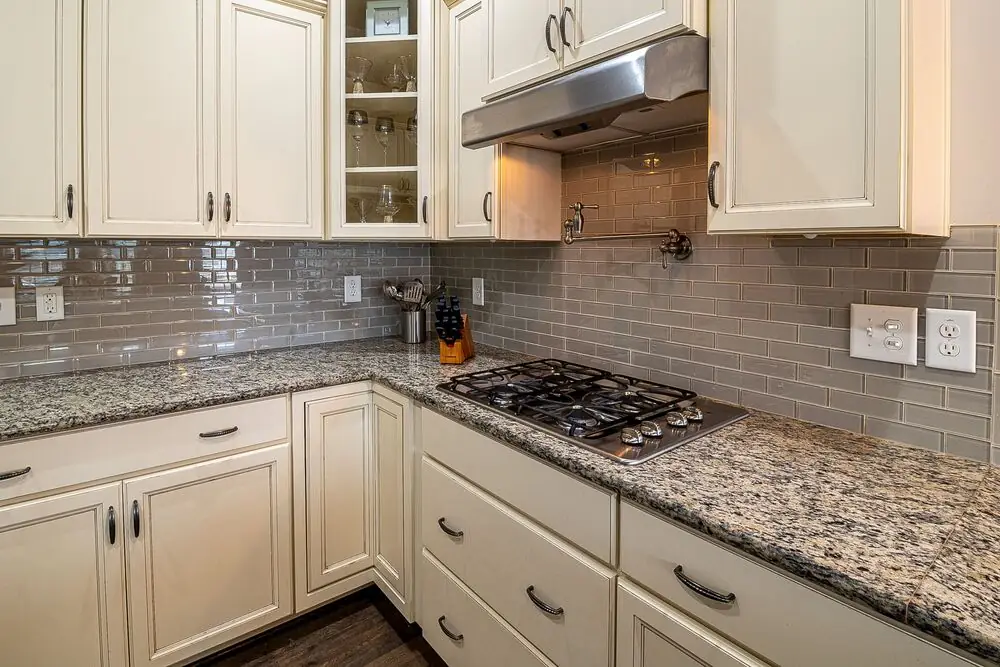
A ductless, or recirculating, hood pulls air through a grease filter and a charcoal filter, then blows it back into the kitchen. The grease filter catches grease particles and the charcoal filter absorbs some odours, but heat and moisture go right back into the room, and the charcoal filters need regular replacement to keep working.
Ductless hoods are simpler to install, since they only need power and a place to mount. They're the practical option when a duct to the exterior genuinely isn't possible, which is common in some condos and in kitchens where the range sits on an interior wall with no route outside. But they're a compromise, not an equal alternative, and they do noticeably less to protect your kitchen from grease buildup and your home from cooking moisture.
Why Venting Outside Matters in Our Climate
Moisture is the part of the equation people forget. Boiling, simmering, and steaming put a surprising amount of water vapour into the air, and in the Lower Mainland's damp months, that moisture has nowhere to go in a closed-up house. Over time it contributes to condensation on windows and the mould risk that BC homes are prone to. A ducted hood removes that moisture at the source, which a recirculating hood can't do. In newer, tighter homes with mechanical ventilation, the hood works alongside the whole-home system, and our guide to HRVs covers how that ventilation fits together.
Gas Cooking Makes the Case Stronger
If you cook with gas, a ducted hood moves from strongly recommended to close to essential. Gas burners produce combustion byproducts along with the usual cooking smoke and grease, and a recirculating filter doesn't remove those. Venting them outside is the only reliable way to keep them out of your home's air. Induction produces no combustion byproducts and puts less waste heat into the room, which makes it more forgiving of a lower-capacity hood, though ducted venting is still the better choice for grease and moisture. Our guide to gas vs induction cooktops covers that decision in detail.
How to Size a Range Hood
Hood capacity is measured in CFM, cubic feet per minute of air moved. Bigger isn't automatically better, and an oversized hood can be loud and may trigger additional requirements for bringing fresh make-up air into the house, which your contractor can confirm for your home and municipality. A few rules of thumb help:
The hood should be at least as wide as the cooktop, and ideally a few inches wider on each side, especially for island hoods, which have no walls to help contain rising air. Wall-mounted hoods capture more effectively than island hoods of the same capacity, so island installations typically need more power. For height, follow the manufacturer's guidance, which usually places the hood roughly 24 to 30 inches above the cooking surface. Too high and it misses the plume; too low and it gets in the way. If you're planning a cooktop on an island, our guide to kitchen island ideas covers how to plan the space around it.
Style Options for Both Types
Both ducted and ductless hoods come in every common style: wall-mount chimney hoods, island hoods, under-cabinet units, and hood inserts built into custom cabinetry or a plaster surround. Inserts in particular have become popular in integrated kitchens where the goal is to hide the appliance entirely, and our guide to panelled kitchen appliances covers that seamless look. The style you choose doesn't limit whether the hood can be ducted, as long as there's a route for the duct behind it.
Final Thoughts
For most Surrey and White Rock kitchens, a ducted range hood is the right choice. It removes smoke, grease, heat, and moisture completely, which matters for both air quality and the long-term health of a home in our damp climate, and it's close to essential for gas cooking. A ductless hood is a reasonable fallback when a route to the outside truly isn't available, such as in some condos, but it's a compromise. If you're renovating, plan the duct path while the walls are open, size the hood to your cooktop and layout, and the hood will quietly do its job for years.


