Prepare Your Home for BC's Wet Season: Checklist
Get your Surrey, White Rock or Langley home ready for BC's wet season. A renovation checklist covering waterproofing, ventilation, windows, and moisture control.
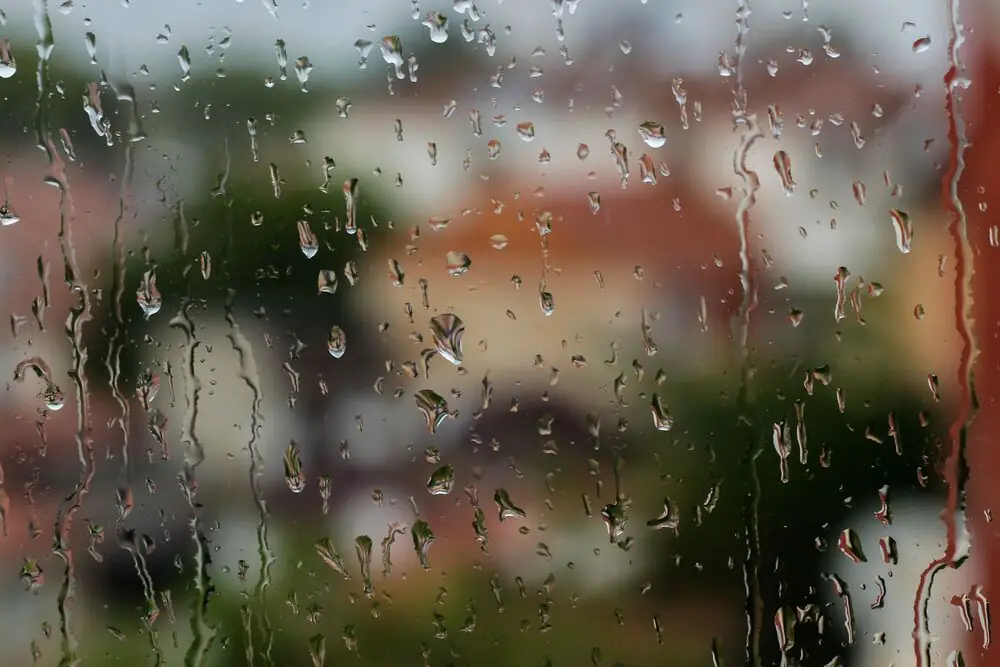
How to Prepare Your Home for BC's Wet Season: A Renovation Checklist for Surrey, White Rock and Langley
⏱ Estimated Reading Time: 8–9 minutes
Every year around this time, Lower Mainland homeowners get the same reminder: the dry summer is ending, and the long wet season is arriving. From October through April, Surrey, White Rock and Langley homes face months of rain, elevated humidity, and the moisture challenges that come with BC's coastal climate. The homes that handle it well are the ones that were prepared before the rain set in, not the ones scrambling to fix a problem in the middle of a January downpour.
Fall is the ideal window to address the moisture-critical parts of your home, while the weather still allows it and before the wettest months test everything. Here's a renovation and maintenance checklist to get your home ready.
Start With Waterproofing Where It Matters Most
Water intrusion is the single biggest threat BC's wet season poses to a home, and the places most vulnerable to it deserve attention first.
In the bathroom, the waterproofing membrane behind the tile is what protects your walls and subfloor from the moisture a shower generates daily, and that daily moisture load combines with the season's elevated humidity to make failures show up faster. If your shower tile is cracking, the grout is persistently discoloured, or you've noticed any softness or staining around the shower, these can be signs the waterproofing behind it is failing, and the wet season accelerates the damage. A bathroom renovation that replaces the waterproofing with a proper membrane system is the durable fix. For why waterproofing quality varies and what to look for, our guide to why waterproofing materials vary in price covers the systems that perform in our climate.
The same principle applies anywhere water meets your home's interior. Addressing waterproofing weaknesses in the fall means they're resolved before the season that would exploit them.
Get Your Ventilation Right Before the Humidity Climbs

If waterproofing keeps liquid water out, ventilation manages the moisture that builds up inside, and in BC's wet season, indoor humidity is a constant challenge. Every shower, every pot on the stove, every load of laundry, even breathing, adds moisture to the air, and from October through April that moisture has a hard time escaping a closed-up home. The result is condensation on windows, dampness in the air, and the mould and mildew our humidity encourages.
Two ventilation upgrades matter most heading into the wet season. A properly sized bathroom exhaust fan removes the acute moisture spike of a shower at the source, and many older Surrey and White Rock bathrooms have fans that are undersized, worn out, or vented improperly. For choosing the right one, our guide to the best bathroom exhaust fan covers what your climate needs. Beyond the bathroom, whole-home ventilation matters more as homes are sealed tighter for efficiency, since a tight home needs a deliberate way to exchange stale, humid air for fresh. Getting ventilation right in the fall means your home manages the season's humidity rather than fighting it.
Seal Windows and Doors Against Drafts and Water
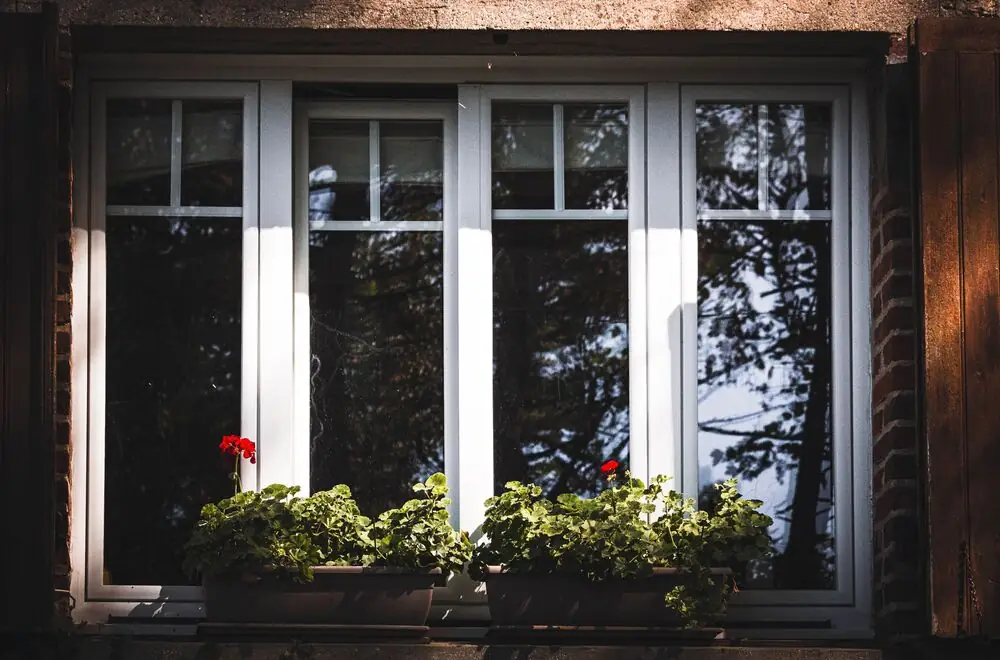
Windows and doors are where a surprising amount of the wet season's discomfort and cost enters a home. Older single-pane or early double-pane windows leak heat, let in cold drafts, and are prone to the condensation BC's humidity produces on inefficient glazing. Worn door seals let both cold air and, in driving rain, water find its way in.
Fall is the right time to address this. Upgrading aging windows to modern high-performance units, or at minimum resealing and weatherstripping windows and exterior doors, reduces heat loss, eliminates drafts, and cuts the condensation that leads to moisture problems around window frames. It's work that pays off immediately once the cold, wet months arrive, in both comfort and lower heating cost.
Check the Moisture-Prone Zones of Your Home
Beyond the major systems, a few specific areas of a home deserve a look before the wet season, because they're where moisture problems commonly begin.
Basements and crawlspaces are the most moisture-prone parts of many Surrey and Langley homes, sitting on or near grade where ground moisture is a constant. Signs of dampness, a musty smell, efflorescence on concrete, or visible moisture, are worth addressing before the wet season raises the water table and intensifies the problem. In older homes, this is also the time to be aware of aging plumbing, since a wet-season failure compounds the season's moisture challenge. For homes built in the relevant era, our guide to Poly-B pipe covers a common vulnerability worth knowing about.
Kitchens and bathrooms are the interior rooms that generate the most moisture, so their ventilation, waterproofing, and surfaces carry the heaviest load through the wet season. And anywhere you've noticed recurring condensation, dampness, or musty odours is worth investigating in the fall rather than living with through another wet winter.
Consider the Comfort Upgrades That Suit the Season
Preparing for the wet season isn't only about defence against moisture, it's also the right time to improve how comfortable your home is through the cold, dark months ahead.
Heating efficiency is worth addressing before the season you'll rely on it. If your heating system is aging or inefficient, fall is the natural time to upgrade, and a heat pump is particularly well-suited to our mild wet climate, delivering efficient heating through the winter and cooling in the increasingly warm summers. For how they perform in our specific climate, our guide to heat pumps for BC's coastal climate covers what to know.
Heated bathroom floors are another comfort upgrade that earns its keep exactly when the wet season arrives, turning a cold tile floor into a genuinely pleasant one from October through April. Added during a bathroom renovation, it's a modest cost for a daily comfort improvement felt all winter. For the details, our guide to heated bathroom floors covers how they work and what they cost.
Why Fall Is the Right Time for This Work
Moisture-critical renovation timing in Surrey, White Rock and Langley

There's a practical reason to act on moisture-critical workin the fall specificallyrather than putting it off.
Weather-independent
Interior work, waterproofing, ventilation, bathroom and kitchen updates proceed regardless of rain.
Better availability
Contractor availability improves after the summer exterior rush.
Done before winter
Moisture work finishes before the wettest, coldest months arrive.
Act in fall
Homeowners who address these things in September and October head into the wet season protected.
September – October
Wait and see
Those who wait often deal with a moisture problem at the worst possible time, mid-winter, in the season that caused it.
Mid-winter emergency
Final Thoughts
BC's wet season is predictable, it arrives every year, and it tests every home's ability to manage water and moisture. The homes that handle it best are the ones prepared in the fall: waterproofing addressed where it matters, ventilation ready for the humidity, windows and doors sealed against drafts and water, moisture-prone zones checked, and comfort upgrades in place for the cold months. Fall is the window to do this work, while the weather still cooperates and before the season arrives to exploit any weakness. A little preparation now is what separates a comfortable, dry winter from a season of moisture problems, and it's far easier and cheaper to prepare than to repair.


