Condo Air Conditioning Options: Surrey & White Rock
Can you add air conditioning to your condo? Compare ductless heat pumps and portable units, plus balcony, electrical and strata approval rules in Surrey.
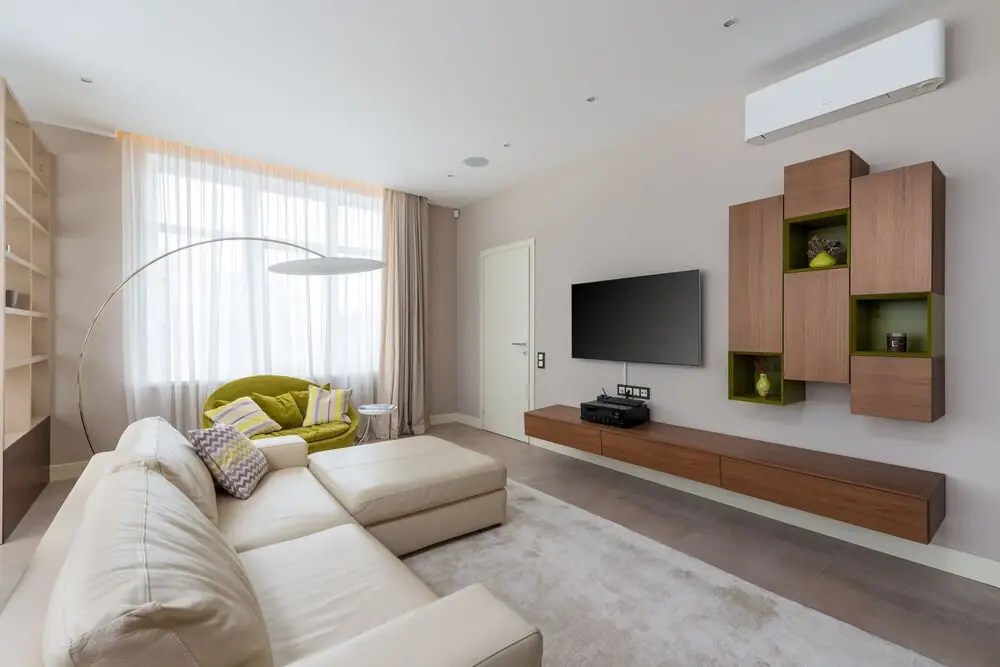
Adding Air Conditioning to a Condo in Surrey, White Rock and Langley
⏱ Estimated Reading Time: 5–6 minutes
Quick answer: The most effective way to cool a condo is a ductless heat pump (mini-split), with an outdoor unit on the balcony and a slim indoor unit on the wall, which also provides efficient heating in winter. Portable air conditioners need no installation but are louder and less efficient. In almost every building, strata approval is what decides which option you can use, because the outdoor unit, the wall opening and the electrical work all involve the building.
At a glance:
- Ductless heat pump: most effective and efficient, provides heating and cooling, needs strata approval
- Portable unit: no installation, vents through a window, louder and less efficient
- Existing building system: some newer towers have fan coils that already allow cooling
- Key approvals: outdoor unit location, wall penetration, electrical, condensate drainage
- Check first: strata bylaws and your unit’s electrical capacity
Lower Mainland summers have been getting hotter, and condos feel it more than most homes. Large windows, little cross-ventilation and upper floors that collect heat can make a unit uncomfortable for weeks at a time. Many Surrey and White Rock condo owners now want air conditioning, but a condo can’t simply add a system the way a house can. Here’s what your options are and what to check first.
Check What Your Building Already Has
Before planning anything, find out how your unit is heated and ventilated. Many older condos use electric baseboards and have no ductwork at all. Some newer towers use a fan coil or heat pump system that can already provide cooling, or can be upgraded to do so. A few buildings have a centralized system controlled by the strata. Your property manager, strata documents or building specifications will tell you what you’re working with, and the answer can make the job far simpler.
Option One: A Ductless Heat Pump
A ductless mini-split heat pump is the most popular and effective way to add cooling to a condo. An outdoor unit, usually placed on the balcony, connects to one or more slim wall-mounted indoor units through a small line set running through the exterior wall. It cools efficiently in summer and heats efficiently in winter, often reducing reliance on baseboard heaters. A single indoor unit can cool an open living area, and a multi-zone system can serve bedrooms too. Our guide to heat pumps explains how they perform in our climate.
Option Two: A Portable Air Conditioner
A portable unit sits on the floor and vents hot air through a hose connected to a window kit. It needs no permanent installation and is usually allowed in buildings that restrict anything else. The trade-offs are noise, efficiency and space. Portable units are noticeably louder than a mini-split, cool less effectively, and take up floor space in rooms that are often already small. For many owners, they’re a stopgap until a permanent system can be approved.
Where the Outdoor Unit Can Go
The outdoor unit of a heat pump is the part stratas care about most. Balconies are usually limited common property, so placing equipment there needs approval, and many stratas set rules about location, size, mounting, visibility from the street and noise levels near neighbours’ windows. Some buildings require units to sit on the floor of the balcony, others allow wall brackets, and some designate a specific location. Ask your strata for its rules before choosing equipment.
The Wall Opening
The line set and drain line need a small opening through the exterior wall. In a concrete tower, coring through concrete has to be done carefully, often with scanning first to avoid rebar and post-tension cables, and the strata may require an engineer’s review. In a wood-frame low-rise, the opening must be sealed properly to protect the building envelope from water. Either way, it’s a change to the building’s exterior, which is why approval is required. Our guides to renovating a concrete highrise condo and renovating a low-rise wood-frame condo cover how each building type affects this kind of work.
Electrical Capacity
A heat pump needs its own electrical circuit, and older condos sometimes have panels with little spare capacity. Have an electrician check your unit’s panel before you commit to a system. In some buildings, the strata also limits how much additional electrical load units can add, so this is worth confirming early.
Condensate Drainage
Air conditioners pull moisture out of the air, and that water has to go somewhere. Mini-splits produce condensate that needs to drain properly, either outside through the line set or into an approved drain, sometimes with a small pump. Water dripping onto a balcony below can lead to complaints from neighbours, so plan drainage as part of the installation.
Getting Strata Approval
Most stratas require a written request that describes the equipment, the outdoor unit location, how it will be mounted, the wall opening and who will do the work. They may ask for the unit’s noise rating, product specifications and proof of your contractor’s insurance and WorkSafeBC coverage. Some buildings have already approved a standard installation that owners can follow, which makes the process faster. Our guide to condo renovation in Surrey covers how strata approvals work more broadly.
Final Thoughts
Adding air conditioning to a Surrey or White Rock condo is very achievable, but the building sets the rules. Start by finding out what your unit already has, then check your strata’s bylaws and your electrical capacity. A ductless heat pump offers the best comfort and efficiency for both summer and winter, while a portable unit can bridge the gap if a permanent system isn’t possible yet. Plan the outdoor unit, wall opening and drainage carefully, get approval in writing, and your condo can stay comfortable through even the hottest summer.


