Condo Kitchen Appliances Guide | Surrey & White Rock
Renovating a condo kitchen? Learn how to choose compact appliances, venting options for range hoods, and what your strata allows in Surrey and White Rock.
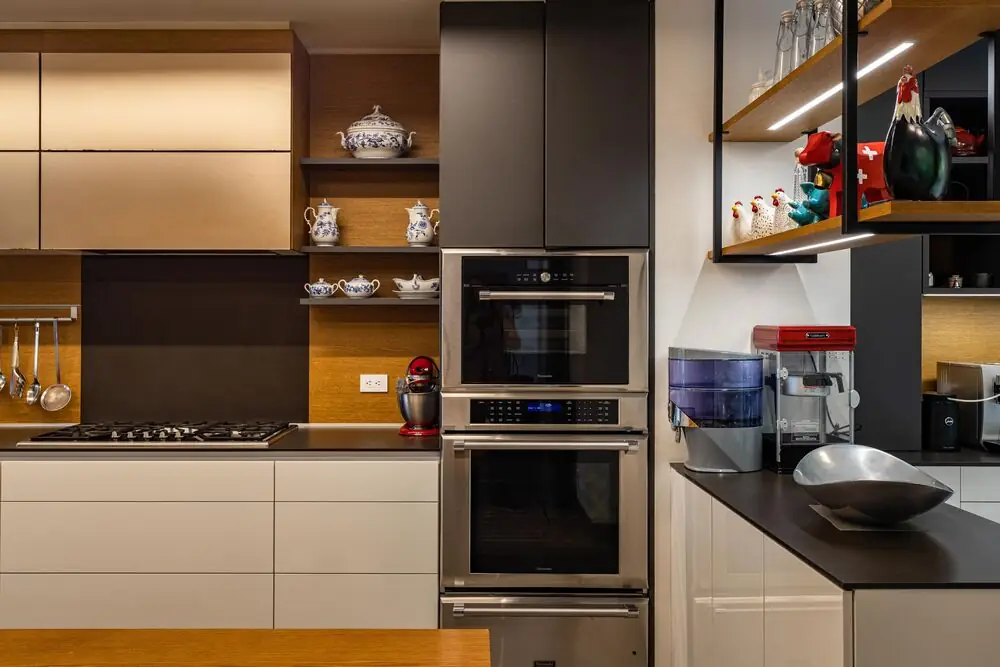
Condo Kitchen Appliances: Sizes, Venting and Strata Rules for Surrey, White Rock and Langley Condos
⏱ Estimated Reading Time: 5–6 minutes
Quick answer: Condo kitchens usually need appliances that fit tighter spaces, run on the building’s existing electrical and venting, and meet the strata’s rules. Many condos use 24-inch or 30-inch appliances, and range hoods often recirculate or connect to an existing duct rather than venting through a new opening. Before buying anything, check your strata bylaws, measure the delivery route and confirm your unit’s electrical capacity.
At a glance:
- Sizes: 24-inch fridges, ranges and dishwashers fit many condo kitchens
- Cooking: many condos are electric only, which makes induction a strong choice
- Venting: most hoods recirculate or use an existing duct, since new exterior openings are rarely allowed
- Leaks: dishwashers and fridge water lines carry the most water damage risk
- Always: check strata bylaws and book the elevator before delivery
Choosing appliances for a condo kitchen isn’t the same as choosing them for a house. Space is tighter, the building controls what you can change on the outside, and a leak or noise problem affects your neighbours as well as you. Picking the right appliances early makes the rest of the renovation easier to plan. Here’s what condo owners in Surrey, White Rock and Langley should know.
Start With Your Strata’s Rules
Your strata bylaws and any renovation guidelines come first. Many buildings set rules about gas lines, venting, water connections, renovation hours and how appliances are delivered. Some require approval before changing anything connected to common plumbing or electrical systems. Ask your property manager for the current rules before you shop, so you don’t choose an appliance the building won’t allow. Our guide to condo renovation mistakes covers the approval steps that most often get missed.
Compact and Standard Sizes
Many condo kitchens are designed around 24-inch appliances, which save space without giving up much function. A 24-inch fridge, range and dishwasher can free up enough room for an extra cabinet or more counter space. Larger condos often take standard 30-inch ranges and wider fridges. Measure the existing openings carefully, since replacing an appliance with a different size may mean changing the cabinets around it. Our guide to refrigerator sizes explains widths, depths and clearances in detail.
Induction, Electric or Gas
Many condo buildings don’t have gas to each unit, so the cooktop will be electric. Induction is a popular choice because it heats quickly, is easy to control and keeps the kitchen cooler than a standard electric element. It also produces less heat and fewer fumes than gas, which helps in a kitchen with limited venting. If your building does have gas, any changes to the gas line need strata approval and a licensed gas fitter. Our comparison of gas vs induction cooktops walks through the trade-offs.
Range Hood Venting in a Condo
Venting is one of the biggest differences between a condo and a house. Cutting a new opening through an exterior wall or concrete slab is rarely allowed, so most condo hoods either recirculate through a charcoal filter or connect to an existing duct. A recirculating hood cleans grease and some odour but doesn’t remove moisture or heat, so the filter needs regular replacement. If your unit already has a duct, a ducted hood sized to the existing opening is usually the better performer. Our guide to ducted vs ductless range hoods compares both.
Dishwashers and Water Lines
Dishwashers and fridges with ice makers or water dispensers are the most common sources of kitchen leaks in condos. A small leak can travel into the unit below and become an insurance claim. Use quality braided supply lines, install shut-off valves you can reach and consider a leak detector under the sink and behind the fridge. In very small kitchens, an 18-inch dishwasher can be a good fit where a standard 24-inch model won’t. Some strata buildings have specific requirements for water connections, so check before you install.
Noise and Your Neighbours
In a condo, appliance noise travels through floors and shared walls. Dishwashers, range hoods and laundry appliances are the usual sources. Look for appliances with low noise ratings, especially if you plan to run the dishwasher at night. Rubber feet, proper levelling and secure mounting also reduce vibration. Our guide to condo soundproofing covers other ways to limit noise between units.
Electrical Capacity
Condo units have their own electrical panel with a set capacity. Adding an induction cooktop, a wall oven or a larger appliance package may need new circuits, and in some cases the panel can’t support everything at once. A licensed electrician can check the load before you buy. Any electrical changes need a permit, and some strata buildings also want to be notified before work starts.
Built-In and Panel-Ready Options
Panel-ready dishwashers and fridges are a good fit for condos because they blend into the cabinetry and make a small kitchen feel larger and calmer. They need cabinets built around their exact dimensions, so choose the models before the cabinets are ordered. Our guides to panelled kitchen appliances and built-in vs freestanding appliances explain the options.
Delivery and Installation Day
Getting appliances into a condo takes planning. Most buildings require you to book the elevator and use protective pads, and some limit delivery to certain hours. Measure the elevator, hallways and doorways, and compare them with the boxed dimensions of each appliance. Coordinating delivery with your contractor’s schedule avoids appliances sitting in the way while the kitchen is still under construction.
Final Thoughts
The right appliances make a condo kitchen feel larger and work better. Start with your strata’s rules, choose sizes that fit the space, and plan around the building’s venting and electrical capacity. Protect against leaks, choose quiet models and plan the delivery route. Done early, it keeps your Surrey, White Rock or Langley condo kitchen renovation on schedule and free of surprises.


