Is Your Condo Ready for Winter? Surrey & White Rock
Is your Surrey or White Rock condo ready for winter? Learn the renovation and comfort upgrades that manage cold, drafts, and condensation in the wet season.
Is Your Condo Ready for Winter? Renovation and Comfort Upgrades for Surrey and White Rock
⏱ Estimated Reading Time: 7–8 minutes
Condos have a reputation for being easy to keep warm, and there's truth to it, a unit surrounded by other units on most sides loses less heat than a detached home exposed on all four. But that reputation leads some condo owners to assume winter comfort takes care of itself, and it doesn't. Surrey and White Rock condos face their own set of cold-season challenges, drafty older windows, condensation on concrete and glass, uneven heating, and a wet-season humidity problem that concrete construction can actually intensify.
As the wet, cold months arrive, here are the renovation and comfort upgrades that make a real difference to how a condo feels through the winter.
Windows: The Biggest Source of Winter Discomfort
In most condos, windows are where the cold gets in and the heat gets out. A condo's walls may be well-insulated by the surrounding units, but its windows are its direct exposure to the outside, and in older buildings those windows are frequently the weak point.
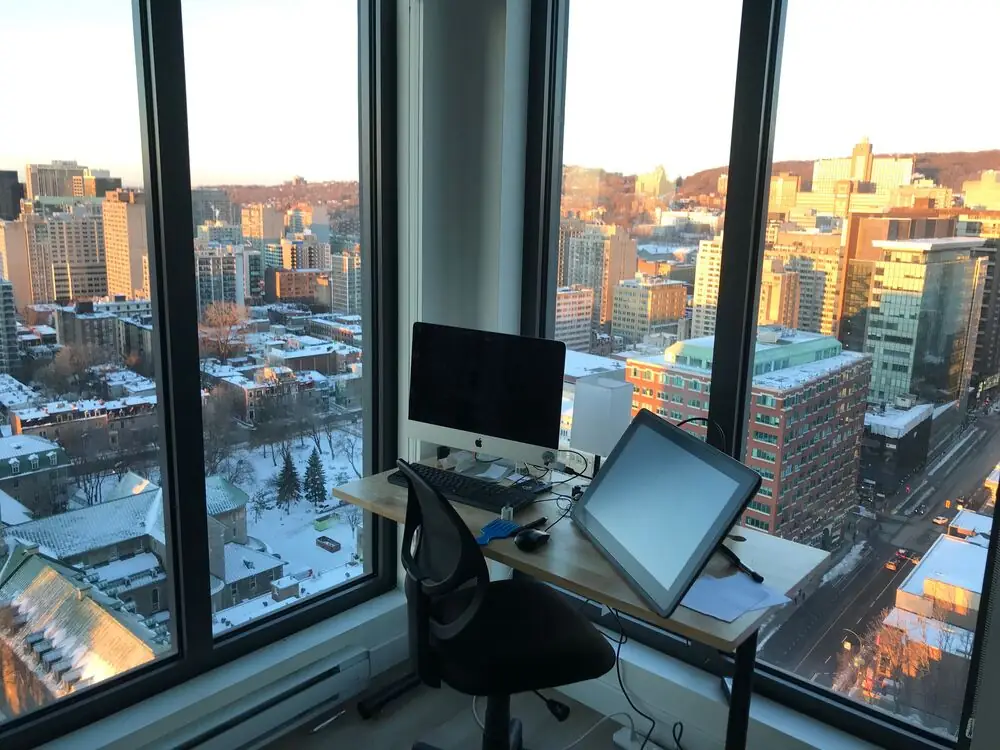
Aging single-pane or early double-pane windows leak heat, create cold drafts, and are prone to the condensation that BC's winter humidity produces on cold glass. In a highrise with large windows for the view, this is amplified, more glass means more heat loss and more cold-surface area for condensation to form. Where the strata permits window replacement (and in many buildings this is a strata or building-wide matter rather than an individual owner's choice, so it's worth confirming), upgrading to modern high-performance windows dramatically improves winter comfort. Where full replacement isn't possible, resealing and weatherstripping around the existing windows reduces drafts and helps.
Windows are usually the single biggest lever for winter comfort in a condo, so they're worth addressing first.
Condensation: The Wet-Season Problem Concrete Makes Worse

Condensation is the condo-specific winter issue that catches many owners off guard, and concrete construction is part of why. In a concrete highrise, the structural slab and any exposed concrete surfaces stay cold, and cold surfaces are exactly where humid indoor air condenses into water. Combine that with BC's high winter humidity and the moisture that everyday living generates, cooking, showering, laundry, breathing, and a condo can develop persistent condensation on windows, walls, and cold corners.
The fix is managing indoor humidity, and ventilation is central to it. A tight, well-sealed condo, and modern condos are built tight, needs a deliberate way to exchange humid indoor air for fresh, or the moisture simply accumulates. Ensuring the bathroom and kitchen exhaust ventilation is working properly is the baseline, and in a renovation, addressing whole-home ventilation is worth considering. Left unmanaged, winter condensation isn't just a nuisance, it's the moisture source that leads to mould in a concrete unit. For how the concrete structure shapes what's possible in a renovation, our guide to renovating a concrete highrise condo covers the constraints, and our guide to concrete ceiling vs drywall covers how an insulated drywall ceiling can reduce the cold-surface condensation an exposed slab produces.
Heating: Efficiency and Even Comfort
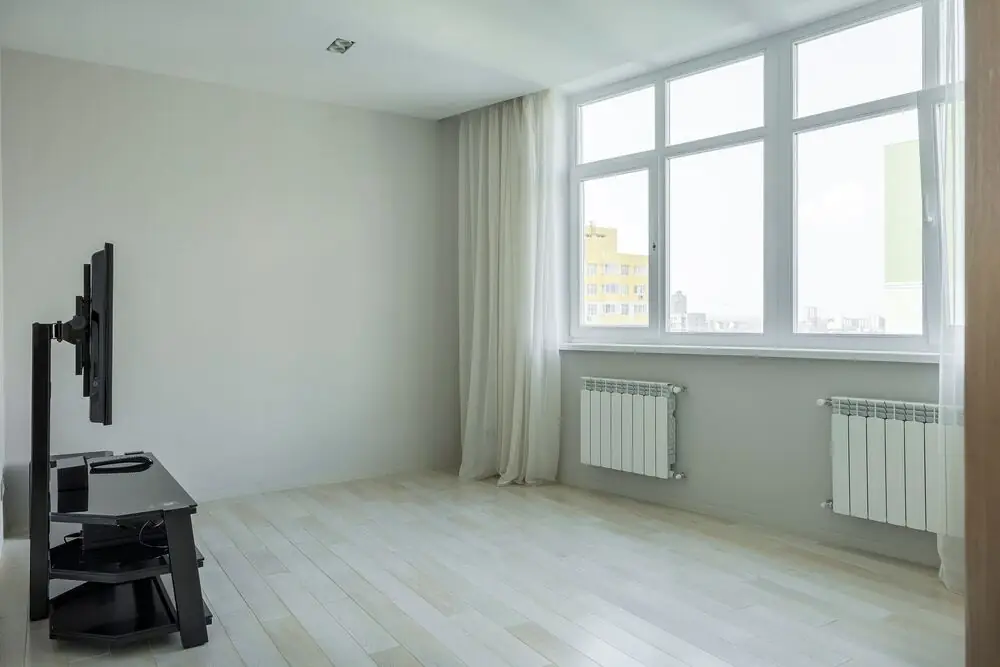
Many older Surrey and White Rock condos rely on electric baseboard heating, which works but is neither efficient nor especially comfortable, it heats unevenly, runs up the electricity bill through a long heating season, and offers no cooling for the increasingly warm summers.
Where the building and strata permit it, a ductless heat pump is a strong upgrade for a condo. It heats far more efficiently than baseboards, delivers more even comfort, and adds summer air conditioning, all from a single system with an indoor unit that mounts on the wall. Not every condo can accommodate one, it depends on the building, the strata's rules, and the feasibility of the outdoor unit placement, so it's a matter to confirm with your strata and a qualified installer. But for condos where it's feasible, it transforms both winter comfort and the year-round energy picture. For how heat pumps perform in our climate, our guide to heat pumps for BC's coastal climate covers what to know.
Even where a heat pump isn't an option, ensuring existing heating is working efficiently and supplementing it thoughtfully improves how the unit feels through the cold months.
Flooring: Warmth Underfoot in a Concrete Building
Concrete condos have cold floors, the slab holds the cold, and in winter a tile or bare floor over concrete is genuinely uncomfortable underfoot. This is a comfort issue many condo owners simply live with, not realizing a renovation can address it.
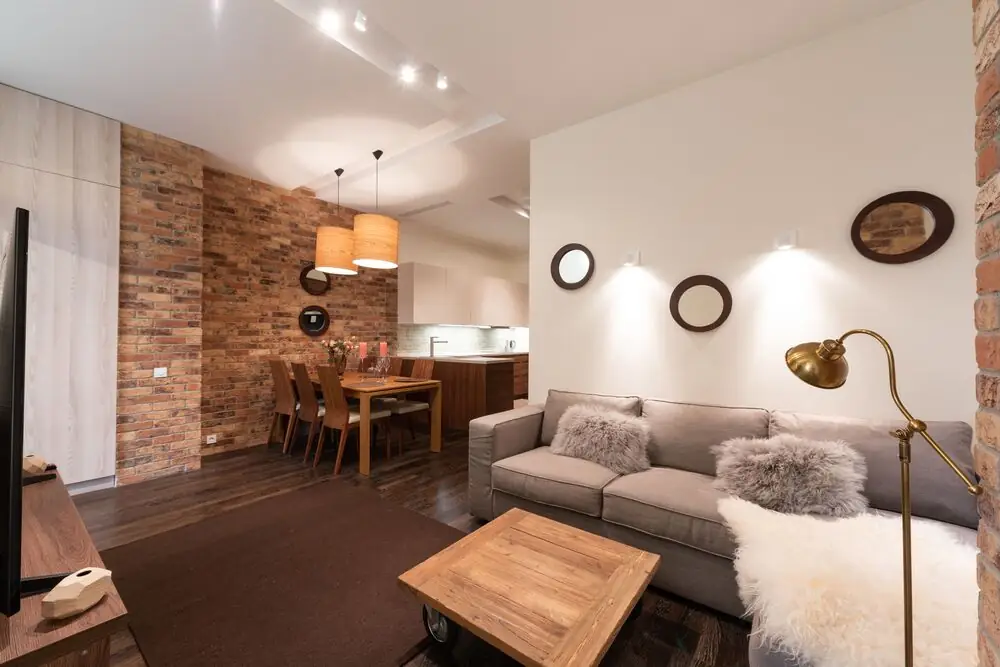
In a bathroom renovation, a heated floor over the tile turns the coldest surface in the unit into a warm one, particularly welcome in a concrete building where the slab keeps floors cold all winter. More broadly, quality flooring with appropriate underlayment, warm-toned luxury vinyl plank being a popular choice, feels warmer underfoot than bare tile over concrete and suits the acoustic underlayment most stratas require anyway. Choosing flooring with winter comfort in mind, rather than only appearance, makes a concrete condo noticeably more pleasant through the cold season.
Small Upgrades That Add Up
Beyond the major systems, a few smaller changes improve a condo's winter comfort.
Good lighting matters more in winter, when the Lower Mainland's short, grey days mean more time under artificial light. Layered, warm-toned lighting makes a condo feel warmer and more inviting through the dark months. Managing drafts around entry doors with weatherstripping is a small, inexpensive fix that reduces cold-air infiltration. And addressing any spots where cold or condensation has been a recurring winter problem, before the season rather than during it, means entering winter with the unit's comfort issues resolved.
Why Fall Is the Time to Do This Work
The reason to address condo winter-readiness now, in the fall, is the same reason that applies to any interior renovation: the work happens indoors, unaffected by the weather, and doing it before the cold, wet season means the improvements are in place when you need them rather than being wished for mid-winter. A condo renovation also involves strata approval and building logistics that take time to arrange, so starting the process in the fall positions the work to be done for the season. For how the condo renovation process and timeline work, our guide to the condo renovation timeline covers the full sequence.
Final Thoughts
A Surrey or White Rock condo isn't automatically ready for winter just because it's surrounded by other units. Its windows are its exposure to the cold, its concrete construction can intensify condensation, its heating is often inefficient electric baseboard, and its floors stay cold over the slab. Addressing these, upgrading or sealing windows, managing humidity through good ventilation, considering a heat pump where feasible, and warming the floors, is what makes a condo genuinely comfortable through the wet, cold months. Fall is the time to do this work, before the season arrives to expose the gaps. A condo prepared in the fall is a warm, dry, comfortable place to spend the winter, rather than one you're patching problems in through the coldest months.


